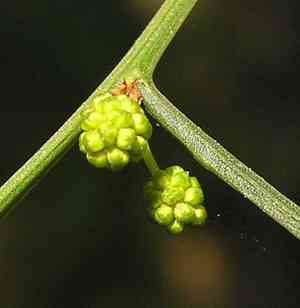
Early wattle (Acacia genistifolia)
Also known as: Spreading Wattle, Early Wattle
The Golden Wattle (Acacia pycnantha) is a hardy Australian native shrub that thrives in diverse soil types, including sandy and clay soils. Its slender, needle-like leaves help it conserve water, making it well-suited for arid conditions. In the spring, it produces striking yellow rod-shaped flowers that attract pollinators and bring a burst of color to the landscape. This resilience allows the Golden Wattle to flourish in various dry environments.
In This Article
Attributes of Early wattle
Lifespan
Perennial
Plant Type
Shrub
Plant Height
3 m
Spread
1.6 m
Leaf Color
Green to grey-green
Flower Size
About 1 centimeter (0.4 inches)
Flower Color
Bright yellow
Images of Early wattle
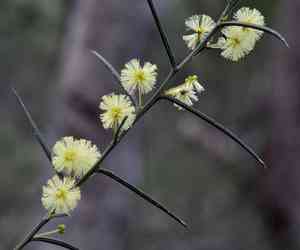
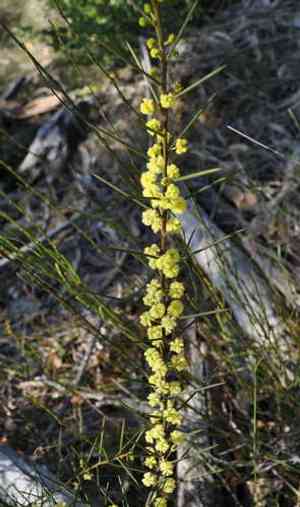
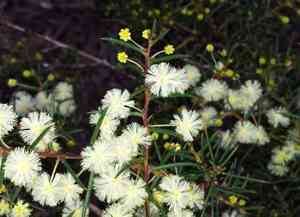
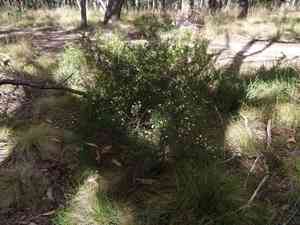
Quickly Identify Early wattle
1
This plant can be identified by its sharply pointed, narrow phyllodes (leaf-like structures) and its bright yellow, globular flower heads that appear in late winter to spring. The branches are typically covered in fine, soft hairs.
Scientific Classification of Early wattle
Phylum
Vascular plants
Class
Dicotyledons
Order
Fabales
Family
Legume
Genus
Acacias
Species
Early wattle
Planting and Growing of Early wattle
Care Difficulty
Moderate
Watering Schedule
Every 2 days
Sunlight Requirements
Full sun
Sunshine Duration
4-8 hours
Ideal Temperature
50-75℉
Soil Type
Potting Mix, Peat Mix
Soil pH
6.5-7.5
Fertilizer Type
Balanced
Pruning Season
Spring, Summer
Pruning Area
Branches, Leaves
Pruning Frequency
2 times a year
Repotting Season
Spring
Pot Type
Plastic, Terracotta
 How to Water Early wattle?
Acacia genistifolia, also known as the 'Early Wattle,' prefers a modest amount of water. Water thoroughly until the soil feels moist but ensure not to create waterlogging conditions. Use approximately 250 milliliters each time, ensuring the soil has good drainage to avoid root rot.
What are the symptoms of an underwatered Early wattle?
›
What should I do if my Early wattle is not getting enough water?
›
What are the symptoms of an overwatered Early wattle?
›
How to save an overwatered Early wattle?
›
 What Are the Sunlight Requirements for Early wattle?
Acacia genistifolia ideally needs full sun to partial sun, benefiting from six to eight hours of sunlight daily, fostering stronger growth and floriferousness.
What is the best light condition for Acacia genistifolia?
›
How to ensure ideal lighting for Acacia genistifolia?
›
Benefits of ideal lighting for Acacia genistifolia?
›
 What Is the Ideal Temperature Range for Early wattle?
The ideal temperature for Acacia genistifolia is between 50°F and 75°F. This range provides optimal conditions for growth and metabolism, supporting the plant's physiological processes like photosynthesis and respiration. Acacia genistifolia thrives in a relatively stable environment where both day and night temperatures fall within this range, minimizing stress and encouraging healthy development.
 What Soil is Best for Early wattle?
Acacia genistifolia thrives best in well-drained soil because it prevents waterlogging. Good drainage ensures that the roots do not rot and receive the necessary oxygen, thus promoting vigorous growth. While not overly demanding, Acacia genistifolia benefits from nutrient-rich soil, which provides the essential minerals and nutrients required for its healthy development, leading to lush foliage and robust flowering. Though drought-tolerant, moderately moist soil during dry months can enhance the plant’s resilience, especially in hotter climates, ensuring it maintains its vigor and lush appearance.
 How to Fertilize Early wattle?
For Acacia genistifolia, when using liquid fertilizer, dilute it to half the recommended strength and apply around 100 ml per plant. Ensure the soil is moist before application to prevent root burn. With slow-release fertilizer, use approximately 50 grams per plant, distributed evenly in the soil.
 How to Prune Early wattle?
Examine the plant first to identify branches that are dead, diseased, or damaged. Mark these branches for removal to help focus your pruning efforts. Start by removing any dead or diseased branches using sharp pruning tools. These branches can be cut back to the base or a healthy point on the shrub. Inspect for overly crowded areas where branches may be competing for light and space. Thin these sections to enhance air circulation and light penetration. Prune for shape by cutting branches just above a node or outward-facing bud. This helps to create an attractive and balanced form, encouraging outward growth.
More About Pruning Techniques→
 How to Propagate Early wattle plant?
1
Gently scarify the seeds of Acacia genistifolia by rubbing them with sandpaper or a knife to break the tough outer coat, which helps water absorption and encourages germination.
2
Place the seeds evenly in a seed tray filled with sterile soil, covering lightly. Ensure the seeds are not too deep, as this can hinder germination. Water the soil gently until it's moist.
3
Place the seed tray in a warm, well-lit area, but avoid direct sunlight that may dry out the soil quickly. A temperature between 18-22°C (64-72°F) is ideal for germination.
 How to Repot Early wattle plant?
1
Look for signals such as roots growing out of the drainage holes, slow growth, or the soil drying out very quickly. These are indicators that Acacia genistifolia needs a larger pot to thrive.
2
Choose a pot that is 1-2 inches larger in diameter than the current one. Ensure it has adequate drainage holes to prevent waterlogging, which is essential for avoiding root rot and ensuring plant health.
3
Opt for a well-draining sandy soil mix that mimics Acacia genistifolia's natural habitat. This type of soil helps prevent water retention, promoting a healthy root system and preventing diseases.
Learn More About Early wattle Diseases
Anthracnose
Bacterial Leaf Spot
Crown Gall
Cyst Nematode
Damping-off
Downy Mildew
Drought Stress
Fusarium Wilt
Gray Mold
Leaf Spot
Mosaic
Nutrient Deficiency
Nutrient Toxicity
Powdery Mildew
Root Rot
Root-knot Nematode
Rusts
Sooty Mold
Spider Mites
Temperature Stress
Thrips Damage
White Mold
Chemical Injury



