How to Prune Mulga?
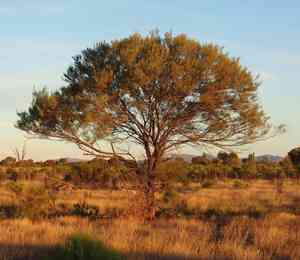
Mulga, a hardy shrub featuring delicate, silvery-green leaves and bright yellow blossoms, flourishes when correctly trimmed. Perform mulga pruning in the latter part of winter or early spring to encourage vigorous development and blooming. Concentrate on excising deceased or compromised branches and thinning to improve air movement. Consistent trimming aids in preserving its form and vitality, deterring elongated growth. Employ sanitized, keen implements to lessen the chance of illness. This method fosters a sturdy, visually appealing specimen.
What Are the Benefits of Pruning Mulga?
What Are the Benefits of Pruning Mulga?
Trimming mulga promotes vigorous development and maintains its form. Eliminating dead or weakened limbs fosters healthier growth and improves the plant's structure. Consistent pruning also deters pest infestations and diseases, ensuring the plant thrives and retains its visual appeal.
What Is the Best Time for Pruning Mulga?
What Is the Best Time for Pruning Mulga?
Pruning mulga in early spring or late winter is ideal as it coincides with the end of the plant's dormant phase. This timing allows the plant to recover quickly from cuts as it enters a period of rapid growth. Additionally, these seasons avoid mulga's blooming period, preserving its natural reproductive cycle and reducing stress. Pruning at these times also aids in shaping the plant and encouraging robust, healthy growth throughout the year.
What Tools Do I Need to Prune Mulga?
Hand Pruners
Suitable for removing smaller branches and deadwood up to ¾ inch in diameter. Essential for detailed trimming and shaping.
Loppers
Ideal for cutting branches between ¾ inch to 1½ inches in diameter. Provides leverage for thicker branches.
Pruning Saw
Necessary for larger branches over 1½ inches in diameter. Ensures clean cuts with minimal damage to the plant.
Bypass Loppers
These offer clean cuts without crushing the branches, useful for maintaining healthy growth.
Pole Pruner
Allows safe pruning of higher branches without the need for a ladder, essential for mature specimens.
How to Prune Mulga
Inspect
Examine mulga for any dead or diseased branches. Identify the areas that require pruning by looking for signs such as discoloration, lack of leaves, or damage.
Tools
Prepare your pruning tools, ensuring they are clean and sharp. This will make the cuts cleaner and reduce the risk of spreading diseases.
Remove Dead Branches
Begin pruning by carefully removing dead branches. Make cuts at a slight angle, just above a healthy node or back to the branch collar to facilitate proper healing.
Remove Diseased Branches
Next, focus on the diseased branches. Cut well below the infected area to ensure all diseased tissue is removed. Disinfect your tools between cuts to prevent further spread of disease.
Dispose and Maintain
Dispose of the pruned material by bagging and discarding it away from mulga. Regularly inspect and maintain mulga to keep it healthy and encourage optimal growth. Prune as necessary for structure and health.
Common Pruning Mistakes with Mulga
Over-pruning
Removing too many branches at once can stress mulga, compromising its growth and overall health.
Incorrect cuts
Making improper cuts, such as cutting too close to the trunk or leaving stubs, can lead to disease and pest infestation.
Pruning too early
Pruning immature plants before they are established can hinder proper development and flowering.
Neglecting deadwood
Failing to remove dead or diseased branches can spread issues to healthy parts of mulga.
Unbalanced pruning
Uneven pruning can lead to structurally weak plants that are more susceptible to wind damage.
Common Pruning Tips for Mulga
Use sharp tools
Always use clean, sharp pruning shears or saws to make clean cuts and minimize plant damage.
Thin the canopy
Focus on thinning out the canopy to improve air circulation and light penetration, which encourages healthy growth.
Remove deadwood
Regularly remove dead, damaged, or diseased branches to maintain the plant's health and prevent potential problems.
Cut at the nodes
Make pruning cuts just above a node (where leaves or branches join the stem) to promote better healing and regrowth.
Shape for balance
Aim to create a balanced shape when pruning to ensure the plant develops strong, well-distributed branches.



