How to Prune Anglestem indian mallow?
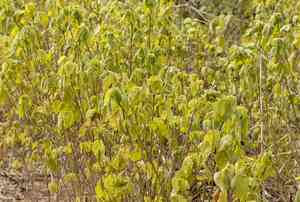
Anglestem indian mallow is distinguished by its angular stalks and vibrant blossoms. Perform trimming in early spring prior to the emergence of new shoots. Eliminate any deceased or compromised limbs and reduce dense sections to enhance air movement. This fosters robust development and boosts floral production. Periodically trim to preserve its form and dimensions. Regular cutting stimulates abundant flowering and aids in managing the plant's expansion, resulting in a more appealing and controllable garden element.
What Are the Benefits of Pruning Anglestem Indian Mallow?
What Are the Benefits of Pruning Anglestem Indian Mallow?
Trimming anglestem indian mallow helps manage its size, maintains a desired form, and encourages robust development. Regular trimming eliminates dead or diseased branches, aiding in resistance to pests and illnesses. This boosts blooming, leading to a healthier and more attractive plant.
What Is the Best Time for Pruning Anglestem Indian Mallow?
What Is the Best Time for Pruning Anglestem Indian Mallow?
Trimming anglestem indian mallow in early spring is optimal as it aligns with the plant's natural growth cycle. During this period, the plant is emerging from dormancy, and pruning stimulates new growth and helps shape the plant before the active growing season. Additionally, early spring pruning minimizes the risk of disease transmission, and the plant's wounds have ample time to heal before the onset of the more intensive growth period.
What Tools Do I Need to Prune Anglestem Indian Mallow?
Hand Pruners
Crucial for making clean cuts on small to medium branches of anglestem indian mallow. Hand pruners are easy to handle and perfect for precise trimming, ensuring minimal harm and fostering healthy development.
Loppers
Perfect for cutting thicker branches of anglestem indian mallow that hand pruners cannot manage. The longer handles provide leverage and extend reach, making it easier to prune without splintering the wood.
Pruning Saw
Required for removing larger branches or when loppers are insufficient. A pruning saw ensures clean cuts on dense wood, reducing the risk of damage to anglestem indian mallow.
Bypass Pruners
Recommended for delicate cuts on green, living wood of anglestem indian mallow. Bypass pruners provide a cleaner cut, which is vital for the plantâs recovery and overall health.
Hedge Shears
Useful for shaping and maintaining the overall form of anglestem indian mallow. Hedge shears allow for even and controlled trimming over larger areas.
How to Prune Anglestem Indian Mallow
Remove Diseased Leaves
Examine anglestem indian mallow thoroughly for any diseased foliage. Use sterilized pruning shears to cut these leaves off at the base, ensuring not to harm healthy parts of the plant. Dispose of diseased leaves away from the garden to prevent the spread of disease.
Remove Withered Leaves
Check anglestem indian mallow for any withered or dead leaves. Trim these leaves off close to their point of origin, making sure to use clean, sharp tools to avoid creating jagged edges, which can lead to infection.
Cut Dead Branches
Identify and remove any dead branches from anglestem indian mallow. Cut these branches back to the nearest healthy part of the stem and ensure cuts are clean and angled to promote water runoff, reducing the risk of disease.
Remove Diseased Branches
Locate any branches of anglestem indian mallow that show signs of disease. Prune these branches several inches below the affected area to ensure all disease is removed. Sterilize pruning tools between cuts to prevent cross-contamination.
Clean and Disinfect
After completing the pruning, thoroughly clean and disinfect all pruning tools to prevent the spread of disease to other parts of the plant or to other plants in the garden.
Common Pruning Mistakes with Anglestem Indian Mallow
Incorrect technique
Using dull or dirty tools can cause ragged cuts, which may lead to infections or poor healing. Always ensure your pruning shears are sharp and sterilized.
Over-pruning
Removing too much of the plant at once can stress anglestem indian mallow. Itâs crucial to avoid cutting more than one-third of the plantâs total growth to maintain its health and vigor.
Improper cutting angles
Making flat or uneven cuts can damage the plant. Always prune at a 45-degree angle to facilitate proper healing and water runoff.
Ignoring dead or diseased wood
Leaving dead or diseased wood on anglestem indian mallow can spread pathogens and pests. Make sure to remove any unhealthy parts promptly to promote overall plant health.
Common Pruning Tips for Anglestem Indian Mallow
Use clean tools
Always use clean, sharp tools to make precise and clean cuts. Sterilize your tools before and after pruning to prevent the spread of disease.
Assess the plant
Take time to evaluate anglestem indian mallow's structure and identify any dead, damaged, or crossing branches. This will help you decide where to start and what to remove.
Cut above nodes
Make cuts just above a node or a leaf bud, as this encourages new growth in desirable directions.
Thin out densely crowded areas
Remove branches that are overly crowded to improve air circulation and sunlight penetration, which helps prevent disease and promotes more robust growth.
Step back and review
Periodically step back and assess your work to ensure you are maintaining the plantâs natural shape and not over-pruning. Itâs easy to lose perspective when up close to the plant.



