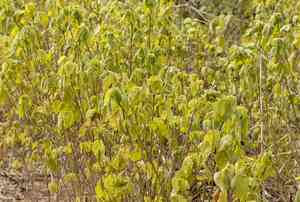
Anglestem indian mallow (Abutilon trisulcatum)
Also known as: Three-lobed Chinese Lantern, Flowering Maple
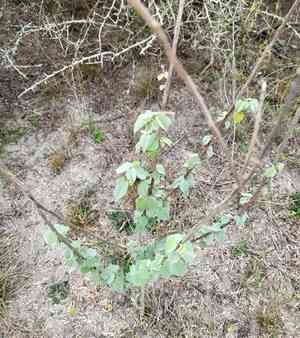
The Anglestem Indian Mallow (Abutilon angulatum) features uniquely angled stems and heart-shaped, serrated leaves. Its flowers, which range from yellow to orange, have a lantern-like appearance, adding visual interest. This perennial shrub adapts to various environments, flourishing in both full sun and partial shade, and prefers well-drained soil. Its vibrant blooms and distinctive foliage make it a favorite in ornamental gardens, where it attracts pollinators and adds a bright touch of color.
In This Article
Attributes of Anglestem indian mallow
Lifespan
Perennial
Plant Type
Shrub
Plant Height
91 cm to 1.8 m
Spread
It has a relatively narrow crown spread compared to its height, approximately 1-1.5 meters.
Leaf Color
Green
Flower Size
Approximately 3-5 cm
Flower Color
Yellow with red veins
Images of Anglestem indian mallow
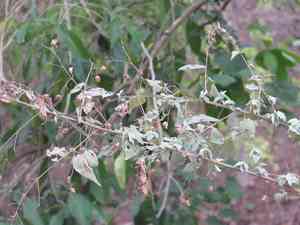
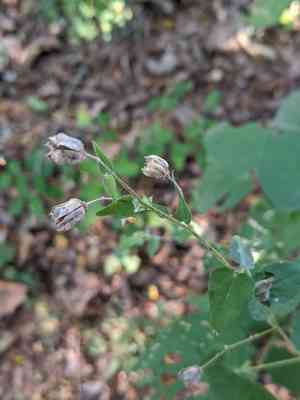
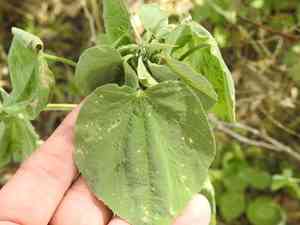
Quickly Identify Anglestem indian mallow
1
To identify Abutilon trisulcatum, look for the distinctive three-lobed leaves and bell-shaped flowers that typically have five petals. The plant often has a shrub-like appearance with a moderately tall height.
Scientific Classification of Anglestem indian mallow
Phylum
Vascular plants
Class
Dicotyledons
Order
Malvales
Family
Mallow
Genus
Indian mallows
Species
Anglestem indian mallow
Planting and Growing of Anglestem indian mallow
Care Difficulty
Moderate
Watering Schedule
Every 3 days
Sunlight Requirements
Partial sun
Sunshine Duration
6-10 hours
Ideal Temperature
65-75℉
Soil Type
Potting Mix, Peat Mix
Soil pH
6.5-7.5
Fertilizer Type
Balanced
Pruning Season
Spring, Summer
Pruning Area
Branches, Leaves
Pruning Frequency
2 times a year
Repotting Season
Spring
Pot Type
Terracotta, Plastic
 How to Water Anglestem indian mallow?
The Abutilon trisulcatum requires a thoughtful approach to watering. Ensure a sufficient depth of water, about 500 ml each time, to allow the soil to be moist but not waterlogged. Water thoroughly until moisture trickles from the pot's drainage holes, ensuring deep root access.
What are the symptoms of an underwatered Anglestem indian mallow?
›
What should I do if my Anglestem indian mallow is not getting enough water?
›
What are the symptoms of an overwatered Anglestem indian mallow?
›
How to save an overwatered Anglestem indian mallow?
›
 What Are the Sunlight Requirements for Anglestem indian mallow?
Abutilon trisulcatum thrives in partial to full sun, enjoying 4 to 6 hours of sun daily. Ideal light conditions promote healthy growth, vibrant blooms, and overall plant vitality, preventing both overexposure and under-lighting-related issues.
What is the best location for Abutilon trisulcatum?
›
How can I adjust light levels for this plant?
›
What are the benefits of ideal light conditions?
›
 What Is the Ideal Temperature Range for Anglestem indian mallow?
The ideal temperature range for growing Abutilon trisulcatum is between 65°F and 75°F. Maintaining temperatures within this range ensures optimal growth and health, as it mimics their natural habitat conditions. Consistent warmth helps in steady leaf production and vibrant blooms.
 What Soil is Best for Anglestem indian mallow?
Abutilon trisulcatum thrives in well-drained soil conditions. It prevents waterlogging which can lead to root rot, ensuring the plant remains healthy and vibrant. Good drainage facilitates better root growth and nutrient absorption, thereby supporting the plant's overall development and flowering. This plant prefers soil that is rich in organic matter. Nutrient-rich soil ensures the plant has access to essential minerals and elements required for vibrant foliage and productive blooming. Regular amendments with compost or organic fertilizers can significantly enhance soil fertility. Abutilon trisulcatum benefits from soil that retains moderate moisture without becoming soggy. This balance allows for consistent moisture availability which is crucial during dry spells, reducing plant stress and promoting healthy growth.
 How to Fertilize Anglestem indian mallow?
For Abutilon trisulcatum, it's important to apply the right amount of fertilizer to maintain its health. Typically, during the growing season, use a balanced liquid fertilizer diluted to half strength. For solid fertilizers, a light application should suffice, avoiding direct contact with roots.
 How to Prune Anglestem indian mallow?
Begin by sterilizing your pruning tools to prevent disease. Identify and remove any dead or damaged branches at the base. Trim back overgrown branches to maintain the plant's shape, cutting just above a leaf node. Regular pinching of the plant's tips encourages bushier growth. Always remove any wilted flowers to promote continuous blooming throughout the season.
More About Pruning Techniques→
 How to Propagate Anglestem indian mallow plant?
1
To propagate Abutilon trisulcatum via seeds, collect mature seeds from the pods when they have dried on the plant. The seeds should be plump and dark, indicating readiness for sowing. Store collected seeds in a cool and dry place until you are ready to begin sowing.
2
For cutting propagation, choose a healthy mother plant. Cut a 4- to 6-inch-long stem from the plant using sterilized pruning shears. The cutting should be taken just below a node, as this part will develop roots most readily.
3
For seeds, fill the seed tray with a soil mix rich in peat and perlite. Sow the seeds on top, covering lightly with soil. Water gently. For cuttings, dip the cut end in rooting hormone and plant in a well-draining soil mix. Keep both seeds and cuttings in a warm, humid environment.
 How to Repot Anglestem indian mallow plant?
1
Look for signs like roots emerging from drainage holes or stunted growth. This indicates that Abutilon trisulcatum has outgrown its pot and requires repotting. Spring is ideal for this task, as the plant transitions from dormancy to a vigorous growing phase.
2
Select a pot that is one size larger than the current one to allow room for root expansion. Ensure it has drainage holes to prevent waterlogging, aiding in healthy root development and thus fostering a robust plant structure.
3
Opt for a well-draining potting mix, enriched with organic matter to provide nutrients while ensuring excess water is easily expelled. This soil condition is crucial in avoiding root rot and promoting healthy plant growth.
Learn More About Anglestem indian mallow Diseases
Anthracnose
Bacterial Leaf Spot
Bacterial Wilt
Crown Gall
Damping-off
Downy Mildew
Drought Stress
Fusarium Wilt
Gray Mold
Leaf Curl
Leaf Spot
Mosaic
Nutrient Deficiency
Nutrient Toxicity
Powdery Mildew
Root Rot
Root-knot Nematode
Rusts
Sooty Mold
Spider Mites
Temperature Stress
Thrips Damage
White Mold



