How to Propagate Anglestem indian mallow?
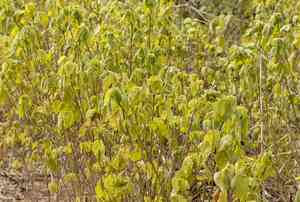
For multiplying anglestem indian mallow, focus on root sections. Choose robust, developed stalks and execute precise incisions directly beneath a joint. Insert these into a propagation substrate that drains effectively, guaranteeing steady dampness without oversaturation. Sustain a warm, moist atmosphere to foster root development. Periodically observe for indications of expansion and re-pot once the root system is firmly established.
Optimal Period for Anglestem Indian Mallow Propagation
Propagation Method
Cutting
Propagation Period
Spring,Summer
Tools Required for Anglestem Indian Mallow Propagation
Pruning Shears
Pruning shears are crucial for obtaining cuttings from anglestem indian mallow. They are necessary for making clean, precise cuts without harming the parent plant. Sharp shears help prevent stem crushing, which can negatively impact rooting success.
Rooting Hormone
Rooting hormone promotes root formation in anglestem indian mallow cuttings. It is applied to the base of the cuttings to stimulate faster and stronger root growth, increasing the likelihood of successful propagation.
Propagation Trays
Propagation trays are utilized to hold and nurture anglestem indian mallow cuttings. They offer a controlled environment with sufficient drainage and space for the cuttings to develop roots.
Sterile Potting Mix
A sterile potting mix is essential for providing the correct conditions for rooting anglestem indian mallow cuttings. This medium is free of pathogens that could cause diseases, improving the health and viability of the new plants.
Misting Bottle
A misting bottle is employed to maintain appropriate humidity around anglestem indian mallow cuttings. Keeping the cuttings moist is vital for preventing desiccation and ensuring they have the right conditions for successful rooting.
Heat Mat
A heat mat provides warmth to the base of anglestem indian mallow cuttings, encouraging root development by maintaining an optimal temperature. This is particularly beneficial in cooler environments or seasons.
Labeling Stakes
Labeling stakes assist in tracking anglestem indian mallow cuttings during propagation. Accurate labeling ensures proper identification and care, especially when multiple varieties or species are being propagated simultaneously.
How to Propagate Anglestem Indian Mallow?
Propagation Difficulty
Moderately Difficult
Caring for Your Newly Propagated Anglestem Indian Mallow
Caring for Your Newly Propagated Anglestem Indian Mallow
Once roots have formed and the cuttings are established, transfer anglestem indian mallow to individual pots filled with a well-draining potting mix. Provide bright, indirect light and maintain consistent moisture levels. Fertilize anglestem indian mallow with a balanced, water-soluble fertilizer monthly during the growing season. Monitor for pests and diseases, and prune as needed to encourage bushy growth and remove dead or damaged foliage.
Common Errors to Avoid When Propagating Anglestem Indian Mallow
Overwatering
Excessive moisture can lead to root rot and other fungal diseases, hindering growth or killing the plant.
Insufficient Light
Inadequate light can result in weak, elongated growth and poor root development, which affects propagation success.
Incorrect Soil Mix
Using soil that retains too much moisture or lacks proper drainage can impede root growth and increase the risk of disease.
Improper Cuttings
Taking cuttings that are too large or too small, or not using sanitized tools, can hinder rooting and increase susceptibility to infection.
Neglecting Humidity
Failing to provide adequate humidity for cuttings can lead to dehydration and poor root establishment.
Tips For Propagating Anglestem Indian Mallow
Moderate Watering
Maintain consistent moisture levels without waterlogging to prevent root rot and provide a stable environment for growth.
Bright, Indirect Light
Place cuttings in an area with ample indirect sunlight to encourage strong root and shoot development.
Well-Draining Soil
Use a soil mix that balances moisture retention and drainage. A mix of potting soil, sand, and perlite is often effective.
Proper Cuttings
Take cuttings from healthy, disease-free plants. Ensure cuttings are approximately four to six inches long and use sterilized tools.
Maintaining Humidity
Cover cuttings with a plastic bag or place them in a propagator to maintain high humidity, which is crucial for successful rooting.



