How to Prune Mauve?
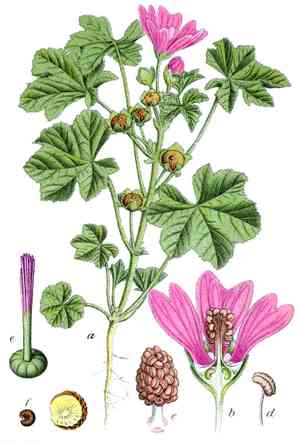
Mauve, a perennial plant, is recognized for its vivid blossoms. Trimming should occur in early spring to eliminate any deceased or compromised woody parts and to sculpt the plant. Shorten elongated stems and thin out dense branches to improve air circulation and foster robust development. Bloom-producing stalks can be lightly clipped to stimulate additional flowering. Consistent trimming aids in disease prevention and preserves a neat look. Always employ sanitized, keen implements to lessen the plant's strain.
What Are the Benefits of Pruning Mauve?
What Are the Benefits of Pruning Mauve?
Trimming mauve promotes vigorous growth and maintains its form by eliminating dead or overgrown branches, enhancing air circulation, stimulating new development, and preserving its aesthetic appeal.
What Is the Best Time for Pruning Mauve?
What Is the Best Time for Pruning Mauve?
Pruning in early spring is optimal for mauve as it allows the plant ample recovery time before the active growth period. This timing fosters healthier development and encourages more abundant blooms. Pruning during this phase also minimizes the risk of cold weather damage, which can make cuts vulnerable to illness. Since mauve flowers on new growth, early spring pruning stimulates the emergence of new shoots and subsequently boosts flowering.
What Tools Do I Need to Prune Mauve?
Hand Pruners
Hand pruners are perfect for trimming young, delicate stems and small branches of mauve. They provide precision and control, making them ideal for shaping and maintaining the plant's appearance.
Loppers
Loppers are essential for cutting thicker branches that hand pruners cannot manage. They offer the leverage needed to make clean cuts on older or woody growth without harming the plant.
Pruning Saw
A pruning saw is recommended for removing larger branches that are too thick for both hand pruners and loppers. This tool ensures smooth cuts and prevents tearing that can injure mauve.
Bypass Pruners
Bypass pruners are crucial for making clean cuts on live stems without crushing them. They are especially useful for maintaining healthy growth and preventing disease.
How to Prune Mauve
Assessment
Thoroughly inspect mauve to identify diseased leaves, withered leaves, dead branches, and diseased branches.
Tools
Utilize sterilized pruning shears or scissors to prevent the spread of pathogens when cutting diseased parts.
Diseased Leaves
Remove any diseased leaves by making a clean cut at least an inch below the infected area to ensure all disease is eliminated.
Withered Leaves
Eliminate withered leaves by cutting them off at their base, ensuring a clean and quick cut.
Branches
Cut dead and diseased branches back to healthy tissue or to the main stem, avoiding stubs to prevent decay.
Common Pruning Mistakes with Mauve
Over-pruning
Excessive pruning of mauve can cause shock and stress to the plant, leading to poor growth and reduced flowering. Both new and experienced gardeners sometimes remove too much foliage, which can hinder the plant's ability to photosynthesize effectively.
Pruning at the wrong angle
Cutting branches at an incorrect angle can cause water to accumulate on cut surfaces, increasing the risk of disease and rot. The optimal angle for pruning should always be considered to ensure water runoff.
Using dull or dirty tools
Using tools that are not properly sharpened or cleaned can cause jagged cuts and introduce infection. Sharp, clean pruning tools are essential for making clean cuts that heal quickly.
Ignoring the plant's natural shape
Pruning without regard to mauve's natural structure can lead to an unattractive appearance and can obstruct proper airflow through the branches. It’s important to maintain the plant’s natural growth pattern.
Not removing dead or diseased wood
Failing to remove dead or diseased parts of the plant can spread infections and contribute to overall poor health. Consistently assessing and removing unhealthy wood is crucial for the longevity of mauve.
Common Pruning Tips for Mauve
Use sharp and clean tools
Always prune mauve with sharp, sterilized tools to ensure clean cuts and prevent disease. Rubbing alcohol or a bleach solution can be used to sterilize the tools before use.
Aim for a natural shape
Maintain the natural form of mauve by pruning judiciously, removing no more than one-third of the plant at a time. This keeps the plant looking natural and ensures it remains healthy.
Make cuts at a 45-degree angle
When cutting stems, do so at a 45-degree angle away from the bud. This helps water to run off the cut surface, reducing the likelihood of disease and promoting quicker healing.
Focus on removing dead or damaged growth
Prioritize removing dead, damaged, or diseased growth to maintain the health of mauve. This avoids the spread of disease and pests and encourages better growth.
Cut back to a bud or branching point
Ensure that you make cuts just above a bud or branching point. This encourages new growth in the right direction and prevents unsightly stubs that can become diseased.



