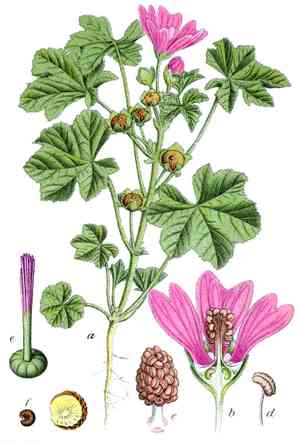
Mauve (Abutilon hulseanum)
Also known as: Hairy Indian Mallow, Hairy Abutilon
Mauve plants, recognized for their charming mauve-colored flowers, flourish best in temperate climates with good drainage. They prefer environments with full sun to partial shade, needing at least 6 hours of sunlight daily. These plants are well-suited to both garden beds and open spaces and require regular watering while being protected from extreme weather for optimal growth.
In This Article
Attributes of Mauve
Lifespan
Perennial
Plant Type
Shrub
Plant Height
1 to 3 feet
Spread
1 to 2 feet
Leaf Color
Green
Flower Size
1 to 2 inches
Flower Color
Yellow
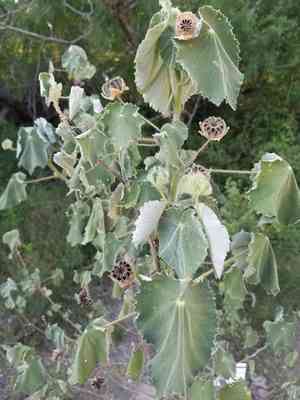
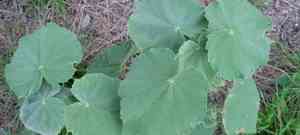
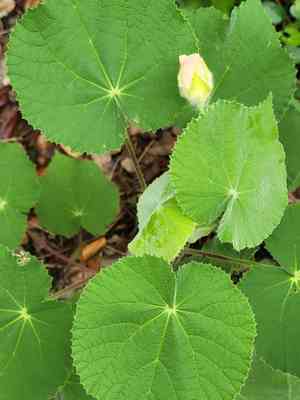
Images of Mauve
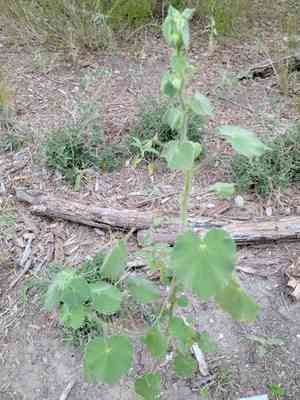
Quickly Identify Mauve
1
It can be identified by its hairy leaves and yellow flowers. The leaves are heart-shaped, and the plant typically grows in sunny areas.
Scientific Classification of Mauve
Phylum
Vascular plants
Class
Dicotyledons
Order
Malvales
Family
Mallow
Genus
Indian mallows
Species
Mauve
Planting and Growing of Mauve
Care Difficulty
Moderate
Watering Schedule
Every 3 days
Sunlight Requirements
Partial sun
Sunshine Duration
6-10 hours
Ideal Temperature
65-75℉
Soil Type
Potting Mix, Peat Mix
Soil pH
6.5-7.5
Fertilizer Type
Balanced
Pruning Season
Spring, Summer
Pruning Area
Branches, Leaves
Pruning Frequency
2 times a year
Repotting Season
Spring
Pot Type
Ceramic, Plastic
 How to Water Mauve?
For Abutilon hulseanum, a generous watering session involves soaking the soil substantially until water drains from the bottom. The aim is to maintain consistently moist but not waterlogged soil.
What are the symptoms of an underwatered Mauve?
›
What should I do if my Mauve is not getting enough water?
›
What are the symptoms of an overwatered Mauve?
›
How to save an overwatered Mauve?
›
 What Are the Sunlight Requirements for Mauve?
Abutilon hulseanum does well in partial sunlight, ensuring it gets 4-6 hours of light daily. This range fosters optimal photosynthesis, enhancing the plant's bloom while preventing leaf burn.
How much sunlight does Abutilon hulseanum need?
›
How to achieve ideal lighting for Abutilon hulseanum?
›
What are the benefits of ideal lighting for Abutilon hulseanum?
›
 What Is the Ideal Temperature Range for Mauve?
For Abutilon hulseanum, the ideal temperature range is between 65°F and 75°F. Within this range, the plant can photosynthesize efficiently, leading to optimal growth and blooming. A stable temperature environment reduces the risk of plant stress, ensuring healthy foliage and prolific flowers.
 What Soil is Best for Mauve?
Abutilon hulseanum thrives in nutrient-rich soils which provide the optimum balance of vital nutrients. This enriched medium supports vigorous growth and ensures vibrant blooms. Good drainage is crucial to prevent waterlogging, which can lead to root rot. This requirement allows the roots of Abutilon hulseanum to breathe and absorb nutrients effectively. Proper soil aeration promotes root expansion and health. Aerated soil allows roots to access oxygen more easily, supporting the plant's overall vitality.
 How to Fertilize Mauve?
Abutilon hulseanum benefits from a balanced fertilizer approach. For liquid fertilizers, a solution with a concentration of 1/4 of the recommended strength per label is optimal. Apply around 250ml of this solution per plant for efficient nutrient uptake. Slow-release granular fertilizers should be applied at a rate of 5 grams per plant to ensure a steady nutrient supply.
 How to Prune Mauve?
Identify and cut any dead or diseased parts back to healthy tissue. Make cuts at a 45-degree angle just above a leaf node to promote healthy regrowth. Trim the plant to promote an even and balanced shape. Focus on trimming excessive branches to increase air circulation and sunlight penetration inside the bush. Pinch back new growth regularly to encourage your Abutilon hulseanum to grow bushier. This means cutting just above a growth node to stimulate two new branches instead of one. After pruning, take a step back and review your work. It may require a few adjustments for balanced symmetry and to achieve the desired structure.
More About Pruning Techniques→
 How to Propagate Mauve plant?
1
Soak the seeds in warm water for 24 hours to improve germination rates. Place the seeds on a paper towel to dry slightly before planting. Sow the seeds evenly in the seed starting tray filled with a well-draining seed starting mix, pressing them slightly into the soil, but do not cover them completely as they require light to germinate.
2
Select healthy, semi-hardwood stems from the mother plant and cut them into 4-6 inch sections. Remove lower leaves to reduce water loss through transpiration. Dip the cut end into a rooting hormone to stimulate root development before planting them into a moist potting mix.
3
Once the seeds have germinated and seedlings are strong, or cuttings have rooted well, transplant them into individual pots. Choose a nutrient-rich potting medium and ensure the pots have drainage holes. Acclimatize the young plants to outdoor conditions gradually to prevent shock.
 How to Repot Mauve plant?
1
Repot your Abutilon hulseanum when you notice it becoming root-bound, with roots emerging from the drainage holes or a lack of growth despite regular care. Spring or early summer is ideal, providing the plant ample time to adjust to its new container before the growing season is in full swing.
2
Select a pot slightly larger than the current one, with good drainage holes to prevent waterlogging. A well-chosen pot facilitates healthier root growth and efficient water management, reducing the risk of root rot.
3
Opt for a well-draining potting soil, enriched with organic matter to simulate the plant's natural environment. This type of soil promotes healthy root development and prevents moisture retention issues, which could damage the plant in the long run.
Learn More About Mauve Diseases
Anthracnose
Bacterial Leaf Spot
Bacterial Soft Rot
Bacterial Wilt
Black Spot
Chemical Injury
Crown Gall
Cyst Nematode
Damping-off
Downy Mildew
Drought Stress
Fusarium Wilt
Gray Mold
Leaf Curl
Leaf Spot
Mosaic
Nutrient Deficiency
Nutrient Toxicity
Powdery Mildew
Root Rot
Root-knot Nematode
Rusts
Sooty Mold
Spider Mites
Temperature Stress
Thrips Damage
White Mold



