How to Propagate Mauve?
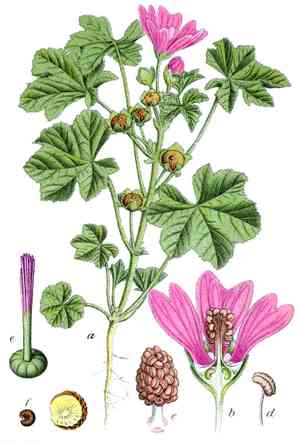
Mauve, a species within the Malvaceae family, is recognized for its appealing, fragile blossoms and abundant leaves. To propagate, sever a robust, non-blooming stem tip possessing multiple leaf nodes. Detach the bottom leaves and immerse the severed end in rooting compound to enhance success. Insert it into a potting blend that drains effectively, maintaining consistent dampness without oversaturation. Guarantee the cutting receives ample, diffused illumination to stimulate root development.
Optimal Period for Mauve Propagation
Propagation Method
Cutting
Propagation Period
Spring,Summer
Tools Required for Mauve Propagation
Pruning Shears
Utilized for obtaining cuttings from mauve. Premium, sharp pruning shears guarantee clean cuts, minimizing plant damage or disease introduction.
Rooting Hormone
Applied to the severed ends of stem cuttings to stimulate root formation. Especially vital for mauve as it boosts the propagation success rate from cuttings.
Propagation Tray
Offers a regulated setting for cuttings to root. A propagation tray with a transparent plastic cover can sustain humidity levels, crucial for mauve to avert desiccation of the cuttings.
Sterilized Soil Mix
A well-draining, sterilized soil blend prevents bacterial or fungal infections. For mauve, a combination of peat moss and perlite is often suggested to support robust root development.
Mist Sprayer
Maintains appropriate moisture levels around the cuttings without saturating them. Regular misting aids mauve cuttings in retaining moisture and enhances rooting success.
Heating Mat
Supplies bottom warmth to encourage root growth. A steady warm temperature is essential for mauve to accelerate the rooting process.
Scalpel or Sharp Knife
Employed for making precise incisions on the stem. A clean, keen blade is necessary to minimize tissue harm on mauve when taking cuttings.
Labeling Stakes or Tags
Track the propagation date and specifics of each cutting. Important for monitoring progress and maintaining organized records of mauve cuttings.
Humidifier
Helps maintain consistent humidity levels in the propagation area. Ensures mauve cuttings do not dry out during the rooting phase.
How to Propagate Mauve?
Propagation Type
Moderately Difficult
Caring for Your Newly Propagated Mauve
Caring for Your Newly Propagated Mauve
Once mauve has established roots and shows new growth, gradually introduce it to outdoor conditions by removing the plastic cover and exposing it to indirect sunlight over a week. Afterward, transplant to its permanent spot. Provide consistent watering, allowing the soil to dry slightly between sessions. Fertilize monthly with a balanced, water-soluble fertilizer. Protect from extreme temperatures and ensure good air circulation to prevent fungal diseases. Prune as needed to maintain desired shape and size.
Common Errors to Avoid When Propagating Mauve
Overwatering
Excessive water can lead to root rot, which is detrimental to mauve's health and can hinder successful propagation.
Incorrect Soil Type
Using soil that is too dense or retains too much moisture can impede root development and propagation.
Lack of Humidity
Mauve requires a certain level of humidity to thrive; insufficient humidity can slow down or prevent successful propagation.
Inadequate Light
Mauve needs the right amount of light to grow; too much or too little light can impede propagation.
Improper Cutting Techniques
Using dull or dirty tools can damage the cutting and introduce pathogens, reducing the chances of successful propagation.
Tips For Propagating Mauve
Use Well-Draining Soil
Ensure the soil mix drains effectively to prevent water retention that can cause root rot.
Maintain Humidity
Keep the surrounding environment humid, using a misting bottle or a humidity dome if necessary.
Provide Indirect Light
Place the cuttings in a location with bright, indirect sunlight to support healthy growth.
Keep Soil Moist, Not Wet
Moisten the soil just enough without letting it get waterlogged; consistent moisture supports root development.
Use Clean, Sharp Tools
Always use clean, sharp cutting tools to make clean cuts, reducing the risk of introducing disease and promoting healthy growth.



