How to Prune Berlandier's indian mallow?
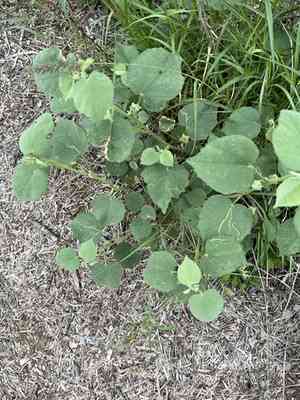
Berlandier's indian mallow features prominent, attractive blossoms and foliage resembling maple leaves. For peak performance, trim in early spring, right before fresh development starts. Concentrate on eliminating deceased or compromised limbs and reducing dense sections to improve air movement. This fosters more robust flowering and discourages ailments. Consistent yearly trimming also aids in preserving the preferred form and dimensions. Verifying that your implements are sanitized and keen prevents the dissemination of harmful agents, thereby contributing to the general well-being of berlandier's indian mallow.
What Are the Benefits of Pruning Berlandier's Indian Mallow?
What Are the Benefits of Pruning Berlandier's Indian Mallow?
Trimming berlandier's indian mallow promotes vigorous development and helps maintain its form, ensuring the plant stays healthy and manageable. This practice also boosts flower production and can prevent potential pest and disease issues.
What Is the Best Time for Pruning Berlandier's Indian Mallow?
What Is the Best Time for Pruning Berlandier's Indian Mallow?
Early spring is considered the optimal period for pruning berlandier's indian mallow because this timing aligns with the plant's growth cycle. Pruning in early spring helps to remove any winter-damaged branches before new growth begins, ensuring the plant can direct its energy towards producing healthy new shoots. Additionally, pruning at this time supports the overall health and vitality of berlandier's indian mallow, as it encourages robust growth and abundant flowering during the growing season. By pruning before the onset of rapid growth, gardeners can also shape and manage the plant more effectively.
What Tools Do I Need to Prune Berlandier's Indian Mallow?
Hand Pruners
Perfect for precise cuts on small branches and stems, up to 1 inch thick. Essential for maintaining the shape and health of berlandier's indian mallow.
Loppers
Useful for cutting thicker branches that hand pruners cannot manage. Typically, branches up to 2 inches thick. Helps manage larger structural pruning needs of berlandier's indian mallow.
Pruning Saw
Required for cutting mature branches that are too thick for loppers or hand pruners. Important for significant pruning or restoration of berlandier's indian mallow.
Pruning Shears
Suitable for trimming back foliage and small twigs. Provides clean cuts that help reduce plant stress and disease in berlandier's indian mallow.
Bypass Pruners
Excellent for making clean cuts on live wood, which is crucial to avoid damage and promote faster healing in berlandier's indian mallow.
Anvil Pruners
Best for cutting through dead or woody stems. Helps in removing dead parts efficiently without crushing the live tissue of berlandier's indian mallow.
How to Prune Berlandier's Indian Mallow
Inspection
Examine berlandier's indian mallow thoroughly to identify any diseased leaves, withered leaves, and dead or diseased branches that need trimming.
Decision
Prioritize cutting diseased parts first to prevent the spread of infections. Mark the locations of diseased leaves and branches for precise pruning.
Clean Cut
Using sterilized pruning shears, make clean cuts close to the base of the diseased leaves and branches, ensuring not to leave any stubs.
Remove
Carefully remove withered leaves and dead branches. Trim these parts back to healthy tissue to encourage robust growth.
Disposal
Dispose of all removed parts away from the plant and compost area to avoid reinfection. Clean pruning tools thoroughly after use.
Common Pruning Mistakes with Berlandier's Indian Mallow
Over-pruning
Removing too much foliage can stress berlandier's indian mallow, reducing its ability to photosynthesize efficiently and possibly leading to stunted growth.
Improper Cutting Technique
Using dull or dirty tools can cause jagged cuts, increasing the risk of disease and infection. Always use sharp and clean pruning shears.
Incorrect Branch Selection
Pruning healthy branches instead of targeting dead, damaged, or diseased ones. This can hinder the plant's overall health and growth.
Ignoring the Plant's Natural Shape
Failing to consider berlandier's indian mallow's natural growth pattern can result in an unnatural appearance and reduced flowering.
Common Pruning Tips for Berlandier's Indian Mallow
Use Sterilized Tools
Ensure your pruning shears are sterilized before and after use to prevent the spread of disease.
Identify and Remove Dead or Diseased Branches First
Prioritize the removal of any dead, damaged, or diseased branches to promote better overall plant health.
Make Clean Cuts
Ensure all cuts are clean and at a slight angle to encourage proper healing and drainage.
Follow the Plant's Natural Shape
Prune in a way that respects berlandier's indian mallow's natural growth habit to maintain its aesthetic and structural integrity.
Be Conservative
Only remove what is necessary. It's better to prune less and observe the plant's response before making further cuts.



