How to Propagate Berlandier's indian mallow?
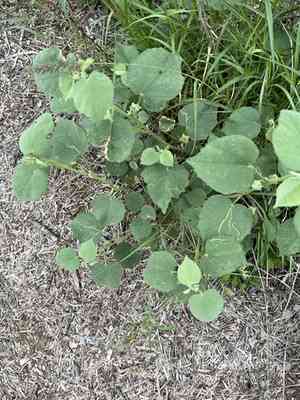
Berlandier's indian mallow, a adaptable species within the Malvaceae family, is recognized for its characteristic mallow-shaped blossoms. When propagating, prioritize using cuttings, selecting only vigorous and developed stems. Insert cuttings into a substrate that drains efficiently, and sustain uniform dampness without oversaturation. Offer filtered light to stimulate root formation. This technique ensures the successful development of strong and thriving new specimens.
When Is the Optimal Time to Propagate Berlandier's Indian Mallow?
Propagation Method
Cutting
Propagation Period
Spring,Summer
What Equipment Is Utilized for Berlandier's Indian Mallow Propagation?
Pruning Shears
Employed for obtaining healthy cuttings from berlandier's indian mallow. Ensure the blades are sharp and clean to achieve precise cuts and prevent harm to the plant tissue.
Rooting Hormone
Facilitates the growth of roots from cuttings. Dip the severed end of berlandier's indian mallow into the rooting hormone to enhance the likelihood of successful root formation.
Propagation Trays
Offer a controlled setting for rooting berlandier's indian mallow cuttings. These trays hold a growing medium and keep cuttings hydrated and stable.
Humidity Dome
Maintains a high moisture environment, crucial for the initial stages of rooting berlandier's indian mallow cuttings. The dome aids in minimizing water loss and keeping the cuttings hydrated.
Sterilized Growing Medium
Provides a disease-free environment for rooting cuttings. Ensure the medium drains well yet retains moisture, supporting berlandier's indian mallow cuttings as they develop roots.
Misting Bottle
Used to keep berlandier's indian mallow cuttings moist without over-saturating. Gentle misting supplies the necessary moisture for root development and prevents drying out.
Heat Mat
Delivers consistent bottom warmth, which can encourage faster and more robust rooting of berlandier's indian mallow cuttings. Ideal for maintaining a steady temperature.
Plant Labels
Assist in identifying various berlandier's indian mallow cuttings and tracking their propagation progress. Proper labeling ensures accurate monitoring and care.
How to Propagate Berlandier's Indian Mallow?
Propagation Difficulty
Moderately Difficult
How to Care for Your Newly Propagated Berlandier's Indian Mallow?
How to Care for Your Newly Propagated Berlandier's Indian Mallow?
Once roots are established and new growth emerges, gradually introduce berlandier's indian mallow to typical indoor conditions by lowering humidity and increasing light exposure. Replant into a larger container with fertile soil. Water consistently, allowing the top inch of soil to dry between waterings. Provide partial to full sunlight and shield from extreme temperatures. Fertilize with a balanced, water-soluble fertilizer every 4-6 weeks during the active growth period.
Common Errors to Avoid When Propagating Berlandier's Indian Mallow
Overwatering
Excessive moisture can lead to root rot and fungal diseases, negatively impacting the plant's growth and vitality.
Incorrect Soil Mix
Utilizing soil that is too compact or holds too much moisture can suffocate the roots and impede propagation.
Insufficient Light
A lack of adequate light can hinder successful germination and prevent the development of strong, healthy plants.
Ignoring Temperature Requirements
Exposing the plant to temperatures that are too low or too high can stress the plant and reduce propagation success.
Forgetting to Harden Off Seedlings
Transplanting seedlings directly without acclimation can shock the plant, leading to stunted growth or death.
Tips For Propagating Berlandier's Indian Mallow
Utilize Well-Draining Soil
Ensure the soil mixture contains elements like sand or perlite to enhance drainage and prevent root rot.
Provide Ample Light
Position the plant in an area with sufficient indirect sunlight to support healthy growth and development.
Maintain Optimal Moisture
Keep the soil consistently damp but not waterlogged, using a spray bottle to lightly mist the soil as needed.
Monitor Temperature
Keep the plant in an environment with stable, moderate temperatures to avoid stress and encourage vigorous growth.
Harden Off Seedlings Gradually
Gradually expose seedlings to outdoor conditions by increasing their time outside over a week before transplanting to reduce transplant shock.



