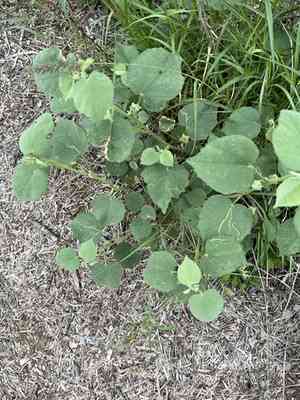
Berlandier's indian mallow (Abutilon berlandieri)
Also known as: Peloton, Berlandier's Indian mallow
Berlandier's Indian mallow (Abutilon berlandieri) is a hardy perennial herb known for its resilience in arid environments. Native to the Southwestern United States and Mexico, it flourishes in gravelly and sandy soils. The plant is characterized by its heart-shaped leaves and striking yellow flowers, often with dark red veins that attract pollinators. Thriving in full sun, Berlandier's Indian mallow is well-adapted to drought conditions, making it a robust addition to dry landscapes.
In This Article
Attributes of Berlandier's indian mallow
Lifespan
Perennial
Plant Type
Shrub
Plant Height
0.5 to 1 meter
Spread
About 0.5 meters
Leaf Color
Green
Flower Size
2 to 3 cm
Flower Color
Yellow to orange
Images of Berlandier's indian mallow
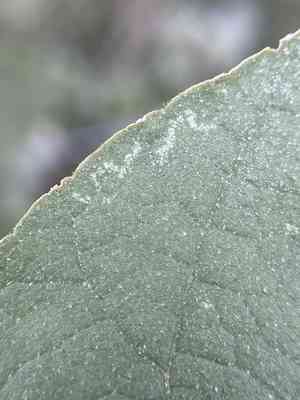
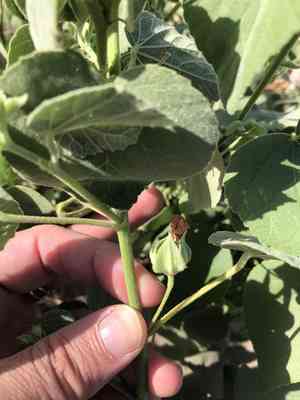
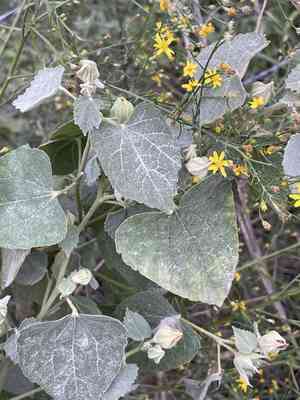
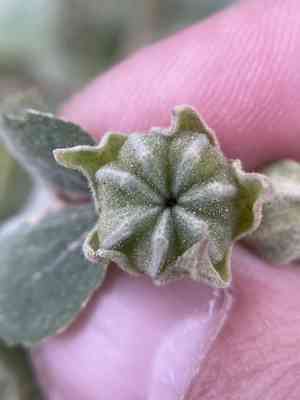
Quickly Identify Berlandier's indian mallow
1
Identify Abutilon berlandieri by its lobed, palmate leaves and bright yellow to orange flowers that have five petals and a bell-like shape.
Scientific Classification of Berlandier's indian mallow
Phylum
Vascular plants
Class
Dicotyledons
Order
Malvales
Family
Mallow
Genus
Indian mallows
Species
Berlandier's indian mallow
Planting and Growing of Berlandier's indian mallow
Care Difficulty
Moderate
Watering Schedule
Every 3 days
Sunlight Requirements
Full sun
Sunshine Duration
4-8 hours
Ideal Temperature
65-75℉
Soil Type
Potting Mix, Peat Mix
Soil pH
6.5-7.5
Fertilizer Type
Balanced
Pruning Season
Spring, Summer
Pruning Area
Branches, Leaves
Pruning Frequency
2 times a year
Repotting Season
Spring
Pot Type
Plastic, Ceramic
 How to Water Berlandier's indian mallow?
When watering Abutilon berlandieri, aim for a thorough soak that reaches the root zone. This plant prefers even moisture, so the soil should feel consistently damp, similar to a wrung-out sponge, but never waterlogged.
What are the symptoms of an underwatered Berlandier's indian mallow?
›
What should I do if my Berlandier's indian mallow is not getting enough water?
›
What are the symptoms of an overwatered Berlandier's indian mallow?
›
How to save an overwatered Berlandier's indian mallow?
›
 What Are the Sunlight Requirements for Berlandier's indian mallow?
Partial sun ensures that the plant gets robust growth and vibrant leaves. Abutilon berlandieri thrives when it receives filtered sunlight, optimizing photosynthesis and promoting healthy blooms.
Question 1
›
Question 2
›
Question 3
›
 What Is the Ideal Temperature Range for Berlandier's indian mallow?
The ideal temperature range for Abutilon berlandieri is between 65°F and 75°F. Temperatures within this range provide optimal growing conditions, ensuring the plant performs well and can undergo healthy development and flowering.
 What Soil is Best for Berlandier's indian mallow?
Abutilon berlandieri thrives in soils with excellent drainage, which prevents waterlogging and root rot, ensuring healthy plant growth. Proper drainage allows roots to access oxygen, which is essential for nutrient uptake. The plant requires moderately fertile soil to support its growth. Rich in organic matter, this type of soil provides essential nutrients without overwhelming the plant, allowing it to flourish without excessive fertilization. A well-aerated soil structure is crucial for Abutilon berlandieri, facilitating root expansion and enhancing air circulation. This promotes robust root development, which directly contributes to the plant's health and vigor.
 How to Fertilize Berlandier's indian mallow?
For Abutilon berlandieri, it is advisable to use a balanced 10-10-10 liquid fertilizer diluted to half strength. Apply about 1/4 cup per plant every time you fertilize. Over-fertilizing can stress the plant, so moderation is key.
 How to Prune Berlandier's indian mallow?
Always use sterilized tools to prevent the spread of diseases. This is crucial, especially after cutting diseased or pest-infested branches. After pruning, monitor the plant closely for new growth. Any signs of stress, such as wilting or discoloration, should be addressed promptly to ensure plant health.
More About Pruning Techniques→
 How to Propagate Berlandier's indian mallow plant?
1
Use a well-draining soil mix that retains moisture but does not become waterlogged. Sterilize the soil before use to avoid introducing pests or diseases to the tender seedlings or cuttings. Amend the soil with organic matter for added nutrients.
2
Sow the seeds on the surface of the soil and lightly cover them with a thin layer of vermiculite. Keep the soil consistently moist using a spray bottle and place the tray in a warm area with indirect sunlight. Ensure temperatures remain between 70-75°F for optimal germination.
3
Select healthy, non-flowering stems from the parent plant and make a clean cut just below a node. Remove the lower leaves, dip the cut end in rooting hormone, and plant it in a moistened soilless mix. Keep the cuttings humid by loosely covering them with plastic.
 How to Repot Berlandier's indian mallow plant?
1
Abutilon berlandieri should be repotted when you notice roots growing out of the drainage holes or when the growth seems stunted despite optimal care. It's also wise to repot if the soil appears heavily compacted or if you've noticed reduced flowering. Early spring or early summer is ideal, as the plant is beginning its active growth period and can recover quicker.
2
Select a pot that is just slightly larger than the current one, preferably 1-2 inches wider in diameter. A pot too large can hold excess moisture, leading to root rot, while a pot that's too small may restrict healthy growth. Ensure it has proper drainage holes to prevent waterlogging, which promotes healthy root systems and vigorous growth.
3
Opt for a well-draining potting mix, ideally one formulated for flowers or houseplants that include components like peat moss, perlite, or sand. Such a mix ensures that water does not accumulate but rather drains efficiently, reducing the risk of root rot while still providing the plant with necessary nutrients.
Learn More About Berlandier's indian mallow Diseases
Anthracnose
Bacterial Leaf Spot
Bacterial Wilt
Crown Gall
Damping-off
Downy Mildew
Drought Stress
Fusarium Wilt
Gray Mold
Leaf Curl
Leaf Spot
Mosaic
Nutrient Deficiency
Nutrient Toxicity
Powdery Mildew
Root Rot
Root-knot Nematode
Rusts
Sooty Mold
Spider Mites
Temperature Stress
Thrips Damage
White Mold



