How to Prune Largefruit sand verbena?
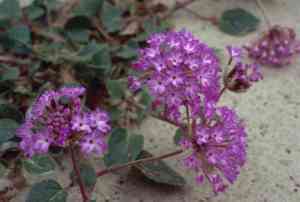
Recognized for its vivid flowers and desert origins, largefruit sand verbena thrives with trimming in the initial part of spring or the latter part of winter. Sever any lifeless or ailing limbs to improve air movement and form. Trimming stimulates more compact development and extends flowering durations. The ideal period coincides with its inactive stage, lessening strain and fostering recuperation. Consistent upkeep eliminates aged foliage, assisting in averting ailments and preserving the plant's general well-being. Adapt trimming practices to its inherent growth pattern for superior outcomes.
What Are the Benefits of Pruning Largefruit Sand Verbena?
What Are the Benefits of Pruning Largefruit Sand Verbena?
Trimming largefruit sand verbena encourages robust development and maintains its form, fostering healthy growth. Regular cutting also boosts blooming, manages size, enhances appearance, and increases resistance to pests and diseases, ensuring a strong plant.
What Is the Best Time for Pruning Largefruit Sand Verbena?
What Is the Best Time for Pruning Largefruit Sand Verbena?
Pruning largefruit sand verbena in late winter or early spring is optimal as it aligns with the plant's dormant phase. During dormancy, the plant is less active, which minimizes stress and potential harm from pruning. This timing also ensures pruning is finished before new growth begins, allowing largefruit sand verbena to recover and direct energy towards healthy development and flowering in the upcoming growing season. Pruning after the bloom period can also be advantageous for preserving the plant's shape and encouraging revitalization. These methods are supported by horticultural experts who emphasize the plant's growth cycle and natural rhythms.
What Tools Do I Need to Prune Largefruit Sand Verbena?
Hand Pruners
Perfect for making precise cuts on smaller stems and tidying up the plant without harming largefruit sand verbena, which typically has slender stems.
Bypass Pruners
Especially useful for cutting live, green wood. They ensure clean cuts which help prevent disease spread and promote healthy growth in largefruit sand verbena.
Pruning Scissors
Helpful for deadheading or removing spent flowers from largefruit sand verbena to encourage more blooms and a better overall look.
Sterilizing Solution
Crucial for cleaning blades between uses to prevent the transmission of pathogens to the delicate structure of largefruit sand verbena.
How to Prune Largefruit Sand Verbena
Inspect
Assess the overall health of largefruit sand verbena to identify any diseased or withered foliage that requires removal.
Tools
Utilize sterilized pruning shears to prevent disease transmission and ensure clean cuts.
Remove diseased leaves
Carefully snip off any leaves showing signs of illness, ensuring you remove the entire affected leaf to prevent further contamination.
Remove withered leaves
Trim off dried leaves that no longer contribute to the health of largefruit sand verbena, cutting close to the base without damaging the stem.
Dispose
Properly discard all removed plant material to prevent disease spread, ideally by burning or placing it in a sealed bag for disposal.
Common Pruning Mistakes with Largefruit Sand Verbena
Over-pruning
Removing too many stems at once can shock the plant, leading to stunted growth and fewer blooms.
Poor technique
Using dull or dirty tools can cause jagged cuts and introduce diseases to the plant.
Wrong timing
Pruning at an inappropriate time of year can disrupt the plant's natural growth and flowering cycles.
Common Pruning Tips for Largefruit Sand Verbena
Use sharp, clean tools
Ensure your pruning shears are sharp and sanitized before making any cuts to prevent damage and infection.
Prune selectively
Trim only a few stems at a time, focusing on removing dead or damaged parts to maintain the plantâs health and encourage new growth.
Maintain proper form
Aim to keep the plantâs natural shape by making cuts just above a leaf node or bud, which promotes better branching and flowering.
Monitor plant health
Regularly check for signs of disease or pests and prune affected areas promptly to contain any issues.



