How to Propagate Largefruit sand verbena?
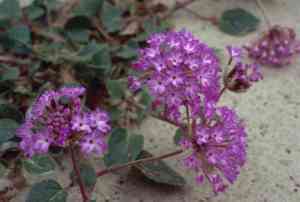
Largefruit sand verbena flourishes in porous, sandy substrates, requiring diligent oversight of hydration levels. Plant seeds indoors, preserving a steady, elevated temperature. Gently blanket seeds with earth, guaranteeing sufficient exposure to natural light. Verify that the immediate surroundings replicate indigenous habitats to foster sprouting and young plant development. Relocate young plants once they are sturdy enough for external environments, prioritizing gentle manipulation to prevent harm to their root systems.
When Is the Optimal Time to Propagate Largefruit Sand Verbena?
Method of Propagation
Seeding
Propagation Period
Spring
What Equipment Is Utilized in Largefruit Sand Verbena Propagation?
Seed Tray
Offers a regulated setting for planting and sprouting largefruit sand verbena seeds. Ensures even distribution and ideal growth conditions for young plants.
Seed Starting Mix
A specially formulated, sterile substrate that provides good drainage and aeration for largefruit sand verbena seeds, fostering robust root development.
Heating Mat
Maintains a consistent soil temperature, vital for the germination of largefruit sand verbena seeds, especially in cooler climates.
Misting Bottle
Delivers gentle, uniform moisture to the seed starting mix, preventing disturbance of largefruit sand verbena seeds while ensuring adequate hydration.
Grow Lights
Supplements natural light to ensure largefruit sand verbena seedlings receive sufficient illumination for optimal growth, particularly in areas with limited sunlight.
Humidity Dome
Creates a moist microenvironment that aids in the germination of largefruit sand verbena seeds by retaining moisture and warmth.
Seed Dibber
Helps create small indentations or holes in the seed starting mix at appropriate depths for sowing largefruit sand verbena seeds.
Labeling Stakes
Assists in identifying and tracking largefruit sand verbena seedlings to maintain organization and ensure proper care.
Transplanting Trowel
Used for carefully lifting and relocating largefruit sand verbena seedlings from the seed tray to their final growing spot without damaging roots.
How to Propagate Largefruit Sand Verbena?
Propagation Type
Simple
How to Nurture Your Newly Propagated Largefruit Sand Verbena?
How to Nurture Your Newly Propagated Largefruit Sand Verbena?
After propagation, keep largefruit sand verbena in a sunny spot with well-draining soil. Water sparingly, allowing the soil to dry out between waterings. Fertilize occasionally with a balanced, diluted feed during the growing season. Protect plants from strong winds and ensure good air circulation to prevent fungal issues. Regularly check for pests and treat as needed.
Common Errors to Avoid When Propagating Largefruit Sand Verbena
Overwatering
Many gardeners believe more water equals better growth, but largefruit sand verbena is prone to root rot if kept too wet.
Incorrect Soil Type
Using heavy or clay-rich soil can lead to poor drainage and waterlogged roots, hindering largefruit sand verbena's development.
Improper Light Conditions
Largefruit sand verbena requires ample sunlight to flourish; insufficient light can impede growth and successful propagation.
Ignoring Seed Pre-treatment
Failing to properly pre-treat the seeds can lower germination rates and overall propagation success.
Poor Air Circulation
Crowding plants or choosing an area with inadequate airflow can encourage fungal diseases, impacting largefruit sand verbena's health.
Advice For Propagating Largefruit Sand Verbena
Moderate Watering
Ensure the soil stays moist but not waterlogged to prevent root rot and encourage healthy growth.
Well-Draining Soil
Utilize sandy or well-draining soil to prevent water from accumulating around the roots.
Full Sun Exposure
Position largefruit sand verbena in an area that receives full sunlight for most of the day to support robust growth.
Seed Scarification
Lightly scarifying or soaking seeds before planting can improve germination rates.
Adequate Spacing
Ensure sufficient space between plants to enhance air circulation and reduce the risk of fungal infections.



