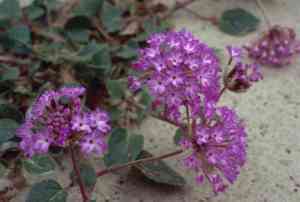
Largefruit sand verbena (Abronia macrocarpa)
Also known as: Hinkley’s Sand Verbena, Large-fruited Sand Verbena
Largefruit sand verbena is characterized by its significant, fleshy fruits and green to yellowish foliage. This perennial herb features clusters of fragrant pink flowers, which draw numerous pollinators. It thrives in well-drained, sandy soils and has adapted to its environment by growing low to the ground, helping it withstand drying winds.
In This Article
Attributes of Largefruit sand verbena
Lifespan
Perennial
Plant Height
Approximately 0.1-0.3 meters (4-12 inches)
Spread
Variable, generally spreading habit up to 0.6 meters (2 feet)
Leaf Color
Green
Flower Size
1.5-3 cm (0.6-1.2 inches)
Flower Color
Magenta to pink
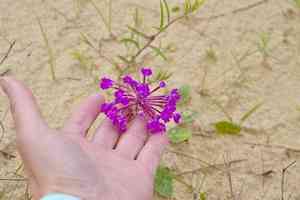
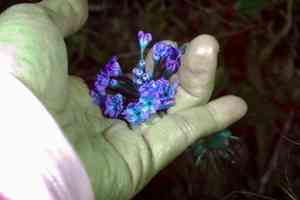
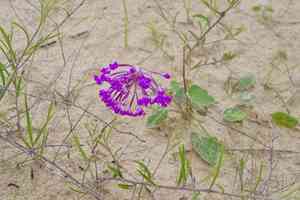
Images of Largefruit sand verbena
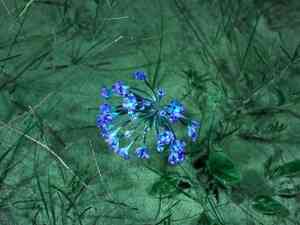
Quickly Identify Largefruit sand verbena
1
Abronia macrocarpa can be identified by its sprawling habit, succulent leaves, and clusters of tubular, magenta flowers that bloom in the spring. The fruit is relatively large and has a distinctive winged structure.
Scientific Classification of Largefruit sand verbena
Phylum
Vascular plants
Class
Dicotyledons
Order
Caryophyllales
Family
Four o'clock
Genus
Sand verbenas
Species
Largefruit sand verbena
Planting and Growing of Largefruit sand verbena
Care Difficulty
Hard
Watering Schedule
Every 2 days
Sunlight Requirements
Full sun
Sunshine Duration
6-10 hours
Ideal Temperature
60-75℉
Soil Type
Potting Mix, Peat Mix
Soil pH
6.5-7.5
Fertilizer Type
Balanced
Pruning Season
Spring, Summer
Pruning Area
Branches, Leaves
Pruning Frequency
2 times a year
Repotting Season
Spring
Pot Type
Plastic, Ceramic
 How to Water Largefruit sand verbena?
Abronia macrocarpa needs a careful balance in watering. Ensure the soil is moist but not soggy; aim for about 250 ml each time, allowing the top layer of soil to dry out before watering again. This method mimics the infrequent rains of its native habitat.
What are the symptoms of an underwatered Largefruit sand verbena?
›
What should I do if my Largefruit sand verbena is not getting enough water?
›
What are the symptoms of an overwatered Largefruit sand verbena?
›
How to save an overwatered Largefruit sand verbena?
›
 What Are the Sunlight Requirements for Largefruit sand verbena?
Abronia macrocarpa prefers partial to full sunlight, ensuring it maximizes photosynthetic activity. Decent exposure enhances growth, flowering, and overall plant vigor.
What is the ideal light level for Abronia macrocarpa?
›
How to ensure Abronia macrocarpa gets ideal light?
›
What benefit does ideal lighting provide to Abronia macrocarpa?
›
 What Is the Ideal Temperature Range for Largefruit sand verbena?
The ideal temperature range for Abronia macrocarpa is between 60°F and 75°F. These temperatures provide a stable environment for optimal growth, encouraging healthy blooms and robust foliage. Maintaining within this range ensures the plant can thrive and sustain its natural processes without stress.
 What Soil is Best for Largefruit sand verbena?
Abronia macrocarpa thrives in well-draining soils that prevent waterlogging. This is crucial as it prevents root rot, allowing the roots to access oxygen effectively, promoting healthy growth. Although naturally adapted to sandy environments, this plant benefits from additional nutrients, so a loamy soil mix with organic matter enhances its vitality and flower production. While drought-tolerant, consistent but moderate moisture ensures Abronia macrocarpa's optimal growth and flowering. Balanced watering helps in maintaining soil structure and plant health.
 How to Fertilize Largefruit sand verbena?
For Abronia macrocarpa, using a balanced 10-10-10 nitrogen-phosphorus-potassium fertilizer is effective. When applying liquid fertilizer, use a solution diluted to half the recommended strength per the manufacturer’s instructions. For slow-release fertilizers, use approximately one tablespoon per plant.
 How to Prune Largefruit sand verbena?
Begin by inspecting the plant for any dead or diseased stems and leaves. These should be removed first to prevent the spread of disease. Look for discolored, wilted, or obviously damaged parts and cut them back to where healthy growth appears. To maintain a neat appearance, trim back overgrown areas and shape the plant to your desired form. Aim to cut at an angle just above a leaf node, which encourages new growth. It's also beneficial to thin out the center to allow better air circulation.
More About Pruning Techniques→
 How to Propagate Largefruit sand verbena plant?
1
Fill the seed tray with a well-draining potting mix. It should be moistened beforehand to ensure even distribution of seeds. Arrange the seeds evenly on the surface and lightly cover them with a thin layer of soil.
2
Select healthy, non-flowering shoots and cut them using sterilized pruning shears. Each cutting should be about 4-6 inches long. Remove the lower leaves to reduce transpiration and dip the cut end in rooting hormone for better results.
3
Insert the prepared cuttings into a pot with a moist, well-draining potting mix. Ensure the cutting is stable and does not lean. Place the pot in a warm, bright location, avoiding direct sunlight, which can scorch the cuttings.
 How to Repot Largefruit sand verbena plant?
1
Signs that Abronia macrocarpa needs repotting include roots protruding from the drainage holes, soil compacted too tightly, or plants that show stunted growth despite optimal care. Observing these indicators suggests it's time to consider transferring the plant to a more spacious abode.
2
Select a pot that is slightly larger than the current one, ensuring it has sufficient drainage holes. A larger pot provides room for the roots to grow, promoting a healthier plant overall. Opting for a pot made from breathable materials like terracotta can additionally help with moisture regulation.
3
Opt for a well-draining sandy soil mix, enriched with organic matter. This choice of soil helps prevent waterlogging, a common problem that can lead to root rot. Sandy soil provides excellent drainage, essential for the healthy growth of Abronia macrocarpa.
Learn More About Largefruit sand verbena Diseases
Bacterial Leaf Spot
Bacterial Soft Rot
Crown Gall
Cyst Nematode
Damping-off
Downy Mildew
Drought Stress
Fusarium Wilt
Gray Mold
Leaf Spot
Mosaic
Nutrient Deficiency
Nutrient Toxicity
Powdery Mildew
Root Rot
Root-knot Nematode
Rusts
Sooty Mold
Spider Mites
Temperature Stress
Thrips Damage
White Mold
Chemical Injury



