How to Propagate Nodding wakerobin?
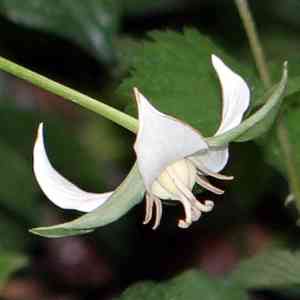
Trillium cernuum flourishes when multiplied by separation, preferably undertaken following the blooming phase when the plant exhibits reduced activity. Meticulously detaching the underground stems guarantees minimal trauma and fosters more robust regeneration. Place the separated portions in a dimly lit spot with damp, adequately draining substrate to facilitate successful root development and integration.
When Is the Optimal Time to Propagate Nodding Wakerobin?
Propagation Method
Division
Propagation Period
Spring,Autumn
What Tools Are Utilized for Nodding Wakerobin Propagation?
Garden Spade
A robust garden spade is crucial for excavating around and lifting the rhizomes of nodding wakerobin. Its sharp, flat edge efficiently cuts through soil, minimizing root damage. This tool is especially useful for safely exposing rhizomes, which can then be separated by hand or with cutters.
Rooting Hormone Powder
Applying rooting hormone powder to the severed sections of nodding wakerobin's rhizomes can greatly boost root formation during the division process. This enhances the likelihood of successful propagation by fostering healthier, more vigorous root growth, vital for the stability and vigor of newly propagated plants.
Pruning Shears
Sharp, clean pruning shears are essential for making precise cuts on nodding wakerobin's rhizomes during division. This ensures minimal harm to plant tissues, reducing stress and vulnerability to diseases. Pruning shears should be sanitized before use to prevent pathogen spread.
Watering Can with Fine Rose
Following division, newly planted sections of nodding wakerobin should be gently watered. A watering can equipped with a fine rose attachment delivers a soft, even spray of water that doesn't disturb the soil or recently planted rhizomes. Sufficient watering is critical for re-establishing divided plants and promoting initial development.
Plant Labels
Employing plant labels to mark the location of each nodding wakerobin division assists in monitoring the growth and health of every section. This is particularly beneficial for tracking the progress and success of each propagated plant, aiding in effective garden management.
How to Propagate Nodding Wakerobin?
Propagation Type
Easy
How to Care for Your Newly Propagated Nodding Wakerobin?
How to Care for Your Newly Propagated Nodding Wakerobin?
After propagating nodding wakerobin, maintain consistent moisture levels without over-saturating, as waterlogged conditions can cause root rot. Apply a layer of mulch to retain soil moisture and regulate soil temperature. Avoid direct sunlight, keeping nodding wakerobin in a shaded or partially shaded spot. Annual fertilization with a balanced, slow-release fertilizer can be beneficial. Monitor for pests and diseases, especially during the growing season, and address any issues promptly to maintain plant health.
Common Mistakes to Avoid When Propagating Nodding Wakerobin
Overharvesting rhizomes
Gardeners might be tempted to collect too many rhizomes from an existing nodding wakerobin plant, which can significantly deplete and stress the parent plant. This excessive harvesting disrupts natural growth and can lead to a weakened parent plant, reducing its lifespan and overall health.
Improper soil preparation
Using soil that does not mimic nodding wakerobin's natural forest floor environment can hinder successful propagation. Unsuitable soil compromises root development and plant health, resulting in poor growth or even plant death.
Excessive watering
While nodding wakerobin prefers moist conditions, overwatering can lead to root rot and fungal diseases, which are detrimental to the plant's health and survival.
Tips For Propagating Nodding Wakerobin
Moderate rhizome division
Practice moderate rhizome division by carefully selecting a few healthy rhizomes from the parent nodding wakerobin for propagation. Ensure each division has at least one strong bud to optimize growth potential and minimize stress on the parent plant.
Mimic natural soil conditions
Prepare a propagation bed with rich, well-draining soil mixed with organic matter such as leaf mold or compost to closely replicate the natural forest conditions preferred by nodding wakerobin. This encourages healthy root growth and plant establishment.
Maintain consistent moisture
Water the propagated plants consistently to keep the soil moist but not waterlogged, ensuring adequate drainage. This helps prevent root rot while providing the necessary moisture level that nodding wakerobin requires to thrive.



