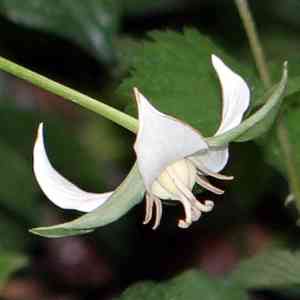
Nodding wakerobin (Trillium flexipes)
Also known as: White trillium, Declined trillium
Trillium flexipes, also known as the nodding trillium, goes by several other names such as drooping trillium, bent trillium, declined trillium, and white wakerobin. Native to Canada and the United States, this plant is cherished for its beautiful white flowers that bloom in early spring, making it a favorite for woodland gardens.
In This Article
Attributes of Nodding wakerobin
Lifespan
Perennial
Plant Type
Herb
Plant Height
30 cm to 60 cm
Spread
30 cm to 45 cm
Leaf Color
Green
Flower Size
5 cm
Flower Color
White
Images of Nodding wakerobin
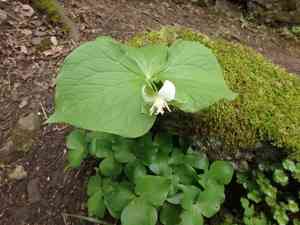
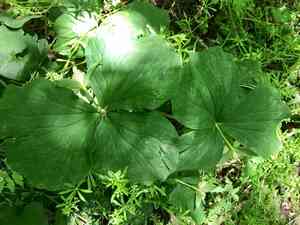
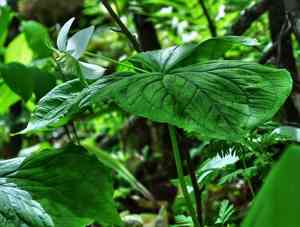

Quickly Identify Nodding wakerobin
1
Distinct three-petaled white flowers up to 3 inches (7.6 cm) long.
2
Broad green leaves, clustered at the base, reaching 4-6 inches (10-15 cm).
3
Plant grows to 12-18 inches (30-45 cm) tall, dormancy in mid-summer.
4
Light green, hairless stem, erect, 12-24 inches (30-60 cm) with no branches.
5
6-parted red berry-like capsule, dispersed by ants, ripe in July.
Scientific Classification of Nodding wakerobin
Phylum
Vascular plants
Class
Monocotyledons
Order
Liliales
Family
Bunchflower
Genus
Birthroots
Species
Nodding wakerobin
Planting and Growing of Nodding wakerobin
Care Difficulty
Easy
Watering Schedule
Every 2 days
Sunlight Requirements
Partial sun
Sunshine Duration
6-10 hours
Ideal Temperature
60-75℉
Soil Type
Potting Mix, Peat Mix
Soil pH
6.5-7.5
Fertilizer Type
Balanced
Pruning Season
Spring, Summer
Pruning Area
Branches, Leaves
Pruning Frequency
2 times a year
Repotting Season
Spring
Pot Type
Plastic, Ceramic
 How to Water Nodding wakerobin?
Trillium flexipes, needing subtle care, greatly benefits from thorough yet moderate watering. Enough so the soil is evenly moist but without pooling, resonating with its native moist woodland habitats.
What are the symptoms of an underwatered Nodding wakerobin?
›
What should I do if my Nodding wakerobin is not getting enough water?
›
What are the symptoms of an overwatered Nodding wakerobin?
›
How to save an overwatered Nodding wakerobin?
›
 What Are the Sunlight Requirements for Nodding wakerobin?
Under partial sun or full shade, Trillium flexipes receives just the right balance for robust health. Ample diffused light leads to better growth, larger blooms, and vibrant foliage.
More About Sunlight Requirements Techniques→
What is the best lighting condition for Trillium flexipes?
›
How can you ensure it gets the right amount of light?
›
What are the benefits of providing ideal lighting conditions?
›
 What Is the Ideal Temperature Range for Nodding wakerobin?
The ideal temperature range for Trillium flexipes, commonly known as the Drooping Trillium, generally falls between 60°F and 75°F. This environment allows for optimum growth, mimicking its natural woodland habitat with moderate warmth and humidity. Maintaining temperatures within this range helps ensure the plant’s growth cycle and budding are not disrupted, promoting healthy leaf and flower development.
 What Soil is Best for Nodding wakerobin?
Trillium flexipes thrives in soils that retain moisture well without becoming waterlogged. A rich loamy soil helps maintain the perfect balance, ensuring the roots remain hydrated and healthy, crucial for its growth and flower production. This plant requires soil rich in organic matter. Incorporating compost or well-decayed leaf mold can enhance the nutrient content, providing essential elements for robust growth and vibrant blooms. While moist conditions are ideal, excessive water must drain to prevent root rot. A sandy loam or well-structured clay soil offers the right conditions, balancing moisture retention and drainage effectively.
 How to Fertilize Nodding wakerobin?
When fertilizing Trillium flexipes, use a balanced 10-10-10 or 5-10-5 fertilizer. Apply liquid fertilizer at a dilution rate of 1/4 the recommended label rate to avoid over-fertilization. For slow-release granules, use about one tablespoon per plant, ensuring they are spread evenly around the base of the plant but not touching the stems.
 How to Prune Nodding wakerobin?
Look for browned or wilted leaves and stems, which may indicate disease or natural death. Carefully trim these parts without disturbing healthy foliage. This encourages robust growth in the next cycle. Make clean cuts at a 45-degree angle to prevent water from sitting on the cut surfaces, which can lead to rot. Ensure cuts are made just above a healthy leaf junction or bud.
More About Pruning Techniques→
 How to Propagate Nodding wakerobin plant?
1
Collect seeds in late spring or early summer. Clean them by removing any pulp. It is beneficial to scarify seeds slightly to encourage germination.
2
In late spring, carefully dig up mature plants and use a sterilized sharp knife to divide the rhizomes. Ensure each division has a portion of the rhizome and a growing tip.
3
Plant seeds or divisions in a well-draining potting mix, ensuring they remain moist but not waterlogged. Place them in a shaded area to mimic natural conditions.
 How to Repot Nodding wakerobin plant?
1
Trillium flexipes signals its need for repotting when you notice a slowdown in growth or when roots emerge from the drainage holes. Ideally, repotting is done in spring when new growth is just beginning, ensuring a smooth transition.
2
Select a pot that is one size larger than the current one, ensuring it has ample drainage holes. This encourages healthy root development and prevents water-logging, essential for maintaining the plant’s vitality and preventing root rot.
3
For Trillium flexipes, choose a well-drained, loamy soil mix. Such soil provides an optimal balance of moisture retention and drainage, ensuring the plant's roots have access to both air and water.
Toxicity
Ingestion
WARNING
The judgment on toxicity and danger is for reference only. We DO NOT GUARANTEE any accuracy of such judgment. Therefore, you SHALL NOT rely on such judgment. It is IMPORTANT TO SEEK PROFESSIONAL ADVICE in advance when necessary.
Learn More About Nodding wakerobin Diseases
Anthracnose
Bacterial Leaf Spot
Bacterial Soft Rot
Bacterial Wilt
Black Spot
Chemical Injury
Crown Gall
Cyst Nematode
Damping-off
Downy Mildew
Drought Stress
Fusarium Wilt
Gray Mold
Leaf Curl
Leaf Spot
Mosaic
Nutrient Deficiency
Nutrient Toxicity
Powdery Mildew
Root Rot
Root-knot Nematode
Rusts
Sooty Mold
Spider Mites
Temperature Stress
Thrips Damage
White Mold



