How to Propagate Rancheria clover?
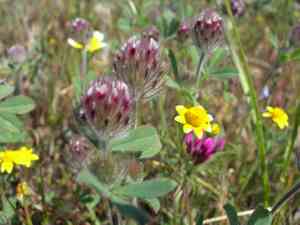
Rancheria clover, a member of the Fabaceae family, is recognized for its diminutive, fragile blossoms. Optimal propagation entails planting seeds directly into adequately draining earth. Keep the soil damp yet not oversaturated. Lightly cover the seeds and sustain steady humidity until sprouting occurs. Cultivating in conditions ranging from partial to full sunlight maximizes development. Think about treating seeds with Rhizobium bacteria to improve nitrogen absorption and elevate the plant's general well-being.
Optimal Time for Rancheria Clover Propagation
Propagation Type
Sowing
Propagation Season
Spring
Tools for Rancheria Clover Propagation
Seed Trays
Utilize seed trays to initiate rancheria clover seeds. These containers offer a controlled setting for germination, ensuring uniform spacing and proper drainage for the seeds.
Seedling Heat Mat
A seedling heat mat assists in maintaining a consistent, warm temperature for rancheria clover seeds, which can speed up germination and enhance success rates.
Humid Dome
A humid dome placed over the seed trays helps retain moisture and establish a humid environment, which is crucial for the germination of rancheria clover seeds.
Seed Compost
Employ a well-draining seed compost to fill the seed trays. This medium provides the ideal balance of nutrients and aeration, fostering healthy seedling development for rancheria clover.
Mister or Spray Bottle
A mister or spray bottle is vital for gently moistening the soil without displacing rancheria clover seeds. Consistent misting keeps the seed compost damp but not saturated.
Labeling Stakes
Labeling stakes are important for tracking rancheria clover seeds, especially when multiple plant varieties are being propagated simultaneously.
Seed Dibber
A seed dibber is useful for creating small indentations in the seed tray to plant rancheria clover seeds at the correct depth, which is essential for proper germination.
Sterile Gardening Gloves
Wearing sterile gardening gloves when handling rancheria clover seeds and soil minimizes the risk of introducing contaminants that could affect seedling health and viability.
How to Propagate Rancheria Clover?
Propagation Type
Easy
Caring for Your Newly Propagated Rancheria Clover
Caring for Your Newly Propagated Rancheria Clover
Post-propagation, rancheria clover needs consistent watering to keep the soil moist but not waterlogged. Provide partial to full sunlight and ensure good air circulation to prevent fungal diseases. Regularly inspect for pests and address them promptly. Fertilize the plants lightly with a balanced fertilizer every few weeks to support healthy growth. Trim back any dead or overgrown foliage to encourage a dense and healthy structure.
Common Mistakes to Avoid When Propagating Rancheria Clover
Overwatering
Excessive watering can lead to root rot and fungal diseases, compromising plant health.
Inadequate drainage
Poorly draining soil can also cause root rot and negatively affect root development.
Improper soil selection
Using unsuitable soil that does not match the plant's preference can hinder growth.
Crowded spacing
Planting too close together can limit space and resources, leading to poor establishment and growth.
Neglecting pests and diseases
Failing to monitor for and manage pest and disease issues can result in poor plant health and propagation failure.
Tips For Propagating Rancheria Clover
Well-draining soil
Use sandy or loamy soil that drains well to prevent waterlogging and root health issues.
Moderate watering
Water moderately and allow the soil to dry out slightly between waterings to avoid overwatering.
Adequate spacing
Provide ample space between plants to ensure each one has enough light, water, and nutrients.
Monitor pests and diseases
Regularly inspect plants for signs of pests and diseases and take appropriate action if needed.
Use quality seeds or cuttings
Ensure you use healthy, viable seeds or cuttings to increase the chances of successful propagation.



