How to Propagate Glory of texas?
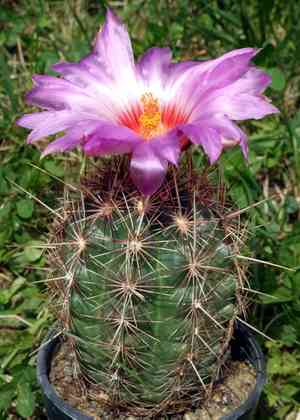
Glory of texas flourishes when reproduced via the seeding technique. To achieve successful sprouting, guarantee a soil blend that drains effectively, commonly advised for succulents, to prevent moisture accumulation that could cause root decay. Position the seeds atop the soil and gently conceal them with a thin stratum of sand or earth. Sustain a steady level of dampness without excessive watering, and supply abundant illumination, mimicking their native dry habitat to foster robust development.
Optimal Time for Glory Of Texas Propagation
Propagation Method
Seeding
Propagation Period
Spring
Tools for Glory Of Texas Propagation
Seed Tray
Seed trays are vital for planting glory of texas seeds. They enable uniform distribution and separation of seeds, promoting ideal spacing for good air circulation and reducing fungal disease risk. Additionally, the confined space helps maintain consistent soil moisture, crucial for successful glory of texas germination.
Sterile Potting Mix
Employing a sterile potting mix helps prevent pathogen introduction that could negatively impact glory of texas germination and early growth. The mix should drain well yet retain sufficient moisture to support glory of texas during germination.
Fine Vermiculite
Vermiculite greatly benefits glory of texas by improving soil aeration and moisture retentionâkey factors for seed germination. It also offers a stable germination medium, reducing soil compaction that could hinder seedling growth.
Misting Bottle
A misting bottle is essential for gently watering glory of texas seeds. Its use ensures seeds and seedlings stay moist without disturbance from heavy water flow, which could expose seeds or dislodge new roots.
How to Propagate Glory Of Texas?
Propagation Type
Simple
Caring for Newly Propagated Glory Of Texas
Caring for Newly Propagated Glory Of Texas
Post-germination, gradually expose young glory of texas to drier conditions by removing covers and reducing watering frequency. Provide bright, indirect sunlight, proper airflow, and protect from extreme temperatures. As they mature, transplant into larger pots with similar soil, and continue watering when the soil feels dry. Maturity is indicated by typical glory of texas characteristics like vibrant, bi-color appearance.
Common Propagation Errors for Glory Of Texas
Overwatering
Excessive watering can cause root rot in glory of texas, as its roots need dry periods between watering. This error impairs root health, potentially killing the plant.
Using non-draining soil
Employing soil that lacks proper drainage can trap moisture around glory of texas's roots, worsening issues like fungal growth and root rot, which are detrimental to its overall health and propagation success.
Excessive handling of seeds or seedlings
Too much touching or movement can harm the delicate structures of glory of texas seeds or seedlings, leading to poor growth or failure to thrive.
Ignoring light requirements
Glory of texas needs ample light, especially during propagation. Neglecting this can result in leggy, weak seedlings with reduced survival rates.
Tips For Propagating Glory Of Texas
Use well-draining soil
Choose a cactus mix or add sand and perlite to improve drainage. Good drainage is vital to prevent moisture-related problems and encourage healthy root development for glory of texas.
Provide ample light
Ensure glory of texas receives plenty of light, crucial for healthy growth and flowering. Adequate light exposure strengthens glory of texas by boosting its photosynthetic efficiency.
Moderate watering post-propagation
After planting glory of texas seeds or offsets, water moderately to establish initial moisture, but allow the soil to dry between watering sessions to prevent overly moist conditions.
Handle with care
When sowing seeds or moving seedlings, gentle handling is essential. Avoid compacting the soil and minimize disturbance to roots and seeds to promote better rooting and growth.



