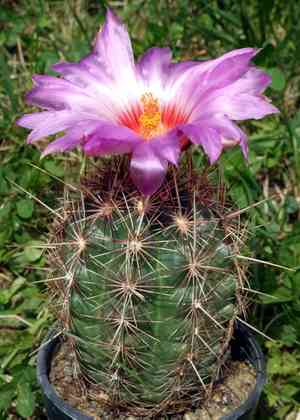
Glory of texas (Thelocactus bicolor)
Also known as: Straw Spine Cactus, Toothpick cactus
Thelocactus bicolor, commonly known as Glory of Texas, is a perennial cactus native to the deserts of southern North America, especially Texas and Mexico. It is popular for its striking, colorful flowers. For optimal growth, it needs warm, sunny, and dry conditions. Typically found growing alone in nature, it can also occasionally form small clusters.
In This Article
Attributes of Glory of texas
Lifespan
Perennial
Plant Type
Succulent
Plant Height
50 cm
Spread
10 cm
Leaf Color
Green (modified into spines)
Flower Size
3-5 cm
Flower Color
Purple Pink
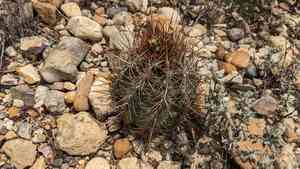
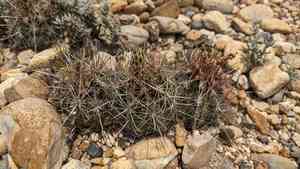
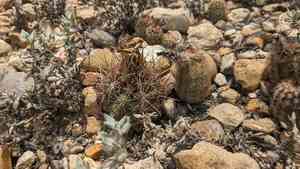
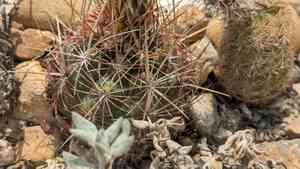
Images of Glory of texas
Quickly Identify Glory of texas
1
Identify Thelocactus bicolor by its cylindrical to somewhat globose stem which is ribbed and adorned with prominent spines. The large, showy flowers, usually pink with a darker pink to magenta center, are another distinctive feature.
Scientific Classification of Glory of texas
Phylum
Vascular plants
Class
Dicotyledons
Order
Caryophyllales
Family
Cactuses
Genus
Thelocactus
Species
Glory of texas
Planting and Growing of Glory of texas
Care Difficulty
Easy
Watering Schedule
Every 2 days
Sunlight Requirements
Full sun
Sunshine Duration
6-10 hours
Ideal Temperature
70-85℉
Soil Type
Potting Mix, Peat Mix
Soil pH
6.5-7.5
Fertilizer Type
Balanced
Pruning Season
Spring, Summer
Pruning Area
Branches, Leaves
Pruning Frequency
2 times a year
Repotting Season
Spring
Pot Type
Plastic, Ceramic
 How to Water Glory of texas?
For Thelocactus bicolor, it's important to water thoroughly but sparingly. Ensure the soil is completely dry between waterings. Watering until the soil is evenly moist is key, but avoid waterlogging to prevent root rot.
What are the symptoms of an underwatered Glory of texas?
›
What should I do if my Glory of texas is not getting enough water?
›
What are the symptoms of an overwatered Glory of texas?
›
How to save an overwatered Glory of texas?
›
 What Are the Sunlight Requirements for Glory of texas?
Thelocactus bicolor thrives in full sun to partial sun conditions, ideally receiving 6 to 8 hours of sunlight. Adequate light enhances photosynthesis, promotes flowering, and maintains strong structural integrity, contributing to the cactus's robustness.
More About Sunlight Requirements Techniques→
What is the ideal lighting setup for Thelocactus bicolor?
›
How can I ensure my Thelocactus bicolor receives adequate light indoors?
›
What are the benefits of proper lighting for Thelocactus bicolor?
›
 What Is the Ideal Temperature Range for Glory of texas?
Thelocactus bicolor thrives best when maintained in temperatures ranging from 70°F to 85°F. This range allows the cactus to photosynthesize efficiently, ensuring robust growth and vibrant blooms. Maintaining consistent temperatures within this range encourages healthy metabolism and minimizes stress.
 What Soil is Best for Glory of texas?
Thelocactus bicolor thrives in well-draining soil to prevent root rot. Ensuring drainage is essential, as it simulates its natural arid habitat, allowing excess water to escape and keeping the roots healthy and aerated. This cactus favors slightly alkaline conditions, so ensuring the soil pH is between 6.5 to 7.5 is beneficial. This range helps the plant absorb essential nutrients more efficiently, promoting vibrant growth. Thelocactus bicolor can flourish in nutrient-poor soil, which reflects its native environment. Overly rich soil can lead to rapid but weak growth, increasing susceptibility to pests and diseases.
 How to Fertilize Glory of texas?
Thelocactus bicolor is a cactus that benefits from a modest amount of fertilizer. It is important not to overdo it, as cacti generally thrive in nutrient-poor environments. For liquid fertilizers, use a balanced cactus food diluted to half strength. For example, a concentration of 1/4 strength recommended for typical houseplants would suffice. Solid fertilizers like slow-release granules should be used sparingly, at a rate of approximately 1 teaspoon per square foot of soil surface.
 How to Prune Glory of texas?
Before pruning, inspect Thelocactus bicolor for any dead or damaged areas. Use your fingers to gently feel the surface, looking for any soft, mushy sections that may need removal. Use a sterilized knife or pair of scissors to make clean cuts. Aim to cut as close to the base of the damaged section as possible without harming the main body of the cactus. Clean cuts heal more efficiently and minimize the chances of disease. After pruning, place the cactus in a location where it can heal. Ensure proper sunlight and refrain from excessive watering during the recovery period to prevent rot.
 How to Propagate Glory of texas plant?
1
Start by filling a shallow tray with the sterile potting mix. Scatter the seeds on the surface and lightly cover them with a thin layer of sand or the same potting mix. Ensure they are evenly spread out to allow room for growth.
2
Cover the tray with a plastic lid or transparent film to create a moist environment. This helps in keeping the humidity high, which is crucial for successful germination of Thelocactus bicolor seeds.
3
For grafting, select a suitable stock plant. Clean the tools to avoid infection and carefully make a diagonal cut on both the scion (Thelocactus bicolor) and the stock. Ensure they fit snugly and secure them together with grafting tape.
 How to Repot Glory of texas plant?
1
Thelocactus bicolor shows signs of needing a new pot when roots start poking out from the bottom, the growth slows, or the soil drains poorly. Ideally, repot in the warmer months when the plant is actively growing to minimize stress.
2
Choose a pot that's only slightly larger than the current one to prevent excessive soil moisture. It should have adequate drainage holes. Using terracotta pots helps to wick away excess moisture, reducing the risk of root rot.
3
Opt for a gritty, well-draining cactus soil mix. This type of soil ensures that water doesn't stay in contact with the roots for too long, which is crucial for preventing root rot and promoting healthy root growth.



