How to Propagate Sterculia ceramica?
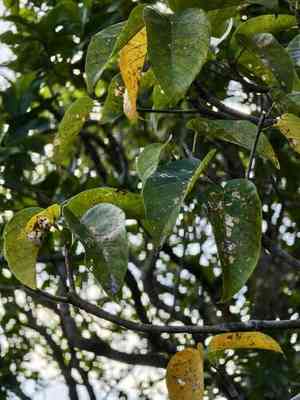
Sterculia ceramica thrives in adequately draining soil and needs steady hydration for peak development. Replicate sterculia ceramica by utilizing stem sections, making sure they originate from robust stalks and are situated in a rooting substrate to foster root formation. Sustain elevated atmospheric moisture levels around the stem sections to aid in rooting and avert desiccation. Periodically inspect the stem sections and progressively introduce them to reduced humidity as their root systems become established.
When Is the Optimal Time to Propagate Sterculia Ceramica?
Propagation Type
Cutting
Propagation Season
Autumn,Winter
What Equipment Is Used for Sterculia Ceramica Propagation?
Pruning Shears
Pruning shears are vital for taking precise, clean cuttings from sterculia ceramica. These tools minimize harm to the parent plant and ensure cuttings are well-formed for successful rooting.
Rooting Hormone
Rooting hormone promotes rapid root growth on sterculia ceramica cuttings. It enhances the natural rooting process, increasing the likelihood of successful propagation and robust plant establishment.
Sterile Work Surface
A sterile work surface helps prevent disease and pest transmission to sterculia ceramica cuttings, ensuring a healthy, uncontaminated start for young plants.
Propagation Trays
Propagation trays are used to organize and support sterculia ceramica cuttings. These trays facilitate proper drainage and aeration, crucial for root development and preventing decay.
Humidity Dome
A humidity dome maintains a high moisture environment around sterculia ceramica cuttings. This reduces water loss through transpiration, supporting cuttings until roots are established.
Spray Bottle
A spray bottle is useful for maintaining moisture levels around sterculia ceramica cuttings without over-saturating the medium. It offers precise watering control, critical in early propagation stages.
Heat Mat
A heat mat provides consistent warmth to sterculia ceramica cuttings, stimulating faster root growth. This tool is especially beneficial in cooler climates or seasons.
Sharp Knife
A sharp knife is used for making precise cuts when taking cuttings from sterculia ceramica. It helps achieve clean cuts, reducing tissue damage and promoting quicker healing and root initiation.
Disinfectant Solution
Disinfectant solution is needed to sterilize tools and work surfaces before and after use with sterculia ceramica. This practice helps prevent pathogen spread and maintains plant health.
How to Propagate Sterculia Ceramica?
Propagation Type
Moderately Difficult
How to Care for Your Newly Propagated Sterculia Ceramica?
How to Care for Your Newly Propagated Sterculia Ceramica?
Once cuttings have developed a strong root system, transfer them to individual pots with a well-draining soil mix. Initially, keep them in a shaded area, gradually exposing them to more light until they adapt to full sunlight. Maintain consistent watering, allowing the soil to dry between waterings to prevent root rot. Regularly check for pests and diseases, and provide balanced fertilizer during the growing season to support healthy growth.
Common Mistakes to Avoid When Propagating Sterculia Ceramica
Overwatering
Excessive water can lead to root rot, hindering root development and potentially killing the plant.
Incorrect Soil Type
Using soil that lacks proper drainage can suffocate roots and impede growth.
Poor Light Conditions
Insufficient light reduces photosynthesis, weakening the plant and slowing propagation.
Inadequate Temperature Control
Temperature extremes can stress the plant, inhibiting root formation and overall growth.
Improper Cutting Management
Taking cuttings that are too small or handled incorrectly can result in unsuccessful rooting or plant failure.
Tips For Propagating Sterculia Ceramica
Use Well-Draining Soil
Ensure the soil mix allows for adequate drainage to prevent waterlogging and root rot.
Maintain Optimal Moisture
Keep the soil consistently moist but not waterlogged to promote healthy root development.
Provide Sufficient Light
Place the plant in a location with bright, indirect sunlight to boost photosynthesis and growth.
Regulate Temperature
Maintain a stable temperature, ideally between 20-25°C, to create an optimal environment for rooting.
Handle Cuttings Properly
Use sterilized tools to take cuttings of appropriate size, and ensure they have at least one node for successful rooting.



