How to Propagate Yellow willow?
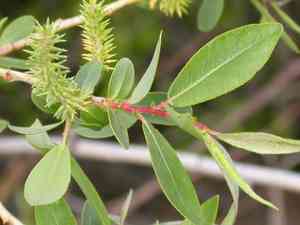
Salix lutea, recognized for its vivid yellow bark, flourishes most effectively when reproduced via cuttings. For peak outcomes, choose robust, youthful shoots during the latter part of the dormant phase and divide them into segments. Confirm that every segment possesses a minimum of two buds. Insert the cuttings into damp, adequately draining substrate and sustain uniform hydration until root systems develop, thereby encouraging vigorous development.
Optimal Period for Yellow Willow Propagation
Propagation Method
Cutting
Propagation Period
Autumn,Winter
Tools Required for Yellow Willow Propagation
Sharp Pruning Shears
These are vital for obtaining clean, precise cuts from yellow willow. Sharp blades ensure a smooth incision, preventing stem tissue damage, which is crucial for rapid and effective wound healing. This helps deter disease and encourages better root formation.
Rooting Hormone
This substance assists in accelerating the development of roots from yellow willow cuttings. Dipping the base of the cuttings into a rooting hormone significantly boosts the likelihood of successful root establishment, which is key for robust new plant growth.
Sterile Potting Mix
A well-draining, nutrient-rich potting medium offers an ideal setting for yellow willow root growth from cuttings. The sterility of the mix guarantees the absence of pathogens that could harm the vulnerable cuttings.
Humidity Dome
This device helps maintain consistent moisture levels around new yellow willow cuttings, protecting them from dehydration during the critical initial stages of root development. Consistent humidity is essential for promoting root growth without the stress of water loss.
Propagating Yellow Willow: A Guide
Propagation Difficulty
Moderately Difficult
Post-Propagation Care for Your Yellow Willow
Post-Propagation Care for Your Yellow Willow
Once yellow willow cuttings have rooted and exhibit new growth, gradually reduce watering frequency to prevent waterlogging. Continue to shield young plants from harsh weather. Lightly fertilize with a balanced, slow-release product at the start of each growing season. Regular trimming helps maintain a desirable shape and healthy development.
Common Errors to Avoid When Propagating Yellow Willow
Overwatering
Excessive moisture can lead to root rot, as yellow willow prefers damp but well-drained soil. Saturated conditions can suffocate roots, hindering proper growth.
Incorrect Soil Type
Using soil that lacks proper drainage can impede root development. Yellow willow requires a well-draining medium to thrive; dense or clay-heavy soils can obstruct this, causing root problems.
Neglecting Cuttings Care
Failing to properly care for cuttings, such as not keeping them moist or allowing them to dry out, can significantly decrease the success rate of propagation.
Improper Cutting Technique
Using dull or unclean tools can damage plant tissues, leading to infections and poor cutting success. Clean, sharp tools are vital to minimize harm.
Advice for Propagating Yellow Willow
Utilize Well-Draining Soil
Ensure the soil or propagation medium drains effectively to prevent waterlogging, which can cause root rot and other moisture-related issues.
Keep Cuttings Moist
Maintain a consistently moist environment for cuttings without overwatering. Use misting to provide humidity and prevent the cuttings from drying out.
Sterilize Tools
Always use clean, sharp tools for taking cuttings to prevent infections. Sterilize tools before use to ensure the plant's safety and health.
Select Healthy Donor Plants
Choose robust, healthy plants for cuttings to increase the propagation success rate. Ensure the donor plant is free of pests and diseases.



