The Yellow willow Plant Advantage: Maximizing Home and Office Appeal and Wellness
1
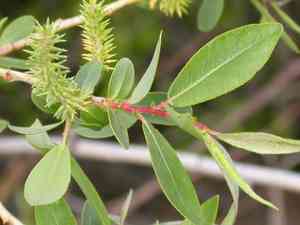
Yellow willow is recognized for its excellent ability to prevent soil erosion.
2
The root system of Yellow willow enhances soil stability, contributing to its well-being.
3
Yellow willow provides a crucial living space for a diverse range of animal life.
Why is Yellow willow Crucial for Erosion Control?
Efficient Ground Stabilization
Yellow willow possesses an extensive root network that deeply penetrates the earth, binding it together and lessening the risk of soil erosion. This characteristic makes it an ideal plant for placement on inclines or areas susceptible to soil degradation. By firming up the ground, Yellow willow aids in preventing the loss of valuable topsoil, which is vital for maintaining soil fertility and productivity.
Natural Defense Against Water Runoff
Beyond stabilizing the soil, Yellow willow acts as a natural barrier against water flow. The plant's dense leaves slow down the movement of water, allowing it to seep into the ground instead of washing away the topsoil. This process not only helps preserve the soil's integrity but also contributes to replenishing underground water sources.
How Does Yellow willow Enhance Soil Health?
Nutrient Circulation
Yellow willow contributes to the nutrient cycling process by breaking down organic matter and returning nutrients to the soil. This fosters a healthier and more productive soil environment, which in turn supports the growth of other vegetation. The presence of Yellow willow can boost microbial activity in the soil, leading to improved nutrient availability and overall soil well-being.
Improvement of Soil Structure
The root system of Yellow willow not only stabilizes the soil but also enhances its composition. As roots grow and decay, they create channels in the soil that improve aeration and water absorption. This enhanced soil structure is beneficial for the growth of other plants, making Yellow willow an excellent choice for permaculture and eco-friendly gardening practices.
What Role Does Yellow willow Play in Supporting Wildlife?
Habitat Creation
Yellow willow offers a vital habitat for a variety of animal species. Birds, insects, and small mammals find refuge and sustenance within the dense branches and foliage of this plant. By planting Yellow willow in your garden, you can attract and support local biodiversity, creating a more balanced and flourishing ecosystem.
Pollinator Assistance
The blossoms of Yellow willow are a valuable resource for pollinators such as bees and butterflies. By providing nectar and pollen, Yellow willow helps sustain these crucial insects, which are essential for the pollination of many other plants. Supporting pollinators in your garden can lead to increased plant diversity and better crop yields.
Can Yellow willow Be Utilized for Sustainable Landscaping?
Low Upkeep Requirements
Yellow willow is a resilient plant that demands minimal care once established. Its adaptability to various soil types and conditions makes it an ideal choice for sustainable landscaping. By incorporating Yellow willow into your garden, you can reduce the need for irrigation, fertilizers, and other inputs, thereby minimizing your environmental impact.
Visual Appeal
In addition to its ecological advantages, Yellow willow adds aesthetic value to your garden. Its attractive foliage and graceful form can be used to create visually pleasing landscapes. Whether used as a standalone feature or combined with other plants, Yellow willow can enhance the beauty of your outdoor space while providing numerous environmental benefits.



