How to Propagate Leatherleaf fern?
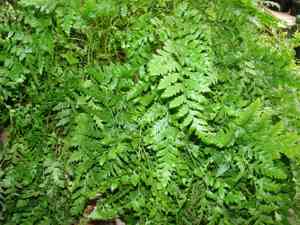
A favored option for floral displays, Rumohra adiantiformis can be effectively multiplied using the cutting technique. Select robust, unblemished fronds for propagation, making sure each possesses a minimum of two mature pinnae. The cuttings ought to be placed in a substrate comprising peat and perlite to hold moisture while ensuring adequate water flow, which is vital for root formation. Keep the growing medium damp and supply diffused illumination until fresh shoots signal successful establishment. To encourage peak development, sustain a moist atmosphere beneficial for ferns.
Optimal Time for Leatherleaf Fern Propagation
Propagation Method
Cutting
Propagation Period
Spring,Summer
Tools Required for Leatherleaf Fern Propagation
Sharp Pruning Shears
Crucial for making clean, precise cuts on leatherleaf fern, sharp pruning shears minimize harm to the parent plant and lower infection risk. Clean cuts boost rooting success by preventing tissue tearing, which could cause disease.
Rooting Hormone Powder
Utilized to encourage root development in leatherleaf fern cuttings. Dipping the cut end into rooting hormone promotes faster root initiation, vital for establishing robust new plants.
Sterile Potting Mix
A sterile potting mix ensures leatherleaf fern cuttings are planted in a disease-free environment, reducing contamination risk and fostering healthier root growth. The mix should offer good drainage while retaining enough moisture for growth without waterlogging.
Propagation Tray
Designed to hold multiple cuttings, the propagation tray creates an organized propagation setting. It allows for efficient spacing of leatherleaf fern's cuttings and helps maintain necessary humidity levels, crucial for encouraging root growth.
Humidity Dome
Placing a humidity dome over the propagation tray helps maintain high humidity around leatherleaf fern's cuttings. This tool is essential as it prevents delicate new shoots from drying out, especially in dry or controlled environments, thereby improving survival rates during critical root development.
How to Propagate Leatherleaf Fern?
Propagation Type
Easy
Caring for Your Newly Propagated Leatherleaf Fern
How to Care for Your Newly Propagated Leatherleaf Fern?
Post-propagation, maintain high humidity through regular misting and ensure the soil stays moist. Avoid overwatering to prevent root rot. Position the leatherleaf fern in indirect light and provide a consistent, cool to moderate temperature range. Fertilize sparingly during the growing season with a balanced, water-soluble fertilizer to support healthy development. Periodically check for pests like mealybugs and treat as needed.
Common Errors to Avoid When Propagating Leatherleaf Fern
Insufficient humidity
Leatherleaf fern propagation demands high humidity. A lack of moisture can lead to desiccation and failure of frond development.
Overwatering
While leatherleaf fern thrives in moist conditions, excessive watering can cause root rot and fungal diseases, detrimental to its health.
Using old fronds
Propagators might mistakenly use older, less vigorous fronds for spores, resulting in poor germination rates.
Insufficient cleanliness
Failing to sterilize tools or use fresh propagation media can introduce pathogens, hindering the growth of leatherleaf fern.
Poor spore selection
Choosing spores from unhealthy fronds can lead to low viability and germination rates.
Inadequate light
Incorrect lighting can impede spore germination and frond development. Too much light dries out spores, while too little light can weaken leatherleaf fern.
Tips For Propagating Leatherleaf Fern
Humidity control
Maintain high humidity using a humidity dome or misting to ensure successful spore germination.
Watering practice
Water leatherleaf fern with a fine mist to keep the soil moist but not waterlogged, thus preventing root rot.
Spore source
Select fresh, vibrant fronds as a spore source to optimize germination rates.
Equipment sanitization
Sterilize propagation tools and use fresh soil or a sterile propagation medium to prevent disease.
Balanced lighting
Provide diffuse, bright, indirect light for successful growth without drying out or weakening the spores and young ferns.
Spore sowing
Sow spores evenly on the surface of a peat-based or finely milled propagation medium to avoid clumping and ensure even growth.



