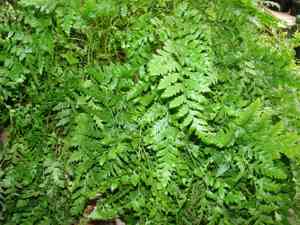
Leatherleaf fern (Rumohra adiantiformis)
Also known as: Leathery Shieldfern, Leather fern, 7-weeks-fern
The Leatherleaf Fern (Rumohra adiantiformis) is an evergreen fern that can reach 91 cm in both height and width. Its dark green, leathery fronds are ideal for providing a lush backdrop in shaded garden areas. This fern flourishes in environments with partial shade to partial sunlight and is excellent for use in floral arrangements.
In This Article
Attributes of Leatherleaf fern
Lifespan
Perennial
Plant Type
Herb
Plant Height
1.5 m
Spread
1 m
Leaf Color
Green
Flower Size
N/A
Flower Color
N/A
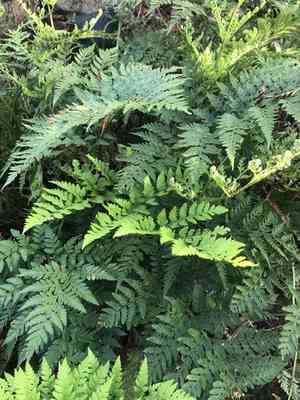
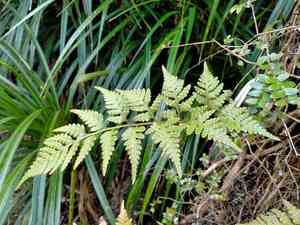
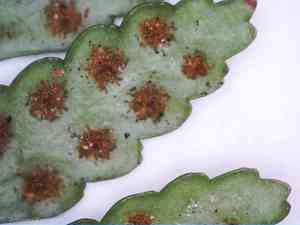
Images of Leatherleaf fern
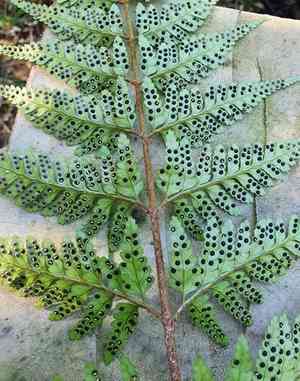
Quickly Identify Leatherleaf fern
1
Leatherleaf Fern can be identified by its dark green, glossy, and leathery fronds. The fronds are usually triangular and have a fine texture with a feathery appearance. The plant is also known for its robustness and long-lasting nature, even after being cut.
Scientific Classification of Leatherleaf fern
Phylum
Vascular plants
Class
Ferns
Order
Polypodiales
Family
Wood fern
Genus
Leatherleaf ferns
Species
Leatherleaf fern
Planting and Growing of Leatherleaf fern
Care Difficulty
Easy
Watering Schedule
Every 3 days
Sunlight Requirements
Partial sun
Sunshine Duration
6-8 hours
Ideal Temperature
65-75℉
Soil Type
Potting Mix, Peat Mix
Soil pH
6.5-7.5
Fertilizer Type
Balanced
Pruning Season
Spring, Summer
Pruning Area
Branches, Leaves
Pruning Frequency
2 times a year
Repotting Season
Spring
Pot Type
Plastic, Ceramic
 How to Water Leatherleaf fern?
Rumohra adiantiformis prefers moderate moisture levels. Ensure the soil is evenly damp but not waterlogged, allowing the top layer to dry out slightly between watering sessions to maintain optimal health.
What are the symptoms of an underwatered Leatherleaf fern?
›
What should I do if my Leatherleaf fern is not getting enough water?
›
What are the symptoms of an overwatered Leatherleaf fern?
›
How to save an overwatered Leatherleaf fern?
›
 What Are the Sunlight Requirements for Leatherleaf fern?
Rumohra adiantiformis thrives best in partial shade to full shade, benefiting from indirect or dappled sunlight. This environment helps maintain lush, green foliage, promoting hydration and minimizing stress.
More About Sunlight Requirements Techniques→
Perfect Location
›
Artificial Light Solutions
›
Seasonal Adjustments
›
 What Is the Ideal Temperature Range for Leatherleaf fern?
The ideal temperature range for Rumohra adiantiformis, commonly known as the leatherleaf fern, is between 65°F and 75°F. This range ensures optimal growth and health, as it mimics the plant's native subtropical environments. Maintaining temperatures within this range helps promote robust foliage and prevents stress on the plant.
 What Soil is Best for Leatherleaf fern?
Rumohra adiantiformis thrives in nutrient-rich soils that provide essential minerals for its lush, dark green fronds. This condition promotes healthy growth and increases the plant's resilience against environmental stress. Adequate drainage is crucial for Rumohra adiantiformis to prevent root rot and other waterlogged soil issues. By ensuring water can escape easily, the plant enjoys an oxygen-rich root environment, fostering robust root systems. While it's important that soil retains some moisture to keep Rumohra adiantiformis hydrated, it shouldn't stay soggy. Moist, not saturated, conditions ensure the roots have consistent access to water without suffocation.
 How to Fertilize Leatherleaf fern?
For Rumohra adiantiformis, use a balanced liquid fertilizer diluted to half-strength during the growing season. Apply approximately 100 ml of this solution to each plant, ensuring even distribution around the root zone for optimal absorption.
 How to Prune Leatherleaf fern?
Begin pruning by looking for any dead or yellowing leaves. Use your pruners to cut these leaves down to the base where they meet the stem. Always cut at a slight angle to prevent water from pooling on the cut surface. To encourage a fuller, bushier plant, consider trimming back some of the newer growth, too. Cut just above the next lower set of leaves to promote branching. This will help your fern develop a dense, lush look.
More About Pruning Techniques→
 How to Propagate Leatherleaf fern plant?
1
Begin by selecting a well-draining growing medium. Mix peat moss and perlite in equal parts. Ensure that the medium is moist but not waterlogged to facilitate optimal germination conditions for the seeds.
2
Scatter the spores or seeds evenly over the surface of the growing medium. Press them gently into the surface without burying them deep, as light is often required for germination. Cover the tray with a clear lid to maintain humidity.
3
When using division propagation, carefully uproot the plant and gently separate it into sections, ensuring each section has roots attached. Use sterilized pruning shears to cut sections, and plant them immediately in prepared containers.
 How to Repot Leatherleaf fern plant?
1
You should consider repotting Rumohra adiantiformis when you notice roots growing out of the drainage holes. Another signal is when the growth has slowed during the growing season, indicating the plant may be root-bound and needs more space.
2
Select a pot that is one size larger than the current one, ensuring it has adequate drainage holes. A slightly larger pot allows the roots to expand without risking the plant becoming waterlogged, promoting healthier growth.
3
Opt for a high-quality potting mix that retains some moisture but also drains well. This helps maintain the right balance of water and air in the soil, preventing root rot while ensuring the plant has enough moisture to thrive.
Learn More About Leatherleaf fern Diseases
Anthracnose
Bacterial Leaf Spot
Black Spot
Chemical Injury
Damping-off
Downy Mildew
Drought Stress
Fusarium Wilt
Gray Mold
Leaf Curl
Leaf Spot
Mosaic
Nutrient Deficiency
Nutrient Toxicity
Powdery Mildew
Root Rot
Root-knot Nematode
Rusts
Sooty Mold
Spider Mites
Temperature Stress
Thrips Damage
White Mold



