How to Propagate Corn buttercup?
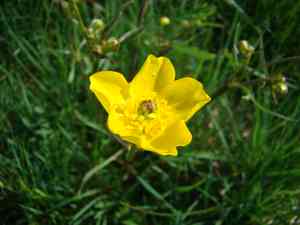
Ranunculus arvensis is a wild plant frequently encountered in cultivated areas and disrupted ground. For reproduction, broadcasting seeds is the favored technique. To guarantee successful development, disperse the seeds uniformly across a meticulously prepared seedbed that is devoid of weeds and possesses fine, friable soil. Gently rake the earth to blanket the seeds with a slender stratum of soil, which assists in retaining humidity and supplying the requisite darkness for sprouting. Maintain consistent dampness in the soil until emergence takes place. It is crucial to avert excessive saturation, as Ranunculus arvensis does not flourish in excessively wet environments. Pruning may be required as young plants mature to avert congestion and foster vigorous development.
Optimal Time for Corn Buttercup Propagation
Propagation Method
Seeding
Propagation Period
Spring
Tools for Corn Buttercup Propagation
Seed trays
Seed trays are vital for encouraging efficient germination by offering a controlled setting for corn buttercup seeds. These trays help maintain consistent soil moisture and temperature, essential for successful corn buttercup germination. Their shallow depth is particularly useful for monitoring growth and ensuring delicate corn buttercup seedlings aren't overwhelmed by too much soil.
Fine Vermiculite
Fine vermiculite is used for lightly covering corn buttercup seeds after planting. Its primary role is to keep sufficient moisture around the seeds, boosting germination rates. Vermiculite's aeration properties also prevent soil compaction, helping the fine roots of seedlings easily penetrate the soil and establish a strong root system. This ensures better survival and growth during the critical early stages of corn buttercup development.
Watering can with a fine rose attachment
This tool is essential for gently watering corn buttercup seeds without dislodging them. The fine rose attachment distributes water evenly in a soft spray, preventing soil erosion or seed washout. Consistent, gentle watering is crucial for corn buttercup seeds, helping them stay hydrated and increasing their chances of developing into healthy plants.
Peat-free seed compost
A specialized peat-free seed compost is recommended to provide an ideal growing medium for corn buttercup seeds. This compost typically contains a balanced nutrient mix suitable for seed germination and is eco-friendly. It supports the early growth phase of corn buttercup by ensuring young roots encounter minimal soil resistance and can readily access nutrients, which is vital for plant vigor and health.
How to Propagate Corn Buttercup
Propagation Type
Simple
Caring for Newly Propagated Corn Buttercup
Caring for Newly Propagated Corn Buttercup
After propagation, corn buttercup needs consistent care to flourish. Keep the soil moist, especially during dry periods, and apply a general-purpose fertilizer monthly during the growing season for essential nutrients. Additionally, keep the area around corn buttercup weed-free and provide support if the plant shows signs of leaning or weak stems. In colder climates, mulch around the plants in fall for winter protection.
Common Propagation Mistakes for Corn Buttercup
Overwatering
Excessive watering of corn buttercup can lead to root rot and fungal diseases, harming root health and reducing the plant's ability to absorb nutrients effectively.
Deep planting
Planting corn buttercup seeds or seedlings too deeply can impede their germination and growth, as corn buttercup requires adequate light exposure to initiate these processes.
Ignoring weed control
Failure to manage competing weeds around corn buttercup results in competition for nutrients, space, and light, negatively affecting corn buttercup's growth and propagation success.
Neglecting soil preparation
Skipping the step of preparing a well-draining soil mix can lead to water retention and subsequent plant stress for corn buttercup, which prefers well-drained conditions.
Tips for Propagating Corn Buttercup
Appropriate soil pH
Ensuring the soil has a slightly acidic to neutral pH is vital for healthy corn buttercup growth, as it impacts nutrient availability in the soil.
Moderate watering
Maintaining balanced soil moisture through moderate watering will support corn buttercup germination and growth without causing waterlogging.
Surface sowing
Corn buttercup seeds should be sown on the surface and lightly covered with soil or not covered at all, as corn buttercup seeds need light for optimal germination.
Regular monitoring
Regularly checking the planting site for soil moisture, weed presence, and disease signs helps in taking timely actions to ensure successful corn buttercup propagation.



