Enhancing Your Garden Design with the Corn buttercup Plant: A Landscaping Guide
1
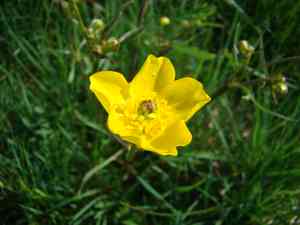
Corn buttercup displays appealing flower formations that can greatly improve your garden's visual charm.
2
Corn buttercup readily adjusts to different soil conditions, making it a simple selection for various landscaping demands.
3
Minimal upkeep needs render Corn buttercup an economical choice for gardeners of all experience levels.
Why Select Corn Buttercup for Your Garden?
Appealing bloom patterns enhance visual charm
To boost your garden's visual appeal, Corn buttercup's flowering habits are quite captivating. Its vivid hues and distinct flower shapes create striking displays, attracting human admirers and vital pollinators like bees and butterflies. With its magnificent blossoms, Corn buttercup can transform any garden into a vibrant, dynamic area.
Versatility in various soil types for effortless landscaping
A key attribute of Corn buttercup is its adaptability to diverse soil conditions. Whether your soil is sandy, loamy, or clay, Corn buttercup can flourish with minimal adjustments. This flexibility makes it an excellent option for gardeners who may lack ideal soil for more delicate plants. Incorporating Corn buttercup ensures robust growth without specialized soil amendments.
Low maintenance requirements for economical gardening
For those seeking a beautiful garden without extensive effort or cost, Corn buttercup is an excellent choice. This plant demands minimal upkeep, meaning less spending on tools, fertilizers, or water. Just a bit of routine care will keep it thriving, allowing you to enjoy a lovely garden landscape without financial strain.
Where and How to Plant Corn Buttercup: Best Placement Advice
Choosing the ideal spot to maximize growth and flowering
Selecting the perfect garden location for Corn buttercup is vital for its growth and blooming potential. Ideally, plant it in an area receiving ample sunlight but also some shade during the day's hottest hours. This balance helps the plant thrive, ensuring it produces its best flowers while minimizing stress from extreme heat.
Understanding light needs for vibrant Corn buttercup development
Sunlight is crucial for Corn buttercup's growth. It prefers full sun to partial shade, meaning at least six hours of direct sunlight daily. However, excessive direct afternoon sun can be harmful, so try planting it where it can enjoy morning light and avoid harsh afternoon rays.
Spacing recommendations to foster healthy plant growth
Proper spacing is essential when planting Corn buttercup to ensure each plant has adequate room to grow and access nutrients. Plant them about 8-12 inches apart to provide sufficient space for root development and airflow. Good spacing reduces disease risk and promotes healthier, more vigorous growth for a lush, abundant garden.
Landscape Design Concepts with Corn Buttercup: Enhancing Your Outdoor Area
Integrating Corn buttercup into border plantings
Border gardens can greatly benefit from adding Corn buttercup. These vibrant plants introduce a splash of color and create an attractive edge for garden paths or lawns. By planting Corn buttercup along borders, you can define spaces within your landscape while fostering continuity and flow.
Utilizing Corn buttercup as ground cover to create verdant areas
If you're seeking a lush, green ground cover, Corn buttercup can be an excellent option. Its dense foliage helps suppress weeds while providing a beautiful green carpet punctuated by colorful blooms. This not only enhances your garden's visual appeal but also reduces maintenance by lessening the need for frequent weeding.
Establishing focal points with Corn buttercup in your garden layout
Strategically placing Corn buttercup to create focal points can elevate your garden design. Whether at the center of a flower bed, around a garden statue, or near a patio, its vibrant flowers can draw the eye and become a centerpiece of your outdoor space. This helps create a cohesive, attractive landscape that feels well-planned and balanced.
Seasonal Care Advice for Corn Buttercup
Managing watering requirements throughout different seasons
Understanding Corn buttercup's seasonal watering needs is crucial for its health. During the active growth period, keep the soil consistently moist but not waterlogged. Conversely, reduce watering during dormancy to prevent root rot. Adjust your watering schedule based on rainfall and temperature changes to maintain optimal moisture levels.
Optimal fertilization strategies to boost Corn buttercup vitality
Fertilization can significantly enhance Corn buttercup's growth and blooming. Apply a balanced, slow-release fertilizer in early spring to provide essential nutrients for the growing season. Avoid over-fertilizing, as this can lead to excessive foliage with fewer blooms. An annual soil test can guide you in adding the correct nutrients in appropriate amounts.
Addressing common issues encountered while cultivating Corn buttercup
While generally robust, Corn buttercup can face challenges like pests and diseases. Watch for symptoms such as discolored leaves or stunted growth, which may indicate fungal infections or insect infestations. Regularly inspect your plants, take preventive measures like proper spacing and watering, and promptly resolve any problems that arise.



