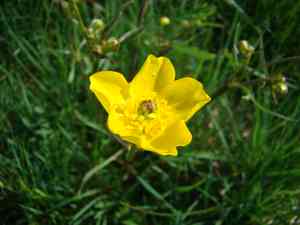
Corn buttercup (Ranunculus arvensis)
Also known as: Scratch bur, Hungerweed, Corn crowfoot
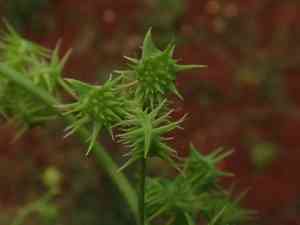
Corn buttercup, an annual plant found in moist environments, thrives particularly well in loamy, clay, and chalky soils. It is known for its toxicity when consumed fresh and is classified as an endangered species. Its nickname, "devil on all sides," comes from the sharp, claw-like spines on its seed heads.
In This Article
Attributes of Corn buttercup
Lifespan
Annual, Biennial
Plant Type
Herb
Plant Height
30 cm
Spread
15 cm to 60 cm
Leaf Color
Green
Flower Size
7 mm
Flower Color
Yellow
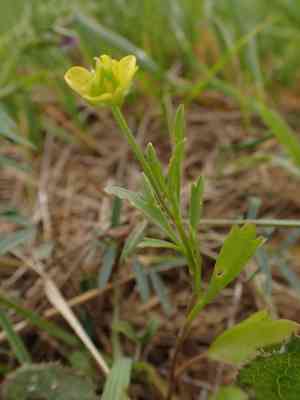
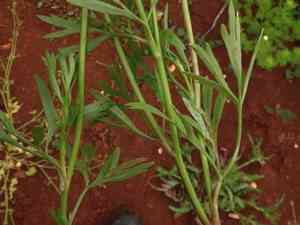
Images of Corn buttercup
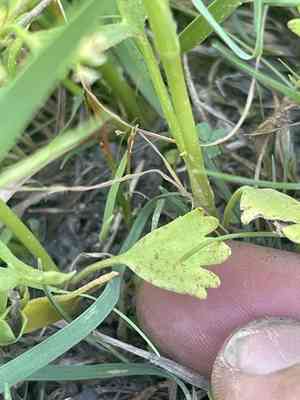
Quickly Identify Corn buttercup
1
This plant can be identified by its bright yellow, glossy flowers, which are about 1-2 cm in diameter. The leaves are deeply lobed and can be hairy.
Scientific Classification of Corn buttercup
Phylum
Vascular plants
Class
Dicotyledons
Order
Ranunculales
Family
Buttercup
Genus
Ranunculus
Species
Corn buttercup
Planting and Growing of Corn buttercup
Care Difficulty
Easy
Watering Schedule
Every 3 days
Sunlight Requirements
Full sun
Sunshine Duration
6-10 hours
Ideal Temperature
60-77℉
Soil Type
Potting Mix, Peat Mix
Soil pH
6.5-7.5
Fertilizer Type
Balanced
Pruning Season
Spring, Summer
Pruning Area
Branches, Leaves
Pruning Frequency
2 times a year
Repotting Season
Spring
Pot Type
Plastic, Ceramic
 How to Water Corn buttercup?
Ranunculus arvensis, also known as corn buttercup, prefers moderately moist soil. Water it with around 250ml of water per session. Ensure that the top 1-2 inches of soil are moist but not soggy before stopping to prevent root rot while providing adequate hydration.
What are the symptoms of an underwatered Corn buttercup?
›
What should I do if my Corn buttercup is not getting enough water?
›
What are the symptoms of an overwatered Corn buttercup?
›
How to save an overwatered Corn buttercup?
›
 What Are the Sunlight Requirements for Corn buttercup?
Ranunculus arvensis thrives best under partial to full sun conditions, benefiting from light spaces that provide 4 to 6 hours of sunlight daily. This range promotes strong growth and prolific flowering.
More About Sunlight Requirements Techniques→
What is the ideal lighting condition for Ranunculus arvensis?
›
How can you achieve ideal light conditions for Ranunculus arvensis?
›
What benefits does Ranunculus arvensis derive from ideal light exposure?
›
 What Is the Ideal Temperature Range for Corn buttercup?
Ranunculus arvensis thrives best in temperatures ranging between 60°F to 77°F, where metabolic processes occur efficiently. Within this range, the plant experiences optimal enzymatic activity, promoting healthy growth and flower development.
 What Soil is Best for Corn buttercup?
Ranunculus arvensis thrives best in well-drained soils that prevent waterlogging. Proper drainage helps maintain necessary moisture levels without suffocating roots, thereby supporting healthy growth and vibrant blooms. The plant prefers soils with moderate fertility levels. It benefits from rich but not overly fertile soils, which provide sufficient nutrients for growth while avoiding overly lush foliage that can hinder flowering. While drainage is crucial, the soil should also retain moisture adequately. This balance promotes consistent water availability to the roots, ensuring optimal hydration and nutrient transport throughout the plant.
 How to Fertilize Corn buttercup?
Ranunculus arvensis benefits from a balanced fertilization approach. Use a liquid fertilizer with a 10-10-10 NPK ratio, diluting it to half strength to avoid over-fertilization. For slow-release granules, apply around 20 grams per plant annually. Proper fertilizer amount ensures vibrant foliage and robust blooms.
 How to Prune Corn buttercup?
Start by identifying and removing any dead or spent blooms. Snip them off just above the first set of healthy leaves to encourage new flower growth. Trim back any overgrown branches that disrupt the plant's natural shape. Aim for a balanced look that allows light to penetrate the center of the plant. If any part of the plant appears diseased or infested, it's crucial to remove it immediately. Prune back to healthy tissue, and be sure to sterilize your tools afterward.
More About Pruning Techniques→
 How to Propagate Corn buttercup plant?
1
Scatter the seeds onto the surface of the seed tray filled with moistened potting mix without burying them too deeply. This ensures they receive enough light for germination.
2
Regularly mist the surface of the soil to keep it moist but not waterlogged. Consistent moisture is crucial during the seedling stage for healthy root and shoot development.
3
Once the seedlings have developed a few sets of true leaves, gradually acclimate them to outdoor conditions by slowly increasing their exposure to sunlight and varying temperatures.
 How to Repot Corn buttercup plant?
1
Notice that it's time to repot Ranunculus arvensis when it shows signs like reduced growth, roots protruding from the drainage holes, or the soil drying out much faster than usual. Spring and autumn are ideal as the plant isn't in its growth peak, ensuring minimal stress.
2
When selecting a pot for your Ranunculus arvensis, opt for one that is 1-2 inches larger in diameter than the current pot. This promotes root growth without overwhelming the plant with excess soil, which can lead to water retention and root rot. Ensure the pot has adequate drainage holes to allow excess water to escape.
3
The best soil for repotting Ranunculus arvensis is a loamy, well-draining mix. This type of soil prevents waterlogging, ensuring the roots receive the oxygen they need. It also retains just enough moisture to keep the plant hydrated without the risk of root rot. The loamy texture is perfect for facilitating root expansion and nutrient absorption.
Toxicity
Ingestion, skin contact
WARNING
The judgment on toxicity and danger is for reference only. We DO NOT GUARANTEE any accuracy of such judgment. Therefore, you SHALL NOT rely on such judgment. It is IMPORTANT TO SEEK PROFESSIONAL ADVICE in advance when necessary.
Learn More About Corn buttercup Diseases
Anthracnose
Bacterial Leaf Spot
Bacterial Soft Rot
Bacterial Wilt
Black Spot
Chemical Injury
Cyst Nematode
Damping-off
Downy Mildew
Drought Stress
Fusarium Wilt
Gray Mold
Leaf Curl
Leaf Spot
Mosaic
Nutrient Deficiency
Nutrient Toxicity
Powdery Mildew
Root Rot
Root-knot Nematode
Rusts
Sooty Mold
Spider Mites
Temperature Stress
Thrips Damage
White Mold



