How to Propagate Oregon woollyheads?
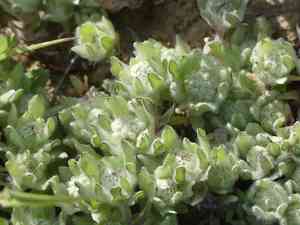
Oregon woollyheads, a perennial herbaceous plant belonging to the Asteraceae family, thrives in damp to saturated habitats. For successful propagation, guarantee that the substrate drains effectively, retaining humidity without becoming waterlogged. Planting seeds just beneath the surface improves their sprouting rate. Maintain consistent hydration and shield nascent seedlings from harsh environmental factors. Following these measures significantly boosts the likelihood of successful propagation.
Optimal Time for Oregon Woollyheads Propagation
Propagation Type
Sowing
Propagation Season
Spring
Tools for Oregon Woollyheads Propagation
Seed Trays
Crucial for starting oregon woollyheads seeds, offering a controlled setting for initial development. They aid in organizing and observing seedlings until ready for transplant.
Potting Mix
A well-draining potting mix, balanced with sand, peat moss, and organic matter, is vital for oregon woollyheads. This blend ensures good aeration and moisture retention, fostering healthy germination and root growth.
Spray Bottle
Maintaining proper moisture is key for oregon woollyheads. A spray bottle allows for gentle watering, keeping the soil consistently damp without oversaturation, which prevents seed rot and promotes even germination.
Cold Frame
To mimic the natural cold stratification needed by oregon woollyheads's seeds, a cold frame can be utilized. It provides a sheltered outdoor space where seeds experience seasonal temperature shifts, boosting germination rates.
Seedling Heat Mat
Applying bottom heat to seed trays can help maintain ideal soil temperatures for oregon woollyheads germination, especially in cooler regions. Heat mats ensure a steady, warm environment, encouraging quicker and more uniform seed sprouting.
Plastic Dome or Cloche
Covering seed trays with a plastic dome or cloche helps create a humid atmosphere, reducing water loss and preventing desiccation of oregon woollyheads's seeds during their early germination stages.
Propagating Oregon Woollyheads
Propagation Type
Easy
Caring for Newly Propagated Oregon Woollyheads
Caring for Newly Propagated Oregon Woollyheads
After transplanting, ensure oregon woollyheads gets full sun and is in well-draining soil. Water sparingly, letting the soil dry between waterings. Remove dead or decaying leaves to encourage healthy growth. Protect from harsh weather and check for pests.
Common Errors to Avoid When Propagating Oregon Woollyheads
Overwatering
This can lead to root rot, impairing the plant's ability to absorb nutrients and water effectively.
Inadequate Sunlight
Insufficient light can result in weak, elongated growth and poor overall development.
Incorrect Soil Type
Using soil that retains too much water can cause waterlogged conditions, negatively impacting root health.
Improper Cuttings
Taking cuttings from unhealthy or diseased plant parts reduces the likelihood of successful rooting.
Neglecting Humidity
Failure to maintain appropriate humidity levels can cause cuttings to dry out and fail to root.
Advice for Propagating Oregon Woollyheads
Use Well-Draining Soil
Ensure the soil mix is light and drains effectively to prevent root rot and encourage robust root development.
Maintain Moderate Moisture
Keep the soil consistently moist but not waterlogged to support root growth without causing decay.
Provide Adequate Light
Place cuttings in a bright, indirect light setting to promote strong, healthy growth while avoiding scorching.
Take Healthy Cuttings
Select cuttings from healthy, disease-free sections of the plant to improve rooting success.
Ensure Optimal Humidity
Maintain a humid environment, such as using a humidity dome, to prevent cuttings from drying out and aid in root formation.



