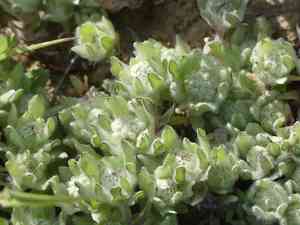
Oregon woollyheads (Psilocarphus oregonus)
Also known as: Oregon woolly-heads, woolly marbles, Oregon woollyheads
The Oregon woollyheads (Psilocarphus oregonus) is a small, woolly annual plant that flourishes in the seasonal wet meadows and vernal pools of the Pacific Northwest. Its unique, cottony flower heads, which are actually clusters of many tiny flowers, help the plant conserve moisture in its transient wetland environments. This woolly covering aids in retaining water, allowing the plant to effectively adapt to the fluctuating moisture levels characteristic of its habitat.
In This Article
Attributes of Oregon woollyheads
Lifespan
Annual
Plant Type
Herb
Plant Height
5 to 15 cm (2 to 6 inches)
Spread
The plant does not have a conventional crown, being a low-growing herb.
Leaf Color
Gray-green
Flower Size
1 to 3 mm (0.04 to 0.12 inches)
Flower Color
Grayish-white, woolly
Images of Oregon woollyheads
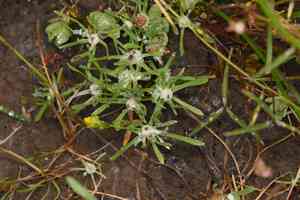
Quickly Identify Oregon woollyheads
1
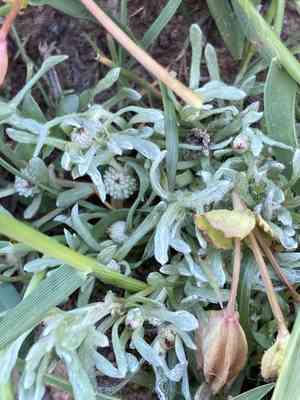
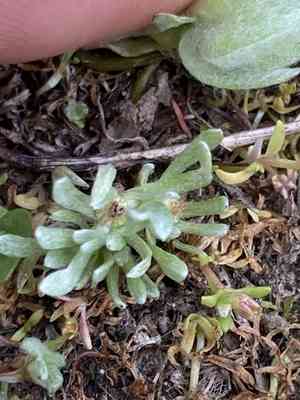
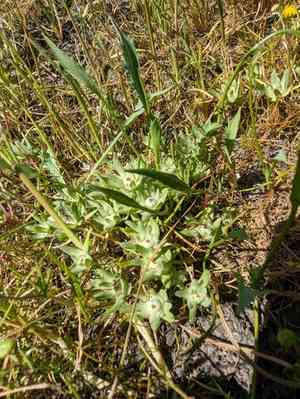
Oregon woolly-heads can be identified by their tiny, woolly flower heads that resemble fluffy balls. The plant is small in stature and often found in moist, open environments. Key features include linear, woolly leaves and the presence of hair-like structures that cover various parts of the plant. In the blooming season, look for densely packed, white-grayish flowers.
Scientific Classification of Oregon woollyheads
Phylum
Vascular plants
Class
Dicotyledons
Order
Asterales
Family
Daisy
Genus
Woolly marble
Species
Oregon woollyheads
Planting and Growing of Oregon woollyheads
Care Difficulty
Moderate
Watering Schedule
Every 2 days
Sunlight Requirements
Full sun
Sunshine Duration
6-10 hours
Ideal Temperature
60-75℉
Soil Type
Potting Mix, Peat Mix
Soil pH
6.5-7.5
Fertilizer Type
Balanced
Pruning Season
Spring, Summer
Pruning Area
Branches, Leaves
Pruning Frequency
2 times a year
Repotting Season
Spring
Pot Type
Terracotta, Plastic
 How to Water Oregon woollyheads?
For Psilocarphus oregonus, ensure that the soil remains slightly moist but not soggy. Watering around 100 ml is typically adequate, aiming to soak the soil evenly while avoiding water pooling at the surface. This plant thrives when its natural habitat conditions are mimicked, which means infrequent and measured watering.
What are the symptoms of an underwatered Oregon woollyheads?
›
What should I do if my Oregon woollyheads is not getting enough water?
›
What are the symptoms of an overwatered Oregon woollyheads?
›
How to save an overwatered Oregon woollyheads?
›
 What Are the Sunlight Requirements for Oregon woollyheads?
Psilocarphus oregonus flourishes best under full or partial sun conditions, ideally receiving 4 to 8 hours of sunlight, which aids in robust growth, blooming, and maintaining resilience.
How much light is ideal?
›
How can I achieve ideal lighting?
›
Benefits of ideal lighting conditions
›
 What Is the Ideal Temperature Range for Oregon woollyheads?
The ideal temperature range for growing Psilocarphus oregonus is between 60 and 75 degrees Fahrenheit. This range supports optimal physiological activity, such as photosynthesis and nutrient absorption, leading to healthy growth and development. Maintaining these temperatures ensures the plants have the energy balance needed for active growth and resilience against pests and diseases.
 What Soil is Best for Oregon woollyheads?
Psilocarphus oregonus thrives in soils with excellent drainage. This characteristic prevents root rot and ensures the plant can access nutrients efficiently, crucial for its health and growth. A nutrient-rich soil facilitates the healthy development of Psilocarphus oregonus by supplying essential minerals. This improves the plant's vigor and resilience against environmental stressors, resulting in lush growth. Psilocarphus oregonus benefits from a soil that maintains moderate moisture levels, which helps sustain the plant during dry periods but also prevents waterlogging, balancing hydration and aeration.
 How to Fertilize Oregon woollyheads?
Psilocarphus oregonus is not a heavy feeder. Use a balanced, diluted liquid fertilizer at half-strength to ensure the plant gets necessary nutrients without overwhelming it. Over-fertilization can lead to negative outcomes.
 How to Prune Oregon woollyheads?
While it's tempting to cut back extensively, over-pruning Psilocarphus oregonus can stress the plant. It’s best to prune only the necessary parts to maintain its health and vigor. Avoid pruning during extreme hot or cold conditions as this can damage the plant tissues. Opt for mild days to ensure the plant recovers well from the pruning process. Always sanitize your tools before and after pruning to prevent the transmission of any plant diseases. A simple wipe with a bleach solution will suffice to keep the tools clean.
More About Pruning Techniques→
 How to Propagate Oregon woollyheads plant?
1
Select a well-draining potting mix or prepare garden soil fortified with organic matter. This creates a nutrient-rich environment for young plants to flourish.
2
Seeds should be sprinkled lightly over the soil surface or in rows. Cover them gently with a thin layer of soil to ensure they receive adequate light for germination.
3
Select healthy, non-flowering stems and cut just below a node. Remove any lower leaves to prevent decay and allow rooting hormones to encourage root formation.
 How to Repot Oregon woollyheads plant?
1
Psilocarphus oregonus should be repotted when its roots begin to outgrow the current pot, becoming visible through the drainage holes. Additionally, if the soil becomes hard or compacted, it's a sign that repotting is necessary. Evaluating these signals during the early stages of growth in spring or summer ensures a smooth transition.
2
Select a pot that is just one size larger than the current one. A pot that is too large can lead to water retention issues, causing root rot. Opt for a pot with ample drainage holes to promote airflow and prevent waterlogged soil. This encourages healthy root development and vital plant growth.
3
Use a well-drained sandy mix with adequate nutrients. Such a soil type prevents compaction and ensures adequate aeration for the roots. A light texture prevents excessive moisture, reducing the risk of fungal infections and promoting robust plant vitality.



