How to Propagate Pale green orchid?
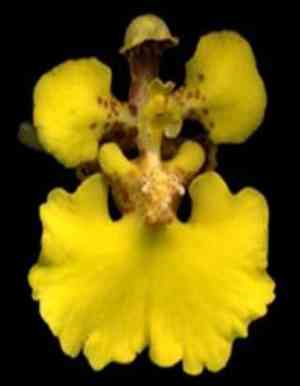
The delightful pale green orchid originates from humid, low-lying ecosystems. For propagation, division is the favored method; carefully detach the rhizomes, making sure each segment possesses healthy roots and some leaves. Cultivate in a well-draining, humus-enriched substrate, mimicking its native surroundings as accurately as feasible. Irrigate consistently, yet prevent saturation. Supplying filtered light and sustaining elevated atmospheric moisture will foster robust development, guaranteeing an elegant presentation. Consult: Orchid Society publications.
When Is the Optimal Time to Propagate Pale Green Orchid?
Propagation Type
Division
Propagation Season
Spring,Autumn
What Implements Are Utilized in Pale Green Orchid Propagation?
Garden Fork
A garden fork is crucial for gently loosening the earth around pale green orchid without harming its delicate root system, thereby aiding the division process.
Sharp Knife or Pruning Shears
These instruments are vital for making clean cuts when separating pale green orchid's tubers or rhizomes, which helps prevent infection and encourages faster healing and development of new plants.
Sterilizing Solution
A sterilizing solution is employed to sanitize tools before and after use to minimize the risk of transmitting diseases to pale green orchid during the propagation procedure.
Potting Soil
Premium potting soil offers the essential nutrients and proper drainage that are critical for the newly divided pale green orchid to establish itself.
How to Propagate Pale Green Orchid?
Propagation Type
Easy
How to Nurture Your Newly Propagated Pale Green Orchid?
How to Nurture Your Newly Propagated Pale Green Orchid?
Post-propagation, pale green orchid demands careful attention to irrigation, ensuring the substrate stays damp but drains effectively. Maintain elevated humidity levels and provide filtered sunlight. Regularly inspect for pests and diseases, and implement suitable controls. Fertilize sparingly, using a balanced orchid feed, to support new development. Monitor the acclimatization of the new divisions and adjust care practices as necessary to ensure their successful establishment.
Common Errors to Avoid When Propagating Pale Green Orchid
Improper Soil Composition
Using substrate that holds too much moisture or lacks adequate drainage can lead to root decay.
Incorrect Watering Techniques
Excessive or insufficient watering can stress the plant, impeding its growth and vitality.
Inadequate Light Conditions
Exposing the plant to either excessive direct sunlight or insufficient light can disrupt its growth cycle and affect blooming.
Poor Air Circulation
Overcrowded conditions can cause mold or fungal ailments to develop, negatively impacting plant health.
Failure to Sterilize Tools
Using unsanitized cutting implements can introduce pathogens that may cause illness.
Tips For Propagating Pale Green Orchid
Use Well-Draining Soil
Ensure the soil mixture allows surplus water to drain away while retaining sufficient moisture for roots to absorb.
Monitor Water Levels
Maintain a balanced irrigation schedule, ensuring the medium is moist but not waterlogged.
Provide Indirect Light
Position the plant in a spot where it receives bright, filtered sunlight for optimal development.
Ensure Good Air Circulation
Space plants appropriately to allow air to circulate and reduce the risk of mold and fungal issues.
Sterilize Tools
Always sanitize cutting implements before use to prevent the spread of pathogens and diseases.



