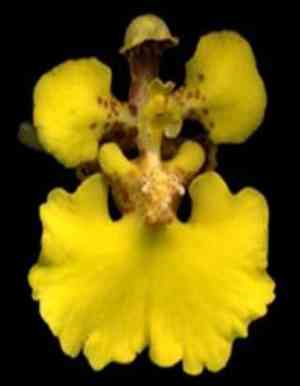
Pale green orchid (Platanthera flava)
Also known as: Tubercled bog orchid, Southern tubercled orchis
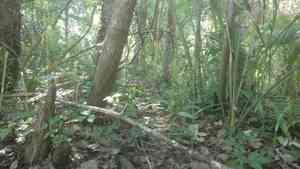
In the southern regions, like Texas, this species thrives in wet savannas and flatwoods. In the north, shoreline habitats are shaped by ice scouring, whereas in the south, recurring fires help sustain the flatwoods. Thus, the species relies on regular natural disturbances to preserve the open, sunny environments it needs.
In This Article
Attributes of Pale green orchid
Lifespan
Perennial
Plant Type
Herb
Plant Height
30-90 cm
Spread
N/A
Leaf Color
Green
Flower Size
2.5 cm
Flower Color
White Yellow Green
Images of Pale green orchid
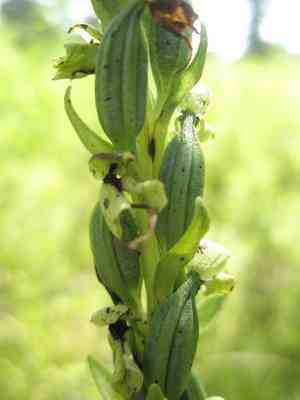
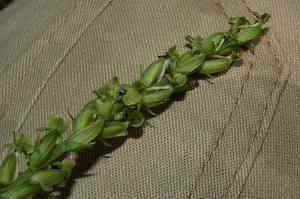
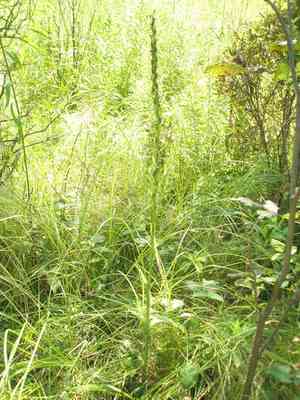
Quickly Identify Pale green orchid
1
Slender lance-shaped leaves with a pale green hue.
2
Tubular flowers with a prominent lip and spur, measuring up to 0.75 inches (2 cm).
3
Erect, nearly ellipsoidal fruit capsule with fine ribbing, about 1/3 inch long.
4
Stout, upright stem with a diameter of 0.2 to 0.4 inches (0.5 to 1 cm), lacking branching.
5
Sessile, sheathing leaves, 2-5 per stem, up to 8 inches (20 cm) long, dull green on the upper side.
Scientific Classification of Pale green orchid
Phylum
Vascular plants
Class
Monocotyledons
Order
Asparagales
Family
Orchid
Genus
Bog orchids
Species
Pale green orchid
Planting and Growing of Pale green orchid
Care Difficulty
Hard
Watering Schedule
Every 8 days
Sunlight Requirements
Partial sun
Sunshine Duration
6-10 hours
Ideal Temperature
60-76℉
Soil Type
Potting Mix, Peat Mix
Soil pH
5.5-7
Fertilizer Type
Balanced
Pruning Season
Spring, Summer
Pruning Area
Branches, Leaves
Pruning Frequency
2 times a year
Repotting Season
Spring
Pot Type
Plastic, Ceramic
 How to Water Pale green orchid?
The amount of water needed by Platanthera flava should ensure the soil is moist but not waterlogged. About 250 milliliters should suffice per watering session, delivered gently to saturate the soil evenly around the base of the plant.
What are the symptoms of an underwatered Pale green orchid?
›
What should I do if my Pale green orchid is not getting enough water?
›
What are the symptoms of an overwatered Pale green orchid?
›
How to save an overwatered Pale green orchid?
›
 What Are the Sunlight Requirements for Pale green orchid?
Platanthera flava does best in light environments mimicking natural marshy or woodland understories, benefiting from partial sun to full shade.
How much sunlight is ideal?
›
How do I achieve ideal lighting?
›
What are the benefits of ideal lighting?
›
 What Is the Ideal Temperature Range for Pale green orchid?
For Platanthera flava, maintaining an ideal temperature range between 60°F to 76°F is crucial for optimal growth. This range supports active metabolism and photosynthesis while minimizing stress on the plant. It ensures that the plant experiences a stable microclimate that mimics its natural habitat, encouraging robust growth and blooming.
 What Soil is Best for Pale green orchid?
Platanthera flava thrives in soil that retains moisture well, as it provides the plant with consistent hydration. This characteristic is particularly crucial during dry spells, ensuring the plant's survival and vigor. Rich, nutrient-dense soil is vital for the healthy growth of Platanthera flava. Nutrients like nitrogen and phosphorus support robust foliage and flowering, enhancing the plant's ornamental and ecological value. A high content of organic matter in the soil helps Platanthera flava by improving its structure and nutrient availability, promoting root development and overall plant health.
 How to Fertilize Pale green orchid?
For Platanthera flava, the fertilizer amount should be carefully measured. Use a diluted liquid fertilizer mix with a ratio of 20-20-20 at half the recommended strength. For slow-release fertilizers, use approximately 1/4 cup per application to avoid overfeeding.
 How to Prune Pale green orchid?
Start by inspecting the plant for any dead or discolored foliage. Gently trim these pieces close to the base with sterilized shears. Focus on maintaining the natural shape of the plant, avoiding drastic cuts that could damage its structure. Check regularly throughout the year for any new growth that might need attention.
More About Pruning Techniques→
 How to Propagate Pale green orchid plant?
1
Collect seeds from a mature Platanthera flava plant once pods have dried. Sow seeds on the surface of a fine seed-starting medium, lightly cover them, and maintain a warm, humid environment to encourage germination.
2
During early spring, gently dig up clumps of Platanthera flava. Carefully separate the rhizomes, ensuring each division has adequate roots. Replant the divisions at the same depth they were previously growing.
3
After sowing or planting divisions, ensure consistent moisture without waterlogging. Regularly check on seedlings or new divisions, removing any dead or diseased material promptly to encourage healthy growth.
 How to Repot Pale green orchid plant?
1
Platanthera flava, known for its delicate structure, should be repotted once its roots seem congested. Signs include roots growing out of drainage holes and stunted growth. The best time is early spring or summer when active growth begins.
2
Selecting a pot for Platanthera flava involves choosing one that is one size larger than the current. It should have adequate drainage to prevent waterlogging, which benefits root development and minimizes the risk of root rot.
3
Platanthera flava thrives in a moist, well-draining soil mix. Opt for a blend containing peat, bark, and perlite. This allows for healthy root breathability and moisture retention without compacting, which suits its native conditions.
Learn More About Pale green orchid Diseases
Anthracnose
Bacterial Leaf Spot
Bacterial Soft Rot
Black Spot
Chemical Injury
Damping-off
Downy Mildew
Drought Stress
Fusarium Wilt
Gray Mold
Leaf Spot
Mosaic
Nutrient Deficiency
Nutrient Toxicity
Powdery Mildew
Root Rot
Root-knot Nematode
Rusts
Sooty Mold
Spider Mites
Temperature Stress
Thrips Damage
White Mold



