How to Propagate Bridge penstemon?
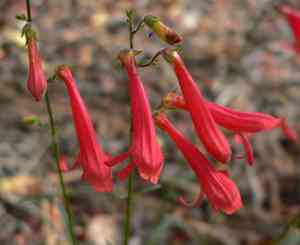
Bridge penstemon flourishes when reproduced via cuttings, a technique ideal for preserving the species' genetic characteristics. Cultivators ought to choose robust, non-blooming stems for cuttings to guarantee strong development. Employing a well-aerated potting blend and sustaining steady dampness without excessive watering is crucial. Applying rooting stimulant can boost the success rate, fostering more robust root formation.
When Is the Optimal Time to Propagate Bridge Penstemon?
Propagation Type
Cutting
Propagation Season
Spring,Summer
What Implements Are Utilized for Bridge Penstemon Propagation?
Sharp Pruning Shears
These are vital for making clean cuts from the bridge penstemon without harming the parent plant or the cutting itself. Sharp blades ensure precise cuts and minimize stress to plant tissues, which is key for successful rooting and growth of cuttings.
Rooting Hormone
This aids in stimulating root development in bridge penstemon cuttings. Applying a rooting hormone to the cut end of stems boosts the likelihood of successful root formation, encouraging healthier and faster establishment once planted.
Sterile Potting Mix
Employing a sterile, well-draining potting mix is crucial for providing a supportive environment for bridge penstemon cuttings. A pathogen-free mix ensures young cuttings are less prone to diseases during the vital rooting phase.
Small Pots or Trays
These are used to house the prepared cuttings. Small containers are ideal as they ensure the delicate new roots of bridge penstemon don't need to extend too far for nutrients, simplifying the maintenance of necessary humidity and soil moisture balance.
Plastic Bags or Covers
These create a moist atmosphere around the bridge penstemon cuttings, which is essential for their survival and rooting. The cover helps maintain consistent moisture levels around the cutting, crucial for preventing the delicate new growth from drying out.
How to Propagate Bridge Penstemon?
Propagation Type
Easy
How to Nurture Your Newly Propagated Bridge Penstemon?
How to Care for Your Newly Propagated Bridge Penstemon?
Post-propagation, gradually introduce bridge penstemon to its permanent spot if moved outdoors. Ensure the plant gets full to partial sunlight and is in well-drained soil, as bridge penstemon prefers these conditions. During the growing season, water regularly but let the soil dry slightly between waterings to prevent root rot. Minimal fertilization is advised; a light application of balanced fertilizer at the start of the growing season can support healthy growth without overstimulation. Shield bridge penstemon from extreme cold and apply mulch to help stabilize soil temperature and retain moisture.
Common Errors to Avoid When Propagating Bridge Penstemon
Overwatering
Excessive watering of bridge penstemon during propagation can lead to root rot, a condition where roots decay due to too much moisture. This can severely hinder root development and reduce the chances of successful propagation.
Deep planting
Planting bridge penstemon cuttings too deeply can prevent them from getting enough light and air, which are vital for initiating root growth. This can potentially cause fungal infections or cutting rot.
Ignoring hygiene
Using unsterilized tools or pots when propagating bridge penstemon can introduce pathogens, leading to diseases that can kill young plants or severely stunt their growth.
Advice For Propagating Bridge Penstemon
Rooting hormone
Applying a rooting hormone to bridge penstemon cuttings can significantly boost the likelihood of successful root development. This hormone stimulates root growth, aids in quicker establishment, and improves overall propagation success.
Proper depth and spacing
Ensuring bridge penstemon cuttings are planted at a shallow depth and adequately spaced allows for sufficient light and air circulation, both crucial for promoting healthy root growth.
Sterilization of equipment
Before beginning the propagation process, sterilize all tools and containers used for bridge penstemon. This helps prevent disease spread and ensures a healthy environment for new plants to grow.



