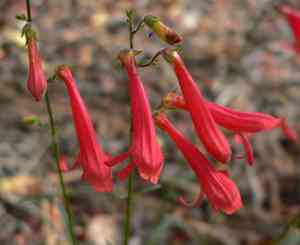
Bridge penstemon (Penstemon rostriflorus)
Also known as: Beaked penstemon
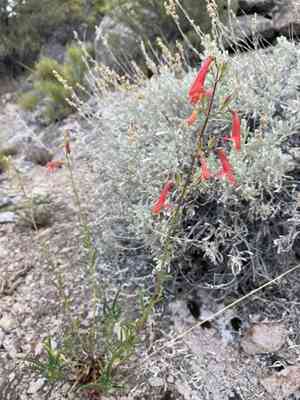
Bridge Penstemon, scientifically known as Penstemon rostriflorus and also referred to as Beaked Penstemon, is a perennial herbaceous plant. It typically thrives in dry, rocky environments found in the southwestern United States. The plant features woody stems that can grow up to 1 meter tall, adorned with clusters of tubular flowers.
In This Article
Attributes of Bridge penstemon
Lifespan
Perennial
Plant Type
Herb, Shrub
Plant Height
30 cm to 61 cm
Spread
15 cm to 30 cm
Leaf Color
Green
Flower Size
2.5 cm
Flower Color
Red Orange
Images of Bridge penstemon
Quickly Identify Bridge penstemon
1
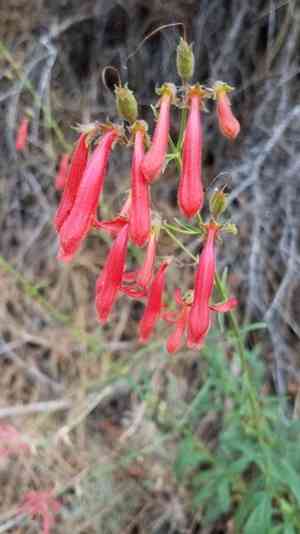
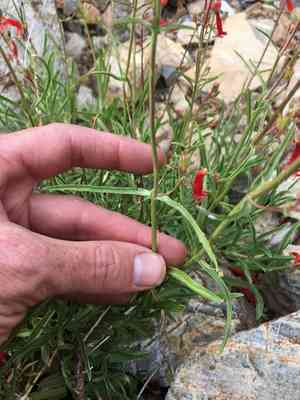
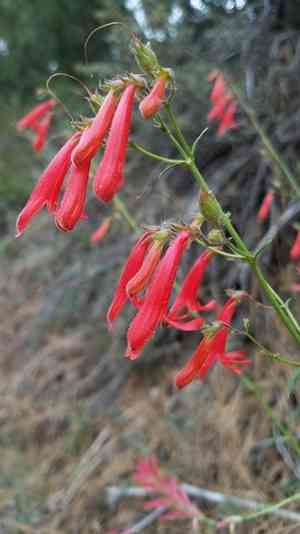
Penstemon rostriflorus can be identified by its tubular red flowers, narrow lance-shaped leaves, and its habit of growing in clusters. The flowers are two-lipped and typically bloom in summer.
Scientific Classification of Bridge penstemon
Phylum
Vascular plants
Class
Dicotyledons
Order
Lamiales
Family
Plantain
Genus
Penstemon
Species
Bridge penstemon
Planting and Growing of Bridge penstemon
Care Difficulty
Easy
Watering Schedule
Every 2 days
Sunlight Requirements
Full sun
Sunshine Duration
6-10 hours
Ideal Temperature
60-75℉
Soil Type
Potting Mix, Peat Mix
Soil pH
6.5-7.5
Fertilizer Type
Balanced
Pruning Season
Spring, Summer
Pruning Area
Branches, Leaves
Pruning Frequency
2 times a year
Repotting Season
Spring
Pot Type
Plastic, Ceramic
 How to Water Bridge penstemon?
For Penstemon rostriflorus, aim to water with around 300ml of water per session. The goal is to moisten the soil thoroughly but not soggy. This mimics its natural habitat where moderate rainfalls occur. Ensure water reaches the rootzone but does not stagnate.
What are the symptoms of an underwatered Bridge penstemon?
›
What should I do if my Bridge penstemon is not getting enough water?
›
What are the symptoms of an overwatered Bridge penstemon?
›
How to save an overwatered Bridge penstemon?
›
 What Are the Sunlight Requirements for Bridge penstemon?
Penstemon rostriflorus prefers full to partial sun, benefiting from 4-6 hours of sunlight daily. This range supports robust flowering and foliage health, contributing to a vibrant garden display.
More About Sunlight Requirements Techniques→
What type of sunlight does Penstemon rostriflorus thrive in?
›
How can I ensure optimal light conditions for Penstemon rostriflorus?
›
What are the benefits of achieving ideal light conditions for this plant?
›
 What Is the Ideal Temperature Range for Bridge penstemon?
The ideal temperature range for growing Penstemon rostriflorus is between 60°F and 75°F. This range provides the optimal conditions for photosynthesis, enzymatic reactions and nutrient uptake, ensuring healthy growth and vibrant blooms.
 What Soil is Best for Bridge penstemon?
Penstemon rostriflorus thrives in soil that drains well, which prevents waterlogging and keeps the roots healthy. It helps avoid root rot and supports robust plant growth. The plant prefers moderately fertile soil, which supplies essential nutrients without overwhelming the roots. This balance ensures strong, sustainable development and vibrant blooms. Loose, airy soil is ideal for Penstemon rostriflorus, allowing roots to expand easily and absorb nutrients effectively. It enhances growth and encourages a resilient plant structure.
 How to Fertilize Bridge penstemon?
For Penstemon rostriflorus, a balanced fertilizer with an NPK ratio of 10-10-10 is suitable. Use 1 tablespoon per gallon of water for liquid fertilizers or 1 teaspoon per plant for granular fertilizers.
 How to Prune Bridge penstemon?
Start by identifying and removing any spent flower spikes. This process, known as deadheading, encourages more blooms by directing the plant’s energy away from seed production and into new growth. Inspect the plant for any dead or diseased stems. Cut these back to healthy wood, ensuring your cuts are at least a quarter of an inch above a node or bud to promote healing and growth. Trim back overgrown stems to maintain a neat shape and size. This not only improves aesthetics but also helps ensure good air circulation within the plant, reducing the risk of fungal diseases.
More About Pruning Techniques→
 How to Propagate Bridge penstemon plant?
1
Before sowing the seeds, soak them in warm water for 24 hours to break dormancy and ensure better germination rates. This step is critical for Penstemon rostriflorus as it mimics natural conditions and initiates the germination process.
2
Disperse the seeds evenly in trays filled with a sterile seed-starting mix. Cover lightly with soil, ensuring that they are not too deep. Water gently to avoid displacing the seeds and provide consistent moisture until germination occurs.
3
Select healthy stems from the Penstemon rostriflorus plant for cuttings. Use pruning shears to cut a 4-6 inch stem just below a node. Remove the lower leaves and dip the end in rooting hormone to promote root formation.
 How to Repot Bridge penstemon plant?
1
Penstemon rostriflorus indicates it's time to repot when growth is stunted, roots emerge from drainage holes, or the soil drains too quickly, often due to compacted root systems.
2
Choose a pot one size larger with drainage holes to prevent waterlogging. This encourages healthy root spread and effective water drainage, which is vital for Penstemon rostriflorus.
3
A sandy, well-draining mix is ideal to replicate its natural habitat, ensuring good aeration and water flow. This reduces the risk of root rot by preventing water from accumulating.
Learn More About Bridge penstemon Diseases
Anthracnose
Bacterial Leaf Spot
Bacterial Soft Rot
Bacterial Wilt
Chemical Injury
Crown Gall
Cyst Nematode
Damping-off
Downy Mildew
Drought Stress
Fusarium Wilt
Gray Mold
Leaf Spot
Mosaic
Nutrient Deficiency
Nutrient Toxicity
Powdery Mildew
Root Rot
Root-knot Nematode
Rusts
Sooty Mold
Spider Mites
Temperature Stress
Thrips Damage
White Mold



