How to Propagate Thin paspalum?
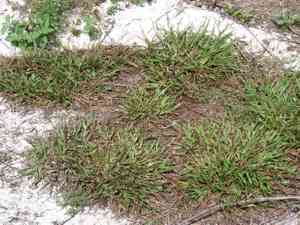
Paspalum tenue flourishes when multiplied by splitting its clusters, a simple technique. This approach is especially efficient because of the plant's compact root system. When performing divisions, use a keen blade or shovel to lessen harm, striving to retain a substantial amount of roots with every piece. Following separation, quickly re-embed the segments in properly conditioned earth, guaranteeing sufficient hydration and preventing excessive depth to encourage rapid root development and expansion.
Optimal Time for Thin Paspalum Propagation?
Propagation Method
Division
Propagation Period
Spring,Autumn
Tools for Thin Paspalum Propagation?
Garden Spade
A robust garden spade is vital for excavating and separating the root system of thin paspalum. It assists in cleanly lifting the plant from the ground, minimizing root trauma. A sharper blade facilitates easier cutting through soil and root clumps, ensuring efficient division.
Root Pruning Shears
Root pruning shears are essential for trimming back excess root growth and sectioning the roots. The precise cuts made by these shears help prevent disease spread and encourage faster recovery of thin paspalum post-propagation.
Watering Can with a Fine Rose
After planting the thin paspalum divisions, gentle watering is crucial. A watering can with a fine rose attachment ensures even water distribution without disturbing the newly planted sections. This tool helps settle the soil around the roots and ensures moisture penetrates deeply.
Gardening Gloves
Wearing gardening gloves during thin paspalum propagation safeguards the hands from dirt, sharp objects, and potential irritants. Gloves also provide improved grip and dexterity when handling damp soil and plant material.
Compost or Rooting Hormone
Applying a small quantity of compost or rooting hormone to the base of each division promotes root development. This step is critical for the successful establishment and growth of thin paspalum, as it supplies vital nutrients and fosters healthier root formation.
How to Propagate Thin Paspalum?
Propagation Type
Easy
Post-Propagation Care for Thin Paspalum?
How to Care for Your Newly Propagated Thin Paspalum?
To care for thin paspalum after propagation, ensure the soil stays damp but not saturated. Apply a balanced, slow-release fertilizer in early spring and remove dead or unhealthy foliage to encourage vigorous growth. Regularly check for pests and diseases, as young plants can be more vulnerable.
Common Errors to Avoid When Propagating Thin Paspalum
Overwatering during propagation
Excessive watering of thin paspalum can lead to root rot, significantly impeding root development in newly propagated plants. Maintaining a balance is crucial to prevent waterlogging.
Using unsterilized tools and mediums
Propagating thin paspalum with contaminated tools or growing mediums can introduce pathogens that may cause diseases. This error can drastically reduce the success rate of propagation efforts.
Excessive handling or disturbance
Frequent handling or disturbing thin paspalum during the initial propagation stages can damage delicate new roots, hindering the plantâs ability to establish itself.
Tips For Propagating Thin Paspalum
Proper soil mixture
Utilizing a well-draining soil mix helps prevent moisture accumulation and supports healthier root growth for thin paspalum. This aids in preventing diseases like root rot.
Moderate watering
Maintaining a consistent, moderate watering schedule ensures the soil is moist but not waterlogged, promoting optimal root growth without disease risk.
Use of rooting hormone
Applying a rooting hormone to thin paspalum can significantly boost the rooting success rate by stimulating root growth, making it easier for the plant to establish.



