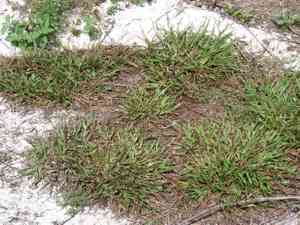
Thin paspalum (Paspalum setaceum)
Also known as: Slender beadgrass
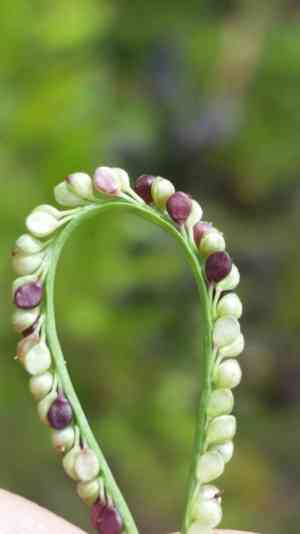
This grass species is a perennial with both erect and prostrate stems, potentially growing over one meter in length. Its flat leaf blades range from hairless to slightly hairy and exhibit color variations. The panicle features up to 6 branches, each extending up to 17 centimeters and adorned with small, oval to rounded spikelets. Several varieties exist, distinguishable partly by their color differences. However, there is disagreement among experts, with some not acknowledging these varieties.
In This Article
Attributes of Thin paspalum
Lifespan
Perennial
Plant Type
Grass
Plant Height
38 cm to 1.02 m
Spread
Not applicable
Leaf Color
Green
Flower Size
Small, not usually measured
Flower Color
Greenish to purplish
Images of Thin paspalum
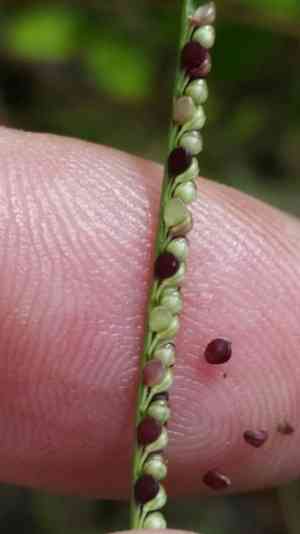
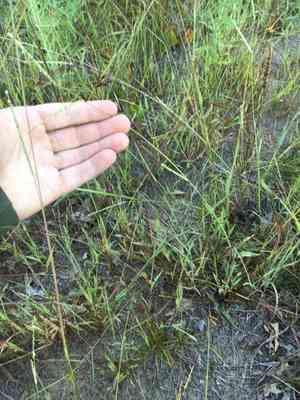
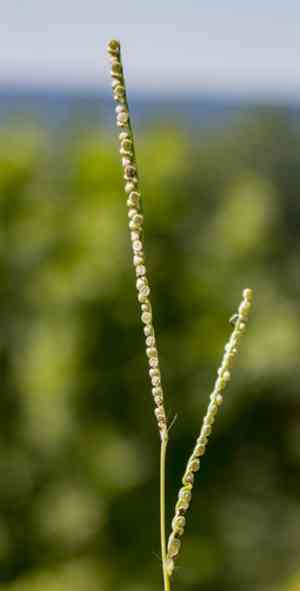
Quickly Identify Thin paspalum
1
Thin Paspalum can be identified by its narrow, erect leaves and the characteristic inflorescence that consists of several racemes. The spikelets are typically small and arranged in two rows along one side of the raceme.
Scientific Classification of Thin paspalum
Phylum
Vascular plants
Class
Monocotyledons
Order
Poales
Family
Grass
Genus
Paspalum
Species
Thin paspalum
Planting and Growing of Thin paspalum
Care Difficulty
Easy
Watering Schedule
Every 8 days
Sunlight Requirements
Full sun
Sunshine Duration
4-6 hours
Ideal Temperature
75-85℉
Soil Type
Potting Mix, Peat Mix
Soil pH
5.8-7.5
Fertilizer Type
Balanced
Pruning Season
Spring, Summer
Pruning Area
Branches, Leaves
Pruning Frequency
2 times a year
Repotting Season
Spring
Pot Type
Plastic, Ceramic
 How to Water Thin paspalum?
For Paspalum setaceum, each watering session should involve around 150 milliliters of water. This amount is enough to allow the soil to become moist without being waterlogged. It is important to ensure the top layer of soil is moist to the touch, without excess water standing on the surface or in the saucer below the pot. This helps maintain optimal moisture levels for healthy root growth.
What are the symptoms of an underwatered Thin paspalum?
›
What should I do if my Thin paspalum is not getting enough water?
›
What are the symptoms of an overwatered Thin paspalum?
›
How to save an overwatered Thin paspalum?
›
 What Are the Sunlight Requirements for Thin paspalum?
Paspalum setaceum thrives in full to partial sun exposure, benefiting from 4 to 8 hours. This balance promotes robust growth, vibrant color, and overall plant health.
What is the ideal lighting condition for Paspalum setaceum?
›
How can I ensure Paspalum setaceum gets optimal light?
›
What benefits will Paspalum setaceum experience from optimal light exposure?
›
 What Is the Ideal Temperature Range for Thin paspalum?
The ideal temperature range for Paspalum setaceum is between 75°F and 85°F. Within this range, the plant can thrive, showing optimal growth and development. Ensuring a stable temperature in this range allows it to photosynthesize efficiently and maintain healthy growth patterns.
 What Soil is Best for Thin paspalum?
Paspalum setaceum thrives in well-drained soils that prevent root rot by allowing excess water to escape quickly. This characteristic reduces susceptibility to fungal diseases, ensuring robust growth. This plant prefers soils with moderate nutrient levels, which help maintain balanced growth. Over-fertilization can lead to excessive foliage and underdeveloped root systems. Well-aerated soils facilitate optimal root development and oxygen access, essential for Paspalum setaceum’s ability to absorb nutrients efficiently and sustain healthy growth.
 How to Fertilize Thin paspalum?
For Paspalum setaceum, use a balanced fertilizer with an N-P-K ratio of 10-10-10. When applying liquid fertilizers, a dilution rate of 1 tablespoon per gallon of water is adequate. For solid fertilizers, use about 1 pound per 100 square feet. This ensures sufficient nutrient supply without over-fertilizing.
 How to Prune Thin paspalum?
Before pruning, take a step back and observe the plant’s overall shape. Decide which areas require thinning to maintain an aesthetically pleasing form and ensure even growth. Make pruning decisions based on the desired final shape. When making cuts, ensure they are just above a node, or joint, from where leaves emerge. This encourages new growth and helps the plant maintain a healthy appearance. The cut should be clean and slightly angled to facilitate water runoff. Start by removing any dead, diseased, or damaged blades of grass. This prevents any potential spread of illness to healthier parts of the plant and improves its overall health and appearance.
 How to Propagate Thin paspalum plant?
1
Harvest seeds from mature Paspalum setaceum plants. Clean the seeds to remove any debris or pulp to prevent mold during storage and to increase likelihood of germination.
2
Use a well-draining soil mix. Incorporate equal parts of sand, peat moss, and perlite to ensure proper aeration and drainage, essential for seedling health.
3
Sow seeds on the surface of the prepared soil mix and gently cover with a thin layer of soil. Mist the area lightly to ensure the seeds stay moist but not waterlogged.
 How to Repot Thin paspalum plant?
1
Paspalum setaceum needs repotting when you notice roots growing out of the drainage holes or the growth is stunted. Spring or early summer is the best time, as the plant is in its active growth phase and can recover quickly from the stress of repotting.
2
Select a pot that is 1 to 2 inches larger in diameter than the current one. Ensure that it has sufficient drainage holes to prevent waterlogging, which can cause root rot. A slightly larger pot encourages growth while not overwhelming the plant's root system.
3
Use a well-draining potting mix composed of equal parts sand, peat, and perlite. This mix prevents compaction, promotes aeration, and retains appropriate moisture levels, crucial for the health of Paspalum setaceum.



