How to Propagate Myrsine guianensis?
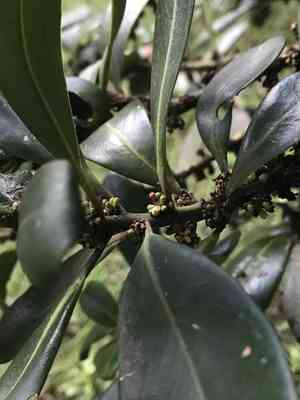
Myrsine guianensis is a botanical species within the Myrsine family, recognized for its robust and versatile characteristics. For reproduction, employing cuttings proves efficient. Obtain semi-hardwood cuttings, verifying their length is approximately 4-6 inches, and strip off the bottom foliage. Insert the cuttings into a potting mixture that drains effectively, maintaining consistent dampness until root systems emerge. Perseverance and meticulousness are crucial for successful propagation.
When Is the Optimal Time to Propagate Myrsine Guianensis?
Propagation Type
Cutting
Propagation Season
Spring,Summer
What Equipment Is Utilized in Myrsine Guianensis Propagation?
Pruning Shears
Employed to obtain accurate and clean cuttings from myrsine guianensis, ensuring the plant remains unharmed and the cuttings stay healthy and viable for propagation.
Rooting Hormone
Applied to the severed end of cuttings to encourage root development and enhance the likelihood of successful propagation in myrsine guianensis.
Sterile Containers
Essential for planting the cuttings to prevent any contamination that could harm the delicate new roots of myrsine guianensis.
Propagation Trays
Utilized to arrange and manage multiple cuttings of myrsine guianensis in a controlled setting, simplifying monitoring and care for the young plants.
Humidity Dome
Provides a moist environment crucial for myrsine guianensis cuttings to prevent dehydration and foster root growth during the initial phases.
Potting Mix
A well-draining and nutrient-rich growing medium specifically formulated to support the new roots of myrsine guianensis, ensuring robust development.
Spray Bottle
Used to mist myrsine guianensis cuttings and maintain the necessary humidity level, preventing the leaves from drying out.
Labeling Tags
Ensure each myrsine guianensis cutting is properly identified to track propagation progress and care requirements.
How to Propagate Myrsine Guianensis?
Propagation Type
Moderately Difficult
How to Care for Your Newly Propagated Myrsine Guianensis?
How to Care for Your Newly Propagated Myrsine Guianensis?
Once roots have formed on the cuttings (typically within 4-6 weeks), gradually introduce them to normal humidity by removing the cover for increasing durations daily. Transplant the rooted cuttings into individual pots with well-draining soil. Water consistently, allowing the top inch of soil to dry between waterings. Ensure the plants receive bright, indirect light and maintain a temperature between 65-75°F (18-24°C). Fertilize lightly with a balanced, water-soluble fertilizer every 2-4 weeks during the growing season.
Common Errors to Avoid When Propagating Myrsine Guianensis
Overwatering
Excessive moisture can lead to root rot and fungal diseases, severely impeding propagation success.
Using Heavy Soil
Dense soil restricts root development and drainage, making it challenging for myrsine guianensis to establish healthy roots.
Inadequate Light
Insufficient light can hinder proper photosynthesis, stunting growth and reducing overall vigor.
Neglecting Humidity
Ignoring the need for sufficient humidity can dry out cuttings or young plants, impeding their development.
Improper Cutting Techniques
Using dull or dirty tools can damage plant tissues and introduce infections, reducing the viability of cuttings.
Tips For Propagating Myrsine Guianensis
Watering Moderately
Ensure the soil is consistently moist but not waterlogged to support healthy root development.
Using Well-Draining Soil
Opt for a mix that allows for proper drainage, such as a combination of peat, perlite, and coarse sand.
Providing Adequate Light
Place the plant in a location with bright, indirect light to facilitate robust growth.
Maintaining Humidity
Use a humidity dome or mist the plants regularly to keep the environment humid, which is crucial for successful propagation.
Using Sterile, Sharp Tools
Always use sterilized and sharp tools to make clean cuttings, reducing the risk of infections and ensuring healthy tissue.



