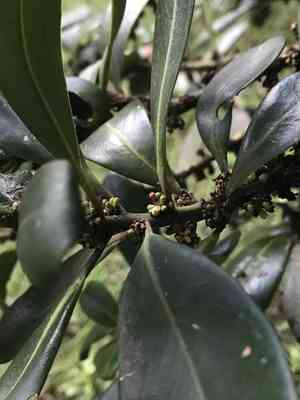
Myrsine guianensis (Myrsine guianensis)
Also known as: None
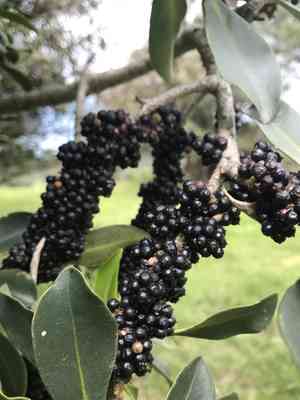
Myrsine guianensis is an adaptable evergreen shrub that excels in tropical rainforest habitats. Its robust, glossy leaves form a thick canopy that allows it to thrive beneath the forest's dense shade. The shrub produces small white flowers that develop into purple-black berries, offering food to various wildlife species. Its exceptional ability to grow in low-light conditions makes it an important part of the forest understory.
In This Article
Attributes of Myrsine guianensis
Lifespan
Perennial
Plant Type
Shrub
Plant Height
4.5 m to 6 m
Spread
2.5 m to 3.5 m
Leaf Color
Dark green
Flower Size
0.2-0.5 centimeters
Flower Color
White
Images of Myrsine guianensis
Quickly Identify Myrsine guianensis
1
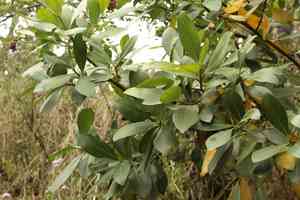
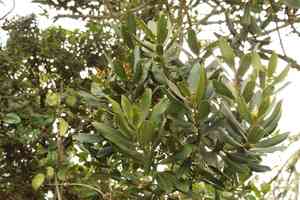
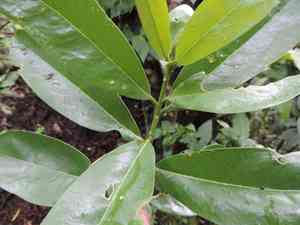
Myrsine guianensis can be identified by its leathery, dark green leaves and small, inconspicuous flowers usually clustered along the stems.
Scientific Classification of Myrsine guianensis
Phylum
Vascular plants
Class
Dicotyledons
Order
Ericales
Family
Primrose
Genus
Colicwood
Species
Myrsine guianensis
Planting and Growing of Myrsine guianensis
Care Difficulty
Moderate
Watering Schedule
Every 2 days
Sunlight Requirements
Partial sun
Sunshine Duration
6-8 hours
Ideal Temperature
65-77℉
Soil Type
Potting Mix, Peat Mix
Soil pH
6-7.5
Fertilizer Type
Balanced
Pruning Season
Spring, Summer
Pruning Area
Branches, Leaves
Pruning Frequency
2 times a year
Repotting Season
Spring
Pot Type
Plastic, Terracotta
 How to Water Myrsine guianensis?
For Myrsine guianensis, it is crucial to ensure the soil remains consistently moist without being waterlogged. Each watering session should provide approximately 250 milliliters of water per pot. The aim is to soak the soil until water starts to drain out from the bottom, which ensures even hydration while avoiding standing water.
What are the symptoms of an underwatered Myrsine guianensis?
›
What should I do if my Myrsine guianensis is not getting enough water?
›
What are the symptoms of an overwatered Myrsine guianensis?
›
How to save an overwatered Myrsine guianensis?
›
 What Are the Sunlight Requirements for Myrsine guianensis?
A light range of partial sun or full shade allows for maintaining the plant's lush foliage and robust health. Consistent with these conditions, Myrsine guianensis will benefit from steady photosynthesis, ensuring vitality and growth without stress from light extremes.
How much sunlight is ideal?
›
What is the best location for this plant?
›
How to achieve ideal light conditions indoors?
›
 What Is the Ideal Temperature Range for Myrsine guianensis?
The ideal temperature range for growing Myrsine guianensis is between 65°F and 77°F. These temperatures closely mimic the plant's native tropical environment, providing a balance that supports healthy growth and development. Consistency in this temperature range ensures that the plant can manage its physiological processes efficiently, promoting vigorous growth and vitality.
 What Soil is Best for Myrsine guianensis?
Myrsine guianensis thrives in well-draining soil to prevent root rot caused by waterlogging. Its roots require access to air, and good drainage ensures the plant receives adequate oxygen supply. A soil with moderate fertility is ideal for Myrsine guianensis, providing enough nutrients for optimal growth without leading to excessive growth spurts that can cause structural issues. The plant prefers slightly acidic to neutral pH levels. This range is crucial because it helps nutrient availability and overall soil health, supporting vibrant foliage and strong growth.
 How to Fertilize Myrsine guianensis?
For Myrsine guianensis, ensure you use a balanced fertilizer, as too much nitrogen can lead to excessive foliage growth at the expense of flowers. A diluted liquid fertilizer, at half the recommended strength, should be sufficient for most sizes of this plant, promoting healthy growth without overwhelming the roots.
 How to Prune Myrsine guianensis?
Make sure to use clean and sharp pruning shears. Dull tools can damage the plant, causing rough cuts that are more susceptible to disease. Focus on removing dead or unhealthy branches first. This encourages the plant to allocate its resources to more vigorous areas. Also, remove any branches that cross or rub against each other. Always cut at a 45-degree angle. This technique helps prevent water from settling on the wound, reducing the risk of rot or fungal infection.
More About Pruning Techniques→
 How to Propagate Myrsine guianensis plant?
1
Begin by soaking the seeds in warm water for 24 hours to help soften the seed coat and enhance germination rates. This process can significantly improve the speed and success of germination.
2
Select healthy stems when preparing cuttings. Use a clean cut at a 45-degree angle to increase the surface area for rooting, and dip in rooting hormone to facilitate faster root development.
3
Insert the prepared cuttings into a moist, well-draining soil medium. Ensure they are placed in a warm location with indirect light, as this encourages rooting without drying the cuttings out.
 How to Repot Myrsine guianensis plant?
1
Look for signs such as roots growing out of drainage holes or surface, slow growth, or soil drying out too quickly. These symptoms indicate your Myrsine guianensis needs more room and fresh soil to thrive and grow healthily.
2
Select a pot that's 1-2 inches larger in diameter than the current one, with good drainage holes. This helps prevent waterlogged conditions and allows roots to expand, fostering healthy plant development and reducing the risk of root rot.
3
Opt for a well-draining potting soil mix enriched with organic matter. This ensures the soil retains just the right amount of moisture without becoming soggy, providing an ideal environment for Myrsine guianensis to establish strong roots and grow vigorously.
Learn More About Myrsine guianensis Diseases
Anthracnose
Bacterial Leaf Spot
Bacterial Soft Rot
Bacterial Wilt
Black Spot
Chemical Injury
Crown Gall
Damping-off
Downy Mildew
Drought Stress
Fusarium Wilt
Gray Mold
Leaf Curl
Leaf Spot
Mosaic
Nutrient Deficiency
Nutrient Toxicity
Powdery Mildew
Root Rot
Root-knot Nematode
Rusts
Sooty Mold
Spider Mites
Temperature Stress
Thrips Damage
White Mold



