How to Propagate Pull-up muhly?
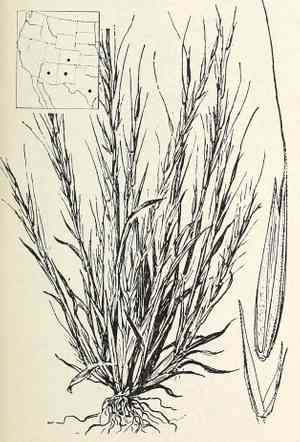
Pull-up muhly is a perennial grass predominantly located in damp pastures and along riverbanks. For successful propagation, plant its seeds in adequately drained and hydrated soil, ensuring a shallow covering over the seeds. Sustain a continuously moist setting to facilitate sprouting. Periodically thin out young plants to encourage robust development. Vigilant pest inspection is crucial to prevent harm during the initial phases. Appropriate nurturing will yield a flourishing, appealing grass suitable for diverse garden environments.
Optimal Time for Pull-up Muhly Propagation
Propagation Type
Sowing
Propagation Season
Spring
Tools for Pull-up Muhly Propagation
Seed Tray
Seed trays offer an organized and regulated setting for planting pull-up muhly seeds. They aid in achieving consistent germination and are simple to manage regarding watering and seedling relocation.
Sterile Soil Mix
A sterile soil blend is crucial for preventing soil-borne diseases during the germination phase. This mix guarantees that pull-up muhly seeds have a healthy, uncontaminated medium for growth.
Humidity Dome
Humidity domes assist in maintaining high moisture levels, which are vital for the germination of pull-up muhly seeds. They ensure the seeds stay damp and prevent desiccation during the initial germination stage.
Misting Bottle
A misting bottle is utilized to gently water pull-up muhly seeds without disturbing the soil. This method prevents overwatering and ensures the delicate seeds remain in place within the soil mix.
Heat Mat
Heat mats provide consistent soil warmth, which is advantageous for the germination of pull-up muhly. Maintaining an ideal temperature accelerates germination and encourages uniform development.
Seed Labeling Stakes
Labeling stakes help in identifying pull-up muhly seeds, making it easy to track their growth progress. This prevents confusion with other plant species and helps keep propagation organized.
Fine Mesh Sieve
A fine mesh sieve is employed to cover pull-up muhly seeds with a thin layer of soil or sand. This tool ensures an even and fine covering, creating an ideal environment for seedling emergence.
Grow Lights
Grow lights are essential for supplying sufficient illumination to pull-up muhly seedlings, especially if natural sunlight is inadequate. They promote healthy growth and prevent leggy seedlings.
Propagating Pull-up Muhly
Propagation Type
Easy
Caring for Newly Propagated Pull-up Muhly
Caring for Newly Propagated Pull-up Muhly
Post-germination, gradually introduce seedlings to outdoor conditions by exposing them to increasing amounts of direct sunlight over 7-10 days. Transplant seedlings to their permanent spot with well-draining soil and full sun. Water regularly during establishment, keeping the soil moist but not waterlogged. Once established, pull-up muhly is relatively drought-tolerant and needs minimal upkeep, making it perfect for naturalized meadows and erosion control.
Common Propagation Mistakes for Pull-up Muhly
Overwatering
Excessive moisture can lead to root rot and fungal infections, jeopardizing the plant's vitality.
Poor Soil Drainage
Soil that doesn't drain effectively can cause water to accumulate around roots, leading to issues similar to overwatering.
Inadequate Light
Insufficient sunlight can hinder growth and impact photosynthesis, resulting in weak plants.
Improper Seed Handling
Damaging seeds or failing to provide proper germination conditions can lead to a low propagation success rate.
Crowded Planting
Planting too many seeds or cuttings too closely can result in competition for resources, stunting development.
Tips for Propagating Pull-up Muhly
Use Well-Draining Soil
Ensure the soil mixture allows excess water to drain, preventing root rot and fostering healthy root development.
Moderate Watering
Water the plant only when the topsoil feels dry to the touch, maintaining an optimal moisture level.
Adequate Sunlight
Position the plant where it can receive full to partial sunlight for optimal growth and development.
Handle Seeds Carefully
Gently manage and plant seeds, providing a light soil covering and consistent moisture for successful germination.
Space Out Plantings
Ensure sufficient spacing between seeds or cuttings to allow for proper growth and resource allocation.



