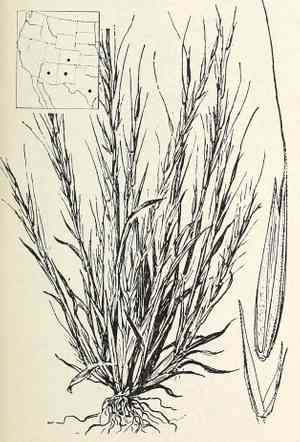
Pull-up muhly (Muhlenbergia filiformis)
Also known as: Threadleaf Muhly
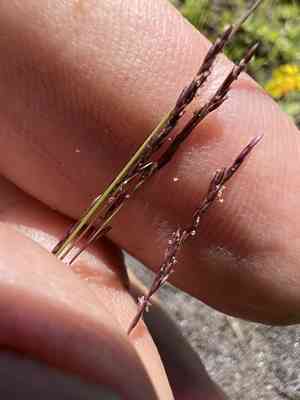
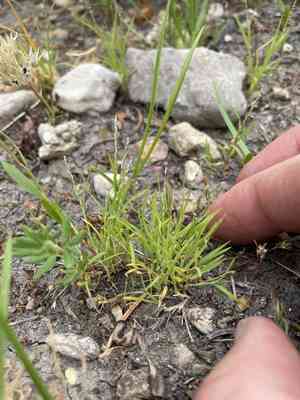
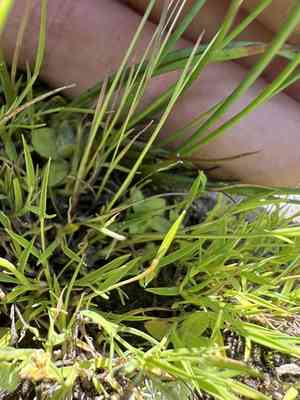
Muhlenbergia filiformis is an annual grass that forms clumps of decumbent stems, which can grow up to 30 centimeters in length and root at the nodes when they contact the ground. Its inflorescence consists of a narrow, cylindrical arrangement of closely appressed branches, each containing numerous small spikelets about a millimeter in length.
In This Article
Attributes of Pull-up muhly
Lifespan
Annual
Plant Type
Grass
Plant Height
10-60 cm (4-24 inches)
Spread
Approximately 30 cm (12 inches)
Leaf Color
Green
Flower Size
Small, about 1-3 mm
Flower Color
Purplish to brownish
Images of Pull-up muhly
Quickly Identify Pull-up muhly
1
To identify Threadleaf Muhly, look for fine, filiform (thread-like) leaves that form dense clumps. The flowering panicles are delicate and airy, typically blooming in late summer to early fall.
Scientific Classification of Pull-up muhly
Phylum
Vascular plants
Class
Monocotyledons
Order
Poales
Family
Grass
Genus
Muhly
Species
Pull-up muhly
Planting and Growing of Pull-up muhly
Care Difficulty
Easy
Watering Schedule
Every 4 days
Sunlight Requirements
Full sun
Sunshine Duration
4-8 hours
Ideal Temperature
65-77℉
Soil Type
Potting Mix, Peat Mix
Soil pH
6.5-7.5
Fertilizer Type
Balanced
Pruning Season
Spring, Summer
Pruning Area
Branches, Leaves
Pruning Frequency
2 times a year
Repotting Season
Spring
Pot Type
Plastic, Ceramic
 How to Water Pull-up muhly?
Muhlenbergia filiformis requires moderate watering. Ensure the soil remains consistently moist but not waterlogged. Watering should be thorough, but allow the soil to partly dry out between sessions. This will promote healthy root growth and prevent rot.
What are the symptoms of an underwatered Pull-up muhly?
›
What should I do if my Pull-up muhly is not getting enough water?
›
What are the symptoms of an overwatered Pull-up muhly?
›
How to save an overwatered Pull-up muhly?
›
 What Are the Sunlight Requirements for Pull-up muhly?
Full sunlight or partial sunlight is beneficial, allowing Muhlenbergia filiformis to maintain its lush and green foliage. Ideal lighting promotes robust growth and enhances the plant's ornamental appeal.
What are the best lighting conditions for Muhlenbergia filiformis?
›
How can you ensure Muhlenbergia filiformis gets its ideal lighting?
›
What benefits does optimal lighting bring to Muhlenbergia filiformis?
›
 What Is the Ideal Temperature Range for Pull-up muhly?
The ideal temperature range for growing Muhlenbergia filiformis is between 65°F and 77°F. This range allows for optimal growth and vigor. The plant can efficiently conduct photosynthesis and maintain cell functions within this temperature range.
 What Soil is Best for Pull-up muhly?
Muhlenbergia filiformis thrives in well-drained soil, which prevents waterlogging and root rot. Ensuring proper drainage increases aeration, allowing roots to absorb nutrients effectively, leading to healthier plant growth and resilience against diseases. This grass benefits from a nutrient-rich substrate that provides essential minerals and organic matter. Such a substrate supports vigorous growth and improves the plant's ability to produce vibrant foliage, enhancing its ornamental appeal. The soil should maintain moderate moisture retention, which is ideal for sustaining consistent hydration. This balance prevents drying out while avoiding excessive sogginess, thus not stressing the plant and ensuring steady growth and health.
 How to Fertilize Pull-up muhly?
Muhlenbergia filiformis prefers a balanced approach to fertilization. Stick to a recommended dosage of half a teaspoon of liquid fertilizer diluted in one gallon of water, applied twice per month during the growing season. This ensures gradual nutrient absorption without causing root burn.
 How to Prune Pull-up muhly?
Begin by identifying any dead or damaged culms, which are the grass-like stems that may appear brown or brittle. Using a pair of sharp scissors or pruning shears, carefully trim these parts back to base level. This not only revitalizes the plant but also prevents potential diseases. If your Muhlenbergia filiformis is growing unevenly, gently trim taller sections to match the overall silhouette. This helps maintain an attractive and uniform appearance. Be cautious not to cut more than one-third of the plant's height at a time to avoid stress. During spring and summer, focus on more frequent, lighter trims that encourage lush growth. In autumn, aim for a more thorough pruning to prepare the grass for its winter dormancy period, boost vigor come springtime.
More About Pruning Techniques→
 How to Propagate Pull-up muhly plant?
1
Begin by selecting mature seeds and soaking them in water for 24 hours, which helps to break dormancy and improve germination rates.
2
Seeds should be sown in seed trays filled with a mix of sand and potting soil, and covered lightly, ensuring they receive enough light and moisture.
3
For division, carefully dig out the plant and divide it into sections with a sharp spade, ensuring each section has an adequate root system.
 How to Repot Pull-up muhly plant?
1
Repot Muhlenbergia filiformis when it starts outgrowing its current container, usually indicated by roots showing through the drainage holes or a noticeable slowdown in growth. Early spring is ideal, capitalizing on the plant's natural growth period as it adapts to its new environment.
2
Choose a pot that's just slightly larger than the current one and ensure it has excellent drainage. A pot that is too large can lead to water retention issues, while a well-draining pot allows for optimal growth and prevents root rot, making it perfect for Muhlenbergia filiformis.
3
Select a well-draining sandy soil mix with low fertility to mimic the plant’s natural habitat. Sandy soil prevents water accumulation around the roots, reducing the risk of decay and ensuring the plant's roots can breathe and grow effectively.



