How to Propagate San pedro daisy?
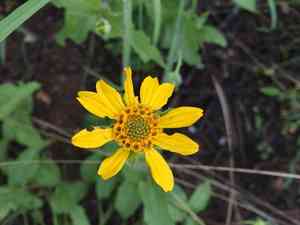
San pedro daisy can be effectively multiplied via cuttings. To ensure successful root development, select cuttings from robust stems. Employ a sharp, sterilized blade to minimize harm and the potential for disease. Insert the cuttings into a potting blend that drains efficiently, ideally during a temperate, consistent weather phase to foster root growth. Consistent irrigation is vital, but refrain from overwatering to avert root decay.
Optimal Time for San Pedro Daisy Propagation
Propagation Method
Cutting
Propagation Period
Spring,Summer
Tools for San Pedro Daisy Propagation
Sharp Pruning Shears
These are crucial for obtaining clean, precise cuttings from san pedro daisy. Sharp shears ensure a neat cut, minimizing harm to both the parent plant and the cutting, thereby boosting the likelihood of successful rooting. Utilizing shears with rust-resistant and easy-to-clean blades helps prevent disease transmission during the cutting process.
Rooting Hormone
This compound promotes root development from san pedro daisy cuttings, significantly enhancing propagation success rates. It stimulates root cell formation at the cutting site when applied to the freshly cut stem end. Rooting hormones are especially beneficial for san pedro daisy, which might otherwise root slowly or with difficulty.
Sterilized Potting Mix
Using a sterilized mix prevents the introduction of pathogens to new cuttings. A well-draining, nutrient-rich potting soil offers an ideal setting for san pedro daisy cuttings to establish roots. The mix should retain moisture without becoming waterlogged, which is vital in preventing rot in new cuttings.
Humidity Dome
San pedro daisy cuttings can benefit from a regulated humidity environment to prevent excessive moisture loss. A humidity dome covers the cuttings and pots, helping to maintain consistent humidity levels, which is essential for encouraging root development during the initial growth stages.
Heat Mat
This tool provides consistent warmth from below, a condition that can help improve the rooting efficiency and speed for san pedro daisy cuttings. Heat mats mimic a warm growing environment, which enhances enzyme activity necessary for root growth, particularly advantageous during cooler months.
Propagating San Pedro Daisy
Propagation Type
Easy
Caring for Your Newly Propagated San Pedro Daisy
Caring for Your Newly Propagated San Pedro Daisy
Post-propagation, gradually introduce san pedro daisy to less humid conditions by opening the plastic cover for increasing durations over a week. Once rooted, water the plants regularly but allow the soil to dry out slightly between waterings. San pedro daisy thrives in bright, indirect light and moderate temperatures. Monitor for pests and diseases, especially during the vulnerable stages of new growth.
Common Errors to Avoid When Propagating San Pedro Daisy
Overwatering cuttings
Excessive watering of san pedro daisy cuttings can lead to root rot and fungal infections, weakening the propagation material before it can establish.
Incorrect cutting size
Using cuttings that are too large or too small can impact rooting success. Cuttings that are too small may lack the necessary reserves to support growth, while overly large ones may struggle to sustain themselves before rooting.
Neglecting hygiene
Failing to sterilize tools or using contaminated soil can introduce pathogens, severely affecting the health of san pedro daisy and potentially leading to failed propagation efforts.
Advice for Propagating San Pedro Daisy
Use well-draining soil
Employing well-draining soil ensures that excess water is efficiently removed, preventing root rot and fostering a healthier environment for root development in san pedro daisy.
Maintain optimal humidity
Creating a humidity-controlled environment can stimulate root growth in san pedro daisy by preventing dehydration and supporting essential physiological processes in the cuttings.
Cut below a node
When taking cuttings from san pedro daisy, ensure each piece includes at least one node as this is where new roots are more likely to emerge, improving propagation success.



