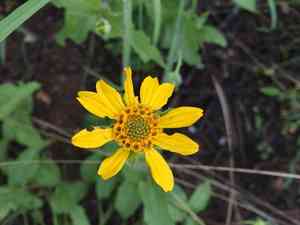
San pedro daisy (Lasianthaea podocephala)
Also known as: None
The San Pedro daisy, a perennial flowering plant, is known for its bright yellow blooms that add a splash of color to its environment. It features broad, heart-shaped leaves that provide a lush green contrast to its vibrant flowers. This plant flourishes in well-drained soils and areas with plenty of sunlight, favoring open, sunny habitats. By attracting pollinators like bees and butterflies, the San Pedro daisy plays an essential role in supporting local wildlife and maintaining ecological balance.
In This Article
Attributes of San pedro daisy
Lifespan
Perennial
Plant Type
Herb
Plant Height
0.5 to 1 meter (1.6 to 3.3 feet)
Spread
N/A (Herbaceous plant)
Leaf Color
Green
Flower Size
1 to 2 centimeters
Flower Color
Yellow
Images of San pedro daisy
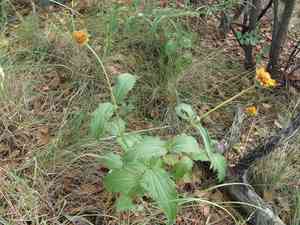
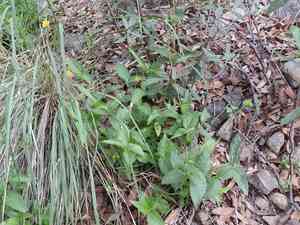
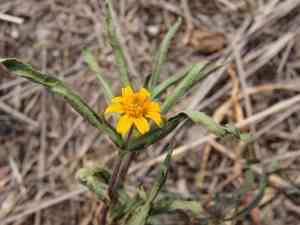
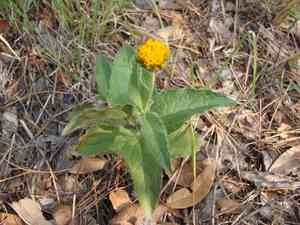
Quickly Identify San pedro daisy
1
Identify Lasianthaea podocephala by looking for its characteristic yellow flowers and elongated leaves. The plant typically has a hairy stem and its flower heads are clustered.
Scientific Classification of San pedro daisy
Phylum
Vascular plants
Class
Dicotyledons
Order
Asterales
Family
Daisy
Genus
Lasianthaea
Species
San pedro daisy
Planting and Growing of San pedro daisy
Care Difficulty
Easy
Watering Schedule
Every 3 days
Sunlight Requirements
Full sun
Sunshine Duration
4-8 hours
Ideal Temperature
65-75℉
Soil Type
Potting Mix, Peat Mix
Soil pH
6.5-7.5
Fertilizer Type
Balanced
Pruning Season
Spring, Summer
Pruning Area
Branches, Leaves
Pruning Frequency
Once a year
Repotting Season
Spring
Pot Type
Plastic, Ceramic
 How to Water San pedro daisy?
Lasianthaea podocephala typically requires around 500 milliliters of water per session. The key to watering this plant is ensuring the soil is evenly moist but not soggy. The water should reach the roots without pooling on the surface. Aim for the soil to dry out slightly between waterings.
What are the symptoms of an underwatered San pedro daisy?
›
What should I do if my San pedro daisy is not getting enough water?
›
What are the symptoms of an overwatered San pedro daisy?
›
How to save an overwatered San pedro daisy?
›
 What Are the Sunlight Requirements for San pedro daisy?
Lasianthaea podocephala ideally requires full sun to partial sun exposure. Full sun enhances its blooming potential, fostering robust growth and vibrant colors, crucial for its ornamental appeal.
What is the ideal location for the plant?
›
What can boost its health besides sunlight?
›
What are the benefits of ideal sunlight exposure?
›
 What Is the Ideal Temperature Range for San pedro daisy?
Lasianthaea podocephala thrives best in temperatures ranging from 65 to 75 degrees Fahrenheit. This range promotes optimal photosynthesis, ensuring healthy leaf and flower development. Maintaining this temperature range helps avoid stress, promoting lush and vibrant growth in the plant's natural habitat.
 What Soil is Best for San pedro daisy?
Lasianthaea podocephala thrives in well-draining soil, which prevents root rot by allowing excess water to escape easily. This kind of soil maintains moisture without becoming waterlogged, which is essential for healthy root development. The plant benefits from soil enriched with organic matter. Nutrient-rich soil provides the essential minerals and nutrients that fuel the plant's growth and support blooming, leading to a healthier and more robust plant. Lasianthaea podocephala requires a balanced fertility level. A moderate supply of nutrients ensures steady growth and prevents excessive vegetation that could lead to fewer blooms. It's important for sustaining both plant health and aesthetic appeal.
 How to Fertilize San pedro daisy?
For Lasianthaea podocephala, the fertilizer amount should be modest, given its sensitivity to over-fertilization. Use a balanced liquid fertilizer at half the recommended strength. This plant appreciates nutrients, but a lighter approach prevents root damage and ensures steady growth.
 How to Prune San pedro daisy?
The first step in pruning Lasianthaea podocephala is to remove any branches that are dead or show signs of disease. Use sharp scissors or pruning shears to make clean cuts close to the main stem to prevent pests and diseases. To maintain an attractive and balanced shape, carefully trim any overgrown or uneven parts of the plant. Make your cuts just above a leaf node or lateral branch to encourage bushier growth and maintain the plant’s desired shape. Pruning also involves thinning out dense areas to improve light penetration and air circulation. By doing so, you help prevent fungal diseases and promote a robust and healthy Lasianthaea podocephala.
More About Pruning Techniques→
 How to Propagate San pedro daisy plant?
1
Collect mature seeds and clean them thoroughly. Scarify or soak the seeds overnight if they have a hard coat to facilitate germination. Plant them shallowly in seedling trays filled with a well-draining soil mix.
2
Select healthy and disease-free stems for cuttings. Cut a segment about 4 to 6 inches long, ensuring there are at least two nodes present. Remove lower leaves to prevent rot and dip the cut end in rooting hormone before planting.
3
Plant the cuttings in a pot with a suitable propagation medium such as a mix of perlite and peat. Keep the medium moist but not waterlogged. Provide indirect sunlight and maintain a warm environment to encourage root growth.
 How to Repot San pedro daisy plant?
1
Lasianthaea podocephala requires repotting when its roots begin to circle the pot or emerge through drainage holes. Additionally, if the plant's growth appears sluggish despite regular care, it may indicate that the current pot size no longer supports its needs, warranting repotting.
2
Select a pot that is only one or two sizes larger than the current one, preferably with good drainage holes. This ensures that excess water can escape, preventing root rot and allowing the plant to thrive in its new environment.
3
Opt for a well-draining potting mix that is rich in organic matter. This type of soil will provide the necessary nutrients while preventing waterlogging, ensuring healthy root growth and overall plant vitality.
Learn More About San pedro daisy Diseases
Anthracnose
Bacterial Leaf Spot
Bacterial Wilt
Crown Gall
Cyst Nematode
Damping-off
Downy Mildew
Drought Stress
Fusarium Wilt
Gray Mold
Leaf Spot
Mosaic
Nutrient Deficiency
Nutrient Toxicity
Powdery Mildew
Root Rot
Root-knot Nematode
Rusts
Sooty Mold
Spider Mites
Temperature Stress
Thrips Damage
White Mold
Chemical Injury



