How to Propagate Needlegrass rush?
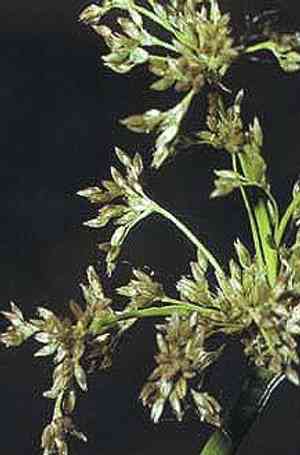
Juncus effusus flourishes in marshy environments and is frequently multiplied by splitting. This technique entails meticulously detaching the plant's underground stems during relocation, making certain each segment possesses roots. Following separation, prompt re-establishment in damp, adequately draining substrate encourages robust root development and averts dehydration. Consistent irrigation and moderate sunlight exposure foster strong development after transplantation.
Optimal Time for Needlegrass Rush Propagation
Propagation Method
Division
Propagation Period
Spring,Autumn
Tools for Needlegrass Rush Propagation
Sharp Knife or Garden Shears
These implements are vital for making clean cuts through the root ball during needlegrass rush division, minimizing root trauma. A precise, clean cut promotes faster healing and lowers the risk of disease entering cut surfaces. This is essential for ensuring healthy, viable needlegrass rush divisions for replanting.
Garden Spade or Fork
Utilized to carefully extract the entire needlegrass rush plant from the ground without harming its root system. A spade or fork with a sharp edge is especially effective for penetrating dense soil and gently prying the plant loose. This tool is fundamental in the initial propagation step to keep roots intact and healthy.
Watering Can with a Fine Rose
After replanting needlegrass rush divisions, gentle irrigation is necessary. The fine rose attachment on a watering can ensures a soft, even water distribution, which helps settle the soil around the roots and reduces stress on newly planted divisions. Proper watering is crucial for re-establishing divisions and encouraging new root development.
Rooting Hormone (optional)
Though not always required, applying a rooting hormone to the cut root ends can boost root growth and establishment. This is particularly beneficial for ensuring each needlegrass rush division develops a strong, healthy root system. It also potentially accelerates recovery and growth post-propagation.
How to Propagate Needlegrass Rush?
Propagation Type
Easy
Caring for Newly Propagated Needlegrass Rush
Caring for Newly Propagated Needlegrass Rush
Post-propagation, maintain consistently damp soil for newly planted needlegrass rush. They thrive in full to partial sunlight and prefer wet, marshy conditions. Regularly inspect for pest or disease signs, and manage with appropriate cultural or chemical methods if needed. This care routine ensures healthy establishment and vigorous growth after propagation.
Common Errors to Avoid When Propagating Needlegrass Rush
Overwatering during propagation
Excessive watering can lead to root rot and fungal issues in needlegrass rush, particularly in seedlings or young plants still developing their root systems. Saturated soil hinders the plant's ability to absorb oxygen, resulting in stunted growth and potentially fatal conditions for developing plants.
Ignoring soil condition
Needlegrass rush thrives in well-draining, nutrient-rich soil. Using a poor soil mix that either retains too much water or lacks sufficient nutrients can impede root development and overall growth, making it ineffective for successful propagation.
Planting at inappropriate depth
Planting needlegrass rush too deeply can cause the plant bases to rot, while planting too shallowly might expose roots, leading to damage or drying out, thereby reducing the plant's chances of survival and proper establishment.
Tips For Propagating Needlegrass Rush
Use fresh seeds or healthy plant divisions
For needlegrass rush, utilizing fresh, viable seeds or dividing robust plants significantly increases the likelihood of success. Fresh materials are more likely to possess the vigor required for establishing new growth.
Maintain optimal moisture levels
While overwatering is detrimental, keeping a consistently moist (not waterlogged) substrate is vital for successful needlegrass rush propagation. This balances the need for adequate water for growth while preventing overly saturated conditions.
Provide proper aeration and drainage
Employing a well-draining growing medium helps prevent issues like root rot. For needlegrass rush, ensuring the soil allows for sufficient drainage while retaining enough moisture to support growth is key to successful propagation.



