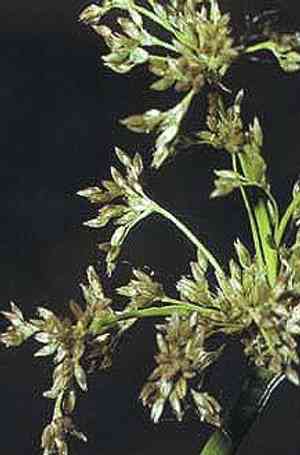
Needlegrass rush (Juncus roemerianus)
Also known as: Black Needlerush
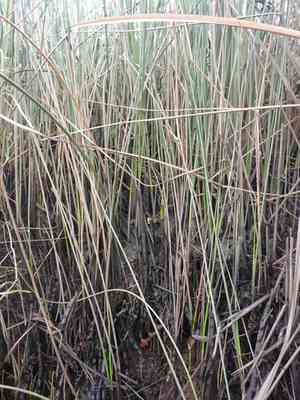
This perennial plant forms dense tufts with rough, rigid stems and gray-green foliage. At first glance, it may seem leafless, but the pointed structures are actually tightly rolled, stiff leaves forming cylindrical shapes. The true stems are capped with inflorescences. It grows from a rhizome and exhibits variability in its appearance.
In This Article
Attributes of Needlegrass rush
Lifespan
Perennial
Plant Type
Grass
Plant Height
30 cm to 1.8 m
Spread
N/A, typically grows in clumps rather than having a defined crown
Leaf Color
Dark green to black
Flower Size
Small, inconspicuous flowers typically less than 0.5 inches
Flower Color
Greenish-brown
Images of Needlegrass rush
Quickly Identify Needlegrass rush
1
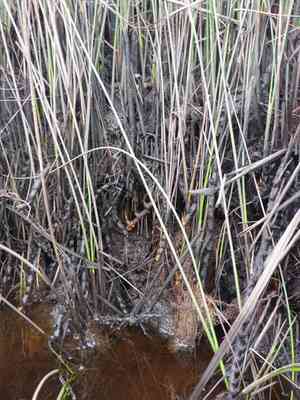
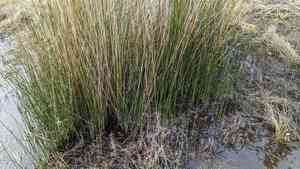
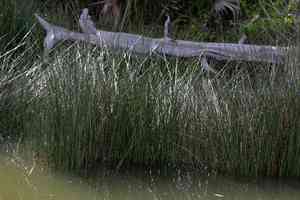
Identifiable by its dark, needle-like leaves which are stiff and up to 3 feet tall. The plant grows in dense, upright clumps and often forms extensive stands in salt marshes.
Scientific Classification of Needlegrass rush
Phylum
Vascular plants
Class
Monocotyledons
Order
Poales
Family
Rush
Genus
Rushes
Species
Needlegrass rush
Planting and Growing of Needlegrass rush
Care Difficulty
Easy
Watering Schedule
Every 4 days
Sunlight Requirements
Full sun
Sunshine Duration
6-10 hours
Ideal Temperature
55-75℉
Soil Type
Potting Mix, Peat Mix
Soil pH
6.5-7.5
Fertilizer Type
Balanced
Pruning Season
Spring, Summer
Pruning Area
Branches, Leaves
Pruning Frequency
Once a year
Repotting Season
Spring
Pot Type
Plastic, Ceramic
 How to Water Needlegrass rush?
When watering Juncus roemerianus, aim to soak the soil thoroughly but not excessively, allowing ample drainage to prevent waterlogging. A 250 ml dosage is ideal, ensuring moisture reaches the roots without pooling.
What are the symptoms of an underwatered Needlegrass rush?
›
What should I do if my Needlegrass rush is not getting enough water?
›
What are the symptoms of an overwatered Needlegrass rush?
›
How to save an overwatered Needlegrass rush?
›
 What Are the Sunlight Requirements for Needlegrass rush?
For Juncus roemerianus, full to partial sun exposure is suitable, as it promotes optimal growth. This level of sunlight supports its aesthetic form and ecological function within its native ecosystem.
Optimal Sun Exposure
›
Light Management Solutions
›
Benefits of Ideal Lighting
›
 What Is the Ideal Temperature Range for Needlegrass rush?
The ideal temperature range for Juncus roemerianus lies between 55°F and 75°F. Within this range, the plant can maintain optimal growth and vitality, as it resembles its natural habitat conditions. Maintaining temperatures in this range ensures proper photosynthesis, metabolic function, and stress reduction. Additionally, these temperatures facilitate the uptake of nutrients and water, crucial for the plant's healthy development.
 What Soil is Best for Needlegrass rush?
Juncus roemerianus thrives in soils that can retain moisture efficiently. This soil requirement ensures the plant remains hydrated, crucial for its healthy growth and resiliency in its native marshland environment. Nutrient-rich soils are ideal for Juncus roemerianus as they provide essential nutrients for growth. A soil rich in organic matter promotes vigorous plant development and supports overall ecological balance. While it prefers moisture, Juncus roemerianus also needs soils that can drain well to prevent waterlogging. Proper drainage averts root rot and supports robust root systems.
 How to Fertilize Needlegrass rush?
Juncus roemerianus generally requires minimal fertilization. When fertilizing, apply a balanced, water-soluble fertilizer at half strength. This ensures that the plant receives necessary nutrients without overwhelming its natural growing conditions. For liquid fertilizers, dissolve them in water at a ratio of 1 teaspoon per gallon and ensure the soil is moist prior to application.
 How to Prune Needlegrass rush?
When pruning Juncus roemerianus, use sharp, clean scissors or pruning shears to make precise cuts. Begin by removing any dead or damaged leaves at the base to stimulate new growth. Focus on cutting stems just above the nodes to promote bushier development. Aim to maintain a natural, balanced shape by trimming evenly but avoid over-pruning, which can stress the plant.
 How to Propagate Needlegrass rush plant?
1
Clean the seeds thoroughly before planting to remove any inhibitors that might prevent germination. Consider soaking them overnight in warm water to improve germination rates.
2
Select mature plants for division. Gently dig around the base to expose roots and use shears to separate a healthy section with both roots and shoots intact.
3
Place the divided sections into new holes prepared in the soil. Ensure they are planted at the same depth they were originally growing, and gently firm the soil around them.
 How to Repot Needlegrass rush plant?
1
Juncus roemerianus, commonly known as black needlerush, signals its need for repotting when you notice roots curling around the edges of its pot or growing out of the drainage holes. Additionally, if the plant's growth has noticeably slowed down, it may be because it has outgrown its current pot. Typically, early spring or summer is the best time to repot, as it gives the plant plenty of time to settle into its new home before going dormant in winter.
2
When selecting a pot for your Juncus roemerianus, ensure it has sufficient drainage holes to prevent waterlogging, which this plant dislikes. The pot should be slightly larger, but not excessively so, as too much space can lead to water accumulation and root rot. Clay pots are a great choice as they allow for air circulation and moisture evaporation, which helps prevent overwatering issues common in this species.
3
For Juncus roemerianus, a well-draining sandy soil mix is ideal. This type of soil mimics the plant’s natural marshland habitat and helps prevent water stagnation. A mix containing sand, peat, and a bit of organic compost provides both adequate drainage and the necessary nutrients, promoting healthy root and plant growth. The use of such soil reduces the risk of root rot and other common issues associated with improper drainage.



