How to Propagate Canada rush?
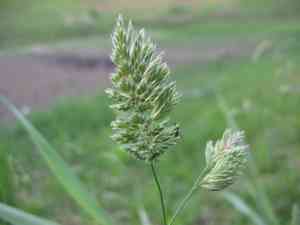
To propagate canada rush, dividing established clusters is the most effective technique. Carefully split the clumps to safeguard root structure, immediately transplanting the divisions into hydrated, adequately draining earth. Considering canada rush's affinity for humid environments, maintaining steady soil dampness will greatly improve its rooting and development. Rich, somewhat acidic soil is optimal, and applying mulch can aid in moisture retention while inhibiting weed proliferation.
Optimal Period for Canada Rush Propagation
Propagation Method
Division
Propagation Period
Spring,Autumn
Tools for Canada Rush Propagation
Garden Fork
A garden fork is crucial for carefully lifting and separating canada rush. Its strong tines can gently loosen the soil around the clumps, making it easier to divide the plant without causing excessive root damage.
Sharp Knife or Pruning Shears
A sharp knife or pruning shears are vital for cleanly cutting through the roots and stems of canada rush. Ensuring sharpness minimizes trauma to the plant, promoting quicker healing and stronger regrowth.
Watering Can with Fine Rose
A watering can with a fine rose delivers gentle watering to newly divided canada rush plants. This helps prevent soil displacement and reduces stress on the new divisions during their initial establishment.
Containers or Pots
Containers or pots are essential for holding the divided sections of canada rush until they are ready for transplanting. This offers a controlled environment to ensure root development before planting them in the garden.
Rooting hormone (optional)
While not always required, rooting hormone can be beneficial in stimulating root growth on divided sections of canada rush. Applying it to cut surfaces can enhance the chances of successful establishment.
Organic Compost or Potting Mix
Utilizing a high-quality organic compost or potting mix provides the necessary nutrients and ideal soil structure for the newly divided sections of canada rush to develop strong roots and overall growth.
How to Propagate Canada Rush?
Propagation Type
Easy
Caring for Newly Propagated Canada Rush
Caring for Newly Propagated Canada Rush
Post-propagation, ensure canada rush are kept in an area with adequate moisture, as they prefer consistently wet or damp conditions. Apply mulch around the plant bases to retain soil moisture and suppress weed growth. Regularly inspect plants for signs of stress or pests, and water as needed to maintain a consistently moist environment. Additionally, aim for partial to full sunlight, as canada rush thrive in such light. Avoid fertilizing immediately after propagation; wait until new growth appears before applying a balanced fertilizer sparingly.
Common Errors to Avoid When Propagating Canada Rush
Overwatering
Excessive moisture can lead to root rot and other fungal diseases, hindering healthy root development and overall plant vigor.
Poor Soil Choice
Using soil that lacks proper drainage can suffocate roots, preventing essential oxygen exchange and resulting in poor growth.
Incorrect Lighting
Providing either too much direct sunlight or placing the plant in deep shade can stress canada rush, leading to weak or leggy growth.
Improper Spacing
Planting canada rush too close together can lead to competition for nutrients and space, causing stunted growth and increased susceptibility to diseases.
Neglecting Pest Control
Failing to monitor for pests can result in infestations that weaken or kill young plants.
Advice for Propagating Canada Rush
Well-Drained Soil
Utilize well-draining soil to prevent waterlogging and ensure sufficient oxygen reaches the roots.
Moderate Watering
Provide consistent moisture without overwatering, keeping the soil moist but not saturated to encourage robust root development.
Appropriate Lighting
Place canada rush in an area where it receives ample indirect light or partial sunlight to support healthy growth.
Proper Spacing
Plant canada rush with adequate spacing to allow good air circulation and reduce competition for nutrients and resources.
Regular Pest Monitoring
Regularly check for pest activity and address any issues promptly to maintain plant health.



