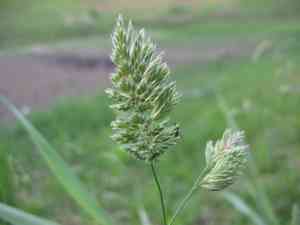
Canada rush (Juncus canadensis)
Also known as: Tailed-seed rush
Canada rush (Juncus canadensis) thrives in wetland areas, such as marshes, bogs, and edges of streams or ponds, where the soil remains moist and often acidic. This perennial plant features upright, cylindrical stems and small, inconspicuous brown flowers. It is well-suited to consistently wet conditions. The dense root system of Canada rush helps stabilize the soil, preventing erosion, and supports the wetland ecosystem by providing habitat and food for various wildlife. Additionally, it aids in filtering pollutants from the water, enhancing the health of the wetland environment.
In This Article
Attributes of Canada rush
Lifespan
Perennial
Plant Type
Grass
Plant Height
30 cm to 1.02 m
Spread
N/A (not applicable for this type of plant)
Leaf Color
Green
Flower Size
Around 1-2 mm
Flower Color
Yellow Green Red Brown
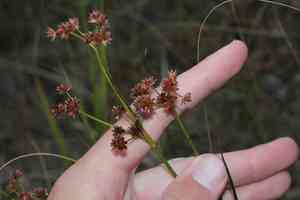
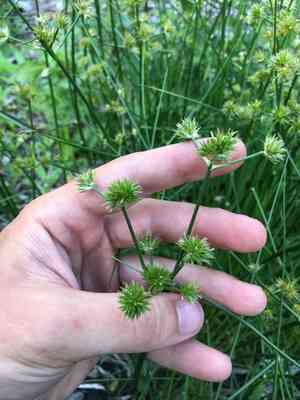
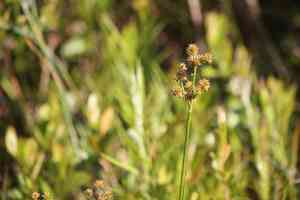
Images of Canada rush
Quickly Identify Canada rush
1
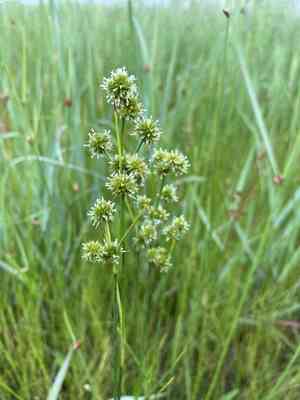
Juncus canadensis can be identified by its cylindrical, smooth stems which are usually bright green. The plant has multiple flowers which are small and clustered, with a brownish hue. It also features grass-like leaves that are long, slender, and tapering.
Scientific Classification of Canada rush
Phylum
Vascular plants
Class
Monocotyledons
Order
Poales
Family
Rush
Genus
Rushes
Species
Canada rush
Planting and Growing of Canada rush
Care Difficulty
Easy
Watering Schedule
Every 4 days
Sunlight Requirements
Full sun
Sunshine Duration
6-10 hours
Ideal Temperature
60-77℉
Soil Type
Potting Mix, Peat Mix
Soil pH
4.5-6.8
Fertilizer Type
Balanced
Pruning Season
Spring, Summer
Pruning Area
Branches, Leaves
Pruning Frequency
2 times a year
Repotting Season
Spring
Pot Type
Plastic, Ceramic
 How to Water Canada rush?
The watering amount for Juncus canadensis should be about 200 ml per session. This plant thrives in consistently moist soil, similar to its native marshy and boggy habitats. Ensure the topsoil is moist and avoid letting the soil dry out completely between waterings.
What are the symptoms of an underwatered Canada rush?
›
What should I do if my Canada rush is not getting enough water?
›
What are the symptoms of an overwatered Canada rush?
›
How to save an overwatered Canada rush?
›
 What Are the Sunlight Requirements for Canada rush?
Partial to full sunlight provides optimal conditions for Juncus canadensis. This enhances photosynthetic activity, promoting vigorous growth and healthy development.
What is the best light condition?
›
How can I achieve ideal light conditions?
›
What benefits do ideal light conditions provide?
›
 What Is the Ideal Temperature Range for Canada rush?
Juncus canadensis prefers an ideal temperature range between 60°F and 77°F. This range supports active growth and encourages healthy development, particularly in its natural wetland habitat, while minimizing stress.
 What Soil is Best for Canada rush?
Juncus canadensis thrives in soil that retains moisture well, with consistent wet conditions simulating its natural habitat. Such soil supports the plant’s water-loving roots, ensuring lush growth and robust health. This plant demands a fertile substrate, rich in organic matter to provide abundant nutrients. This nutritional richness is vital for supporting its tall, graceful rushes and ensures vigorous and continuous growth. While this plant appreciates moist soil, it still requires proper drainage to prevent root rot. Well-draining soil helps prevent water stagnation that can be detrimental to the plant's health.
 How to Fertilize Canada rush?
When fertilizing Juncus canadensis, use a balanced, water-soluble fertilizer at half-strength to avoid nutrient overload. A general guideline is to apply 5 grams per square meter for optimal growth.
 How to Prune Canada rush?
First, walk around the plant to identify any brown, dead, or damaged stems. These should be your first targets for pruning. Carefully clip away dead or damaged stems back to their base. This helps to redirect energy to healthier parts of the plant and supports new growth. If the plant appears too dense, selectively prune the smaller, weaker stems to allow more light and air to reach the inner parts, promoting overall plant vigor.
 How to Propagate Canada rush plant?
1
Start by choosing a location with moist, sandy soil for the seedbed. Juncus canadensis prefers wet conditions, so ensure the soil is well-nourished and retains water adequately.
2
Distribute the seeds evenly across the prepared seedbed or seed tray. Cover them lightly with soil, as Juncus canadensis seeds need some exposure to light for successful germination.
3
For division propagation, carefully dig up a mature clump and separate it into smaller sections. Ensure that each section has sufficient roots and shoots for successful replanting.
 How to Repot Canada rush plant?
1
Juncus canadensis signals its need for repotting when its roots start sprawling out from the drainage holes or form a tight coil within the pot. Another indicator is when water struggles to permeate the compacted soil, hindering healthy growth. Consider these signs pivotal for planning your repotting task.
2
Select a pot that is slightly larger than the current one to facilitate the new growth. Opt for containers with sufficient drainage holes to prevent waterlogging, allowing the plant to thrive without sitting in excess moisture. A slightly wider pot will encourage lateral root expansion, fostering a robust, healthy plant.
3
For Juncus canadensis, a moist yet well-draining soil mixture is ideal. This blend retains necessary moisture while preventing excess water accumulation around the roots. Such a balanced mix ensures adequate hydration and aeration, promoting vigorous and uninterrupted growth.
Learn More About Canada rush Diseases
Anthracnose
Bacterial Leaf Spot
Bacterial Soft Rot
Chemical Injury
Damping-off
Downy Mildew
Drought Stress
Fusarium Wilt
Gray Mold
Leaf Spot
Mosaic
Nutrient Deficiency
Nutrient Toxicity
Powdery Mildew
Root Rot
Root-knot Nematode
Rusts
Sooty Mold
Spider Mites
Temperature Stress
Thrips Damage
White Mold



