How to Propagate Dwarf hesperochiron?
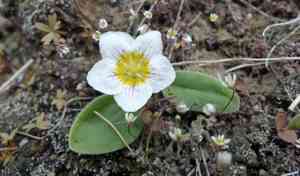
Dwarf hesperochiron flourishes when reproduced by seeding. Seeds collected with care yield the most favorable outcomes. To achieve successful development, verify that the growing medium drains effectively and is abundant in nutrients. Position the seeds in an area that gets moderate solar exposure, as excessive direct light can hinder sprouting. Consistent, light irrigation is essential, but prevent oversaturation to avert root problems.
Optimal Time for Dwarf Hesperochiron Propagation?
Propagation Method
Seeding
Propagation Period
Spring
Tools for Dwarf Hesperochiron Propagation?
Seed trays
Seed trays are vital for initiating dwarf hesperochiron from seeds. These containers facilitate uniform distribution and organization of seeds, providing ample room for each seed to sprout and develop without crowding. Their shallow depth is especially advantageous for dwarf hesperochiron, allowing easy monitoring of moisture levels and root growth.
Potting mix
A premium potting mix guarantees dwarf hesperochiron seeds have the ideal environment for germination. The blend should be light and drain well, yet capable of retaining sufficient moisture. For dwarf hesperochiron, a potting mix balancing peat moss, vermiculite, and perlite is perfect, offering necessary aeration and water retention qualities.
Misting bottle
A misting bottle is essential for gently hydrating dwarf hesperochiron seeds without disturbing them. The fine spray provides moisture without causing soil erosion or exposing the seeds, which is particularly important during the fragile initial germination phases. This tool helps maintain optimal humidity around the seeds, boosting germination rates.
How to Propagate Dwarf Hesperochiron?
Propagation Difficulty
Simple
Caring for Your Newly Propagated Dwarf Hesperochiron?
Caring for Your Newly Propagated Dwarf Hesperochiron?
Once dwarf hesperochiron seeds have sprouted, gradually introduce the young plants to outdoor conditions if they were started indoors. Keep the soil moist and well-drained, and provide partial shade, mimicking their natural understory habitat. Avoid excessive watering and check for pests or diseases. Lightly fertilize during the growing season to support robust development.
Common Errors to Avoid When Propagating Dwarf Hesperochiron
Overwatering
Excessive watering of dwarf hesperochiron can lead to root rot, as its native environment is typically drier. Too much soil moisture deprives roots of vital oxygen, causing decay and hindering the plant's ability to absorb nutrients effectively.
Deep planting
Planting dwarf hesperochiron too deeply can bury the crowns, leading to rot. This species requires a shallow planting depth to ensure its crown is slightly exposed to air, mimicking its natural growth conditions.
Neglecting cleanliness
Using uncleaned tools or containers for dwarf hesperochiron propagation can introduce pathogens, resulting in diseases. Cleanliness is vital to prevent fungal infections and ensure healthy growth.
Inadequate light
Providing insufficient light during propagation can lead to leggy growth and weak development. Dwarf hesperochiron thrives in bright, indirect light, simulating its natural partially shaded environment.
Advice for Propagating Dwarf Hesperochiron
Soil mixture
Utilize a well-draining soil blend, enriched with organic matter. Dwarf hesperochiron benefits from a mixture that imitates its native soil conditions, supporting proper root development and moisture retention without waterlogging.
Gentle handling
Dwarf hesperochiron requires delicate handling during propagation, especially when separating rhizomes or managing seedlings, to prevent damage to fragile roots and stems. This careful approach ensures better survival and growth rates.
Moderate watering
Maintain consistent, moderate watering after planting dwarf hesperochiron seeds or rhizomes. Allow the top layer of soil to dry slightly between waterings to prevent over-saturation and encourage strong root growth.
Partial shade condition
Position dwarf hesperochiron in partial shade during propagation. This species is adapted to environments with filtered sunlight, which promotes healthy foliage without the risk of sunburn or excessive drying.



