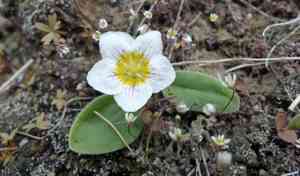
Dwarf hesperochiron (Hesperochiron pumilus)
Also known as: Dwarf hesperochiron, Lowland hesperochiron
Hesperochiron is a small genus in the waterleaf family, comprising two species native to western North America. These perennial herbs have thick roots and form low, ground-level patches. They produce bluish-white flowers with yellow centers and thrive in moist environments like seepy meadows and wet areas.
In This Article
Attributes of Dwarf hesperochiron
Lifespan
Perennial
Plant Type
Herb
Plant Height
2.5 cm to 10 cm
Spread
Not applicable (Herbaceous plant)
Leaf Color
Green
Flower Size
1-2 cm
Flower Color
White to light blue
Images of Dwarf hesperochiron
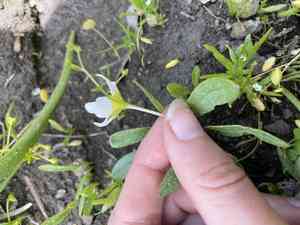
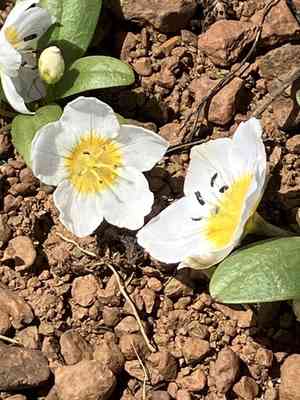
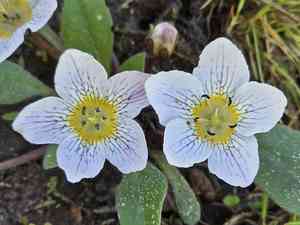
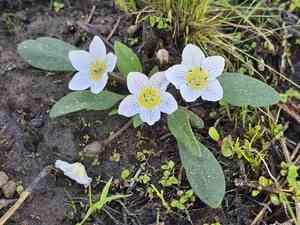
Quickly Identify Dwarf hesperochiron
1
Hesperochiron pumilus can be identified by its low-growing rosette of basal leaves and its small white to light blue flowers that have a trumpet shape. The leaves are lance-shaped and the flowers have five lobes.
Scientific Classification of Dwarf hesperochiron
Phylum
Vascular plants
Class
Dicotyledons
Order
Boraginales
Family
Waterleaf
Genus
Hesperochiron
Species
Dwarf hesperochiron
Planting and Growing of Dwarf hesperochiron
Care Difficulty
Easy
Watering Schedule
Every 3 days
Sunlight Requirements
Partial sun
Sunshine Duration
10-12 hours
Ideal Temperature
60-75℉
Soil Type
Potting Mix, Peat Mix
Soil pH
6.5-7.5
Fertilizer Type
Balanced
Pruning Season
Spring, Summer
Pruning Area
Branches, Leaves
Pruning Frequency
2 times a year
Repotting Season
Spring
Pot Type
Plastic, Terracotta
 How to Water Dwarf hesperochiron?
When watering Hesperochiron pumilus, aim to moisten the soil with approximately 100 ml of water per session. This amount ensures that the soil is adequately hydrated without being oversaturated. The key is to maintain a consistent but moderate moisture level, allowing the soil to dry slightly between waterings to prevent root rot.
What are the symptoms of an underwatered Dwarf hesperochiron?
›
What should I do if my Dwarf hesperochiron is not getting enough water?
›
What are the symptoms of an overwatered Dwarf hesperochiron?
›
How to save an overwatered Dwarf hesperochiron?
›
 What Are the Sunlight Requirements for Dwarf hesperochiron?
Partial sun provides an ideal condition for Hesperochiron pumilus, encouraging optimal growth and flowering. This ensures balanced exposure without overwhelming the plant.
Where should I place my Hesperochiron pumilus?
›
How do I ensure enough light during winters?
›
What signs indicate ideal light is achieved?
›
 What Is the Ideal Temperature Range for Dwarf hesperochiron?
For successful Hesperochiron pumilus cultivation, an ideal temperature range of 60°F to 75°F is crucial. These temperatures support optimal metabolic functions, ensuring healthy growth and flowering. Growth may slow or stop beyond this range, and stress symptoms could appear.
 What Soil is Best for Dwarf hesperochiron?
Hesperochiron pumilus thrives in well-draining soil, as it prevents waterlogging which can lead to root rot. This soil type ensures that excess water rapidly moves away from the roots, keeping them healthy and promoting optimal growth. This plant benefits from soil with moderate nutrient content, providing essential minerals without overwhelming the root system. Balanced nutrients support steady growth and robust foliage, enhancing the plant's overall health and resilience. A mix of sand and silt creates an ideal texture balance, allowing roots to penetrate easily while retaining just enough moisture. This facilitates efficient root expansion and nutrient uptake, vital for the plant's development and flowering.
 How to Fertilize Dwarf hesperochiron?
When fertilizing Hesperochiron pumilus, it's important to use a balanced approach. For liquid fertilizers, dilute to half the recommended strength to avoid root burn. Use about 5-10 ml of the diluted solution per plant. For slow-release fertilizers, a small handful, approximately 20-30 grams per plant, is sufficient.
 How to Prune Dwarf hesperochiron?
Start pruning in early spring just before new growth begins. Trim back any dead or weak stems to the base and shape the plant by removing any crossing branches. Prune selectively to create an open structure that improves air circulation around the plant. This helps reduce the likelihood of fungal infections.
More About Pruning Techniques→
 How to Propagate Dwarf hesperochiron plant?
1
Begin by collecting seeds from mature Hesperochiron pumilus plants. Clean them well and store in a cool, dry place until sowing. Before planting, soak seeds in water for 24 hours to encourage germination.
2
Fill a seed tray with a well-draining compost mix. Sow the seeds on the surface and lightly cover them with a thin layer of soil. Mist with water to keep the soil moist but not saturated.
3
For division propagation, gently dig up a mature plant in early spring. Use a sharp, clean knife to divide the root clump into several sections, each with roots and shoots. Replant each section immediately.
 How to Repot Dwarf hesperochiron plant?
1
Hesperochiron pumilus signals the need for repotting when the roots become visible at the surface or protrude through drainage holes. Additionally, slow growth and reduced flowering indicate the plant has outgrown its current container, making it time to introduce a new home.
2
Select a pot that is 1-2 inches larger in diameter than the current container. This allows adequate space for root expansion and prevents waterlogging. A pot with drainage holes is essential for preventing root rot, as Hesperochiron pumilus thrives in well-drained conditions.
3
Opt for a well-draining sandy soil mix, ensuring that it mimics the plant's natural habitat. This type of soil reduces the risk of root rot by allowing excess water to escape quickly, maintaining the delicate balance between moisture retention and proper aeration.



