How to Propagate White-plumed Grevillea?
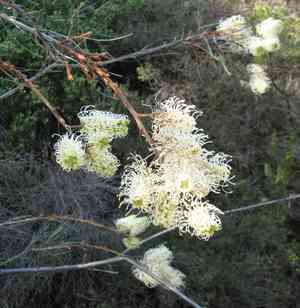
Grevillea robusta, a prominent species within the Proteaceae family, is celebrated for its distinctive white, plume-like blossoms. To propagate, utilize semi-hardwood sections harvested from robust specimens, making certain each possesses a minimum of one foliar node. Immerse these sections in a rooting stimulant to improve the likelihood of successful establishment. Insert them into a porous, sandy substrate and sustain a humid environment. Provide consistent misting, avoiding excessive saturation. Perseverance is crucial, as the formation of roots can require multiple weeks.
Optimal Period for Propagating White-plumed Grevillea
Propagation Method
Cutting
Propagation Period
Spring,Summer
Tools Required for White-plumed Grevillea Propagation
Sharp Pruning Shears
Crucial for obtaining clean sections from the parent plant. Minimizes harm to white-plumed Grevillea, encouraging faster root growth and lowering infection risk.
Rooting Hormone
Facilitates successful root development in white-plumed Grevillea cuttings. Typically applied to the severed end to stimulate root formation and enhance propagation success rates.
Planting Trays or Pots
Utilized to hold the cuttings during the rooting phase. Ensures white-plumed Grevillea cuttings are kept in a controlled setting where they can develop roots without competition from other plants.
Sterile Growing Medium
A soilless substrate like perlite, vermiculite, or a combination. Offers a disease-free environment that encourages root growth for white-plumed Grevillea cuttings.
Mist Sprayer
Maintains high humidity levels around white-plumed Grevillea cuttings, vital for preventing dehydration and promoting root development.
Heating Mat
Helps maintain a consistent warm temperature, accelerating root growth for white-plumed Grevillea, especially in cooler climates.
Clear Plastic Dome or Bag
Creates a miniature greenhouse effect, preserving humidity and warmth, essential for the delicate cuttings of white-plumed Grevillea.
How to Propagate White-plumed Grevillea?
Propagation Difficulty
Moderately Difficult
Caring for Your Newly Propagated White-plumed Grevillea
Caring for Your Newly Propagated White-plumed Grevillea?
Once roots are established, gradually introduce white-plumed Grevillea to outdoor conditions by progressively exposing them to direct sunlight. Maintain consistent watering, but allow the soil to dry slightly between irrigation. Fertilize with a low-phosphorus product, as white-plumed Grevillea is sensitive to high phosphorus levels. Ensure proper drainage to prevent root rot and monitor for pests and diseases, treating as needed.
Common Errors to Avoid When Propagating White-plumed Grevillea
Overwatering
Excessive moisture can lead to root rot, which is particularly harmful to white-plumed Grevillea that prefers well-drained soil.
Using Poor-Quality Soil
Inadequate soil drainage can suffocate roots, leading to plant stress and eventual demise.
Improper Lighting
Insufficient light can impede growth since white-plumed Grevillea requires full sunlight to flourish.
Incorrect Cutting Technique
Improper cuts can reduce the chances of successful rooting and lead to decay on the parent plant.
Neglecting Temperature Needs
Exposure to unsuitable temperatures can stress the plant and hinder rooting.
Advice for Propagating White-plumed Grevillea
Provide Well-Draining Soil
Ensure the soil mixture is sandy or gritty to prevent waterlogging and encourage healthy root development.
Moderate Watering
Water sparingly and allow the soil to dry out between waterings to mimic the natural habitat of white-plumed Grevillea.
Ensure Full Sunlight
Place the plant in a location where it receives at least 6-8 hours of direct sunlight daily.
Use Sterile Tools for Cuttings
Use clean, sharp tools to take cuttings and prevent disease transmission.
Maintain Optimal Temperature
Keep the growing environment warm but not excessively hot, ideally around 20-25°C (68-77°F).



