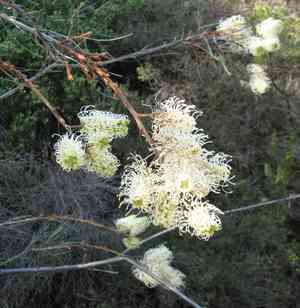
White-plumed Grevillea (Grevillea leucopteris)
Also known as: White Plume Grevillea
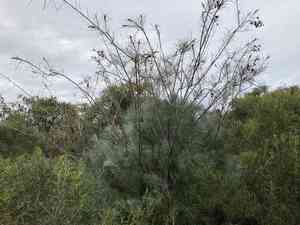
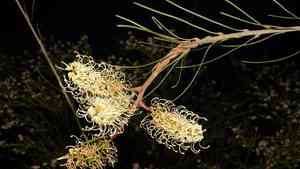
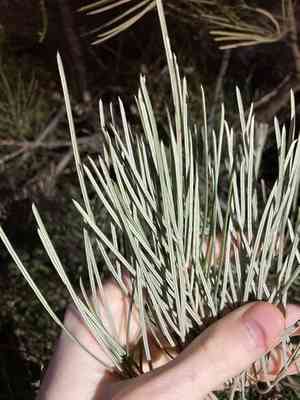
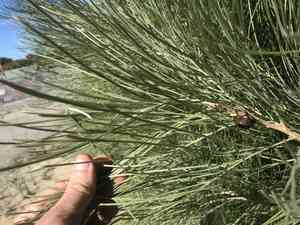
The White-plumed Grevillea (Grevillea leucopteris) is a notable shrub endemic to Western Australia. Recognized for its unique, downy white foliage, it adds a visual softness to the landscape. Its creamy-white flowers emit a fragrance at night, attracting nocturnal pollinators, which is an adaptation suited to its arid, open environment. Additionally, its red fruits are a vital food source for local bird species, underscoring its role as a key element in supporting the region's biodiversity.
In This Article
Attributes of White-plumed Grevillea
Lifespan
Perennial
Plant Type
Shrub
Plant Height
Up to 4 meters
Spread
Up to 3 meters
Leaf Color
Green
Flower Size
Up to 10 cm
Flower Color
White
Images of White-plumed Grevillea
Quickly Identify White-plumed Grevillea
1
Look for an upright shrub with deeply divided leaves and prominent white flower clusters blooming from late winter to spring. The flowers emit a distinct spicy fragrance.
Scientific Classification of White-plumed Grevillea
Phylum
Vascular plants
Class
Dicotyledons
Order
Proteales
Family
Protea
Genus
Spider Flowers
Species
White-plumed Grevillea
Planting and Growing of White-plumed Grevillea
Care Difficulty
Moderate
Watering Schedule
Every 2 days
Sunlight Requirements
Full sun
Sunshine Duration
10-12 hours
Ideal Temperature
68-77℉
Soil Type
Potting Mix, Peat Mix
Soil pH
6.5-7.5
Fertilizer Type
Balanced
Pruning Season
Spring, Summer
Pruning Area
Branches, Leaves
Pruning Frequency
2 times a year
Repotting Season
Spring
Pot Type
Plastic, Ceramic
 How to Water White-plumed Grevillea?
Grevillea leucopteris prefers moderate watering, approximately 500ml per session. Ensure that the soil is well-drained before the next watering to prevent waterlogging. The soil should be moist but not soggy, mimicking its natural environment.
What are the symptoms of an underwatered White-plumed Grevillea?
›
What should I do if my White-plumed Grevillea is not getting enough water?
›
What are the symptoms of an overwatered White-plumed Grevillea?
›
How to save an overwatered White-plumed Grevillea?
›
 What Are the Sunlight Requirements for White-plumed Grevillea?
Grevillea leucopteris thrives in full sun exposure, fostering healthy growth and robust flowering. Ideal sunlight conditions ensure the plant's energy demands are fully met, promoting vitality and resilience.
What is the ideal sun exposure for Grevillea leucopteris?
›
How can I ensure my Grevillea leucopteris receives optimal sunlight if planted indoors?
›
What are the benefits of optimizing sunlight exposure for Grevillea leucopteris?
›
 What Is the Ideal Temperature Range for White-plumed Grevillea?
The ideal temperature range for Grevillea leucopteris, also known as the White Plume Grevillea, is between 68°F and 77°F. This range provides the optimal conditions for growth and flowering, ensuring that the plant remains healthy and vibrant. Maintaining temperatures within this range helps in preventing stress that could affect the plant's physiological processes.
 What Soil is Best for White-plumed Grevillea?
Grevillea leucopteris thrives in well-drained soil that allows excess water to escape quickly, preventing root rot. This trait is particularly beneficial in avoiding waterlogging, which can severely affect the plant's health. While not overly demanding, Grevillea leucopteris benefits from nutrient-rich soil. A good balance of organic material can promote healthier growth and bolster its natural defenses against pest infestations. The soil should retain some moisture without becoming soggy. By maintaining moderate moisture levels, the plant can absorb necessary water and nutrients efficiently, promoting robust growth.
 How to Fertilize White-plumed Grevillea?
Grevillea leucopteris prefers modest fertilization. Liquid fertilizers should be diluted to half their recommended strength before application. Use approximately 250 ml of diluted liquid fertilizer for each plant. For slow-release fertilizers, around 50 grams should be sufficient per application.
 How to Prune White-plumed Grevillea?
Start by assessing the plant's overall shape and decide the form you aim to maintain. Use clean, sharp pruning shears to remove any dead, diseased, or damaged branches. Trim the stem tips to encourage denser growth and more flowers. Remember to step back and view the plant regularly to ensure balanced pruning. In late spring, thinning out crowded interior branches can improve air circulation and light penetration. Identify the natural growth habit of Grevillea leucopteris and aim to enhance its structure. Begin by cutting back the long shoots to maintain a tidy, compact form. If the plant has a tendency to trail, gently trim the trailing ends to prevent them from becoming leggy. Regular pruning helps the plant sustain a uniform and aesthetically pleasing appearance.
More About Pruning Techniques→
 How to Propagate White-plumed Grevillea plant?
1
Gather Grevillea leucopteris seeds from mature pods in the late spring. Ensure seeds are fully developed and dry them in a well-ventilated area before planting.
2
Select semi-hardwood cuttings approximately 10-15 cm in length. Remove the lower leaves, leaving a few at the top, and treat the cuttings with rooting hormone before planting.
3
Sow seeds in seed trays or plant cuttings in a well-draining mix. Water lightly to keep the medium moist, but avoid waterlogging to prevent root rot.
 How to Repot White-plumed Grevillea plant?
1
Repotting your Grevillea leucopteris should be considered when roots start emerging from the drainage holes or the plant's growth seems stunted. These signs indicate that the plant has outgrown its current pot and would benefit from fresh soil and more space.
2
Select a pot that is 2-3 inches larger in diameter than the current one to allow for root expansion. A pot with excellent drainage is crucial to prevent waterlogging, which can lead to root rot. Terracotta pots are often preferred for their breathability and natural drainage capabilities.
3
Opt for a well-draining, sandy soil mix which mimics the plant’s native habitat. This type of soil will prevent the roots from sitting in excess moisture, thereby reducing the risk of root rot and supporting healthy growth of Grevillea leucopteris.



