How to Propagate Chaparral gilia?
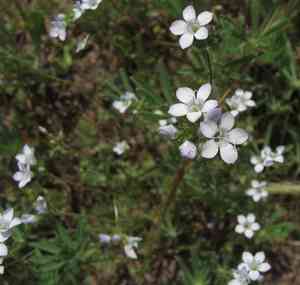
Chaparral gilia, belonging to the Polemoniaceae family, is predominantly multiplied via seeding. Begin by readying a sandy, well-draining substrate to emulate its indigenous chaparral environment. Disperse the seeds across the top and gently conceal them with a fine layer of earth. Preserve steady dampness, yet prevent saturation. Young plants sprout most effectively in settings that mirror their natural surroundings. For peak development, guarantee ample air movement and abundant solar exposure.
Optimal Time for Chaparral Gilia Propagation
Propagation Method
Seeding
Propagation Period
Spring
Tools for Chaparral Gilia Propagation
Seed Trays
Seed trays offer a controlled setting for germinating chaparral gilia's seeds. They aid in organizing seeds in rows, simplifying management and growth monitoring.
Seed Starting Mix
A seed starting mix provides a well-drained, nutrient-rich medium crucial for chaparral gilia seed germination. It prevents damping-off disease and ensures robust root development.
Mist Sprayer
A mist sprayer ensures gentle watering of chaparral gilia seedlings, maintaining moisture without dislodging seeds or compacting the soil. This is vital for young, delicate seedlings.
Grow Lights
Grow lights deliver consistent, intense illumination necessary for chaparral gilia seedlings, especially where natural light is insufficient. They encourage steady growth and prevent stretching.
Seed Heating Mat
A seed heating mat maintains an ideal soil temperature, accelerating the germination of chaparral gilia seeds. It is particularly useful in colder climates.
Plant Labels
Plant labels assist in tracking chaparral gilia seedlings by providing details on planting date and type. This helps in managing watering schedules and observing growth progress.
Small Trowel
A small trowel is utilized for transplanting chaparral gilia seedlings once they are developed enough to be moved from the seed tray. It allows for careful handling to avoid root damage.
Humidity Dome
A humidity dome maintains a high moisture environment, which is beneficial for the successful germination of chaparral gilia seeds by reducing the risk of drying out.
How to Propagate Chaparral Gilia?
Propagation Type
Simple
Caring for Your Newly Propagated Chaparral Gilia
Caring for Your Newly Propagated Chaparral Gilia
Post-transplant, ensure chaparral gilia receives ample sunlight and is planted in well-draining soil. Water regularly but allow the soil to dry between waterings to prevent root rot. Apply mulch around the base to retain moisture and suppress weeds. Monitor for pests and diseases, and promptly remove any dead or diseased foliage to maintain plant health.
Common Propagation Errors to Avoid with Chaparral Gilia
Overwatering
This can lead to root rot and fungal infections, negatively impacting the plant's health and survival.
Incorrect Soil Type
Using overly rich or poorly drained soil can impede chaparral gilia's growth, as it thrives in well-drained, sandy soils with low fertility.
Inadequate Sunlight
Insufficient sunlight can result in weak and elongated growth since chaparral gilia requires full sun exposure for optimal development.
Improper Seed Sowing Depth
Planting seeds too deep can hinder germination, while planting too shallow might expose them to predators and environmental stress.
Tips For Propagating Chaparral Gilia
Use Well-Drained Soil
Prepare a sandy or rocky soil mixture to ensure proper drainage and maintain low fertility, mimicking chaparral gilia's natural habitat.
Sow Seeds at Correct Depth
Plant seeds at a shallow depth, lightly covering them with soil to encourage successful germination while protecting from potential threats.
Provide Full Sun Exposure
Select a location with abundant sunlight, ensuring chaparral gilia receives at least 6-8 hours of direct sun daily for vigorous growth.
Water Sparingly
Water the plant moderately, allowing the soil to dry out between watering sessions to prevent overwatering and root rot.



